


Key Takeaways
- A bank statement is issued by the bank. A bank reconciliation statement is prepared by the business.
- A bank statement shows the actual money that moved in and out of an account. A bank reconciliation statement explains why that number doesn't match the business's own cash book.
- Bank statements list deposits, withdrawals, fees, and interest. Bank reconciliation statements list the timing gaps behind any mismatch, like outstanding cheques or deposits in transit.
- You need both: the bank statement is the source data, the reconciliation statement is the check that confirms the business's own records are accurate.
- Reconciliation should happen every time a new bank statement arrives, not just at month-end, to catch errors and fraud early.
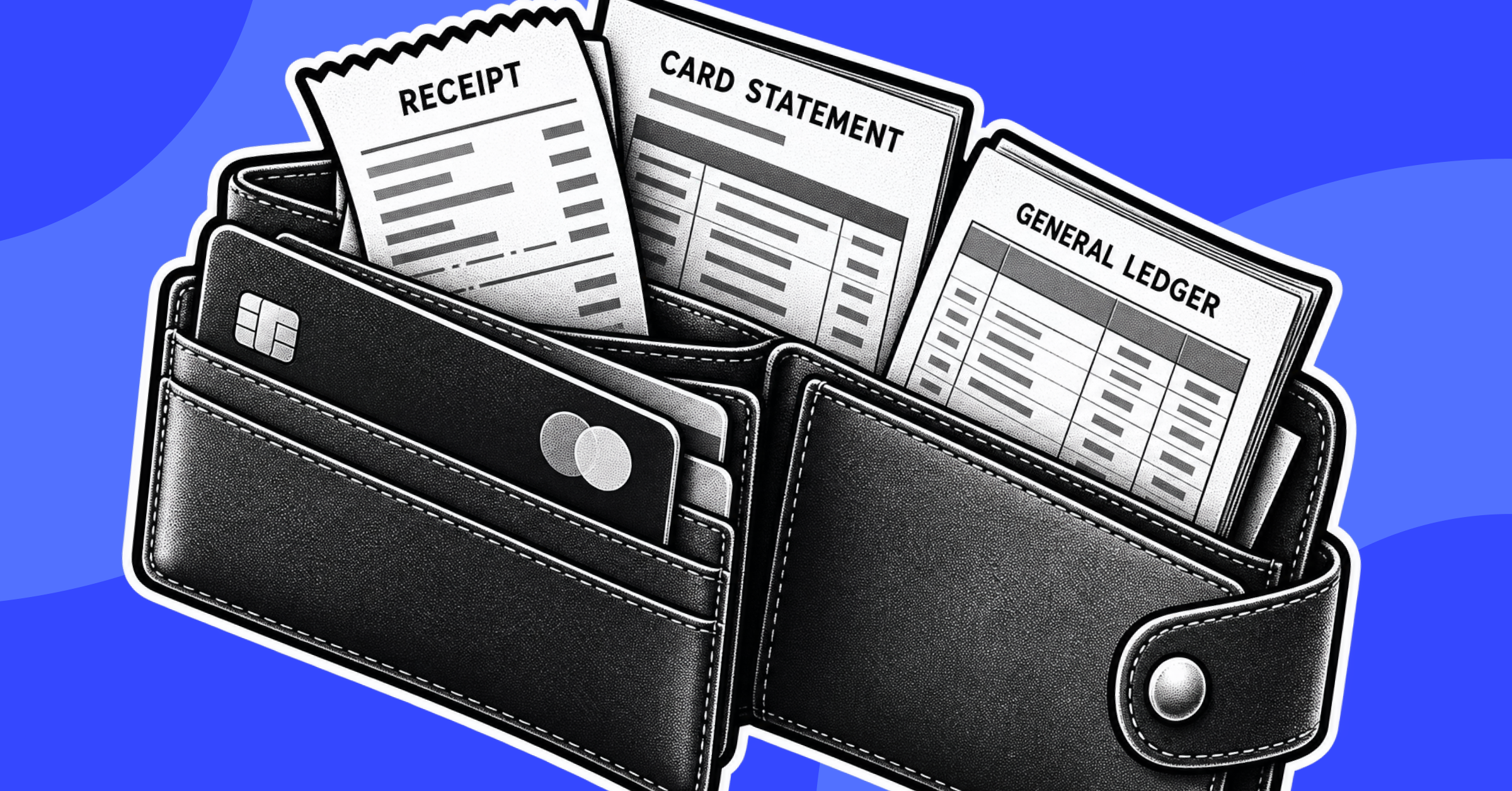
All withdrawals and deposits a customer makes are recorded twice: once by the bank, once by the customer. The bank keeps its record in a bank statement. The business keeps its own record in a cash book or general ledger, the same records that feed a broader record-to-report process. In theory, both balances should match. In practice, timing differences and errors mean they rarely do on any given day, which is where a bank reconciliation statement comes in.
What Is a Bank Statement?
A bank statement is an official record issued directly by a financial institution, listing every transaction on an account over a set period. Investopedia's definition confirms this: it is the bank's own account of activity, not something the account holder produces.
- Issued by the bank, not the account holder.
- Lists deposits, withdrawals, bank fees, and interest earned.
- Shows the bank's version of the account balance at the statement date.
- Usually delivered monthly, though most banks offer on-demand statements online.
What Is a Bank Reconciliation Statement?
A bank reconciliation statement is a document prepared internally by a business to explain why its cash book balance doesn't match the bank statement balance.
- Prepared by the business or account holder, not the bank.
- Lists timing differences: outstanding cheques, deposits in transit, bank charges not yet recorded internally.
- Starts from the two mismatched balances and works forward to a matched, adjusted balance.
- Typically prepared every time a new bank statement is received.
Bank Statement vs. Bank Reconciliation Statement: Key Differences
Who Creates It
- Bank Statement: Issued by the financial institution.
- Bank Reconciliation Statement: Prepared internally by the business or account holder.
Main Purpose
- Bank Statement: Shows the actual money that went in and out of an account over a set time.
- Bank Reconciliation Statement: Explains why the bank's balance and the business's own cash book balance don't match.
What It Contains
- Bank Statement: Deposits, withdrawals, fees, and interest.
- Bank Reconciliation Statement: Timing gaps like unpresented cheques, deposits in transit, and entries missing from either record.
How to Reconcile a Bank Statement
- 1. Gather both records: Pull the latest bank statement and the corresponding cash book or general ledger entries for the same period.
- 2. Match transactions line by line: Tick off every deposit and withdrawal that appears identically in both records.
- 3. List unmatched items: Separately note cheques issued but not yet cleared (outstanding cheques), deposits recorded internally but not yet reflected by the bank (deposits in transit), and bank-side entries like fees or interest the business hasn't recorded yet.
- 4. Adjust the cash book: Add or subtract the bank-side items (fees, interest, bank errors) so the internal balance reflects everything the bank has already processed.
- 5. Adjust the bank balance on paper: Add outstanding deposits and subtract outstanding cheques to arrive at an adjusted bank balance. This is also the point at which a business's bank reconciliation template is most useful, since it keeps the adjustment steps consistent every period.
- 6. Confirm the two adjusted balances match: If they don't, re-check for data-entry errors, duplicate entries, or a missed transaction before closing the reconciliation. Strong internal controls treat this confirmation step as mandatory before close, in line with AICPA guidance on internal controls over cash.
Worked example: a company's cash book shows a balance of $50,000, but the bank statement shows $47,500. Two cheques totaling $3,000 haven't cleared yet (outstanding cheques), and the bank has charged $500 in fees not yet recorded internally. Subtracting the $500 fee from the cash book balance ($49,500) and adding the $3,000 outstanding to the bank balance ($50,500)—in this case the numbers still need a closer line-by-line check, which is exactly the kind of gap a reconciliation is built to surface before it compounds across months. Matching volume like this at scale is where AI-native reconciliation tools, capable of fuzzy-matching millions of transaction lines per hour rather than ticking them manually, save the most time.
Conclusion
Bank reconciliation is one piece of a much larger balance sheet reconciliation process that finance teams run every close. A bank statement is a record. A bank reconciliation statement is a check. One tells you what the bank says happened; the other confirms your own books agree with it, and flags exactly where they don't. Run the reconciliation every time a new statement lands, not just at close, and small timing gaps never get the chance to become real errors.
FAQ
1. Is a bank statement the same as a bank reconciliation statement?
No. A bank statement is issued by the bank and lists transactions; a bank reconciliation statement is prepared by the business to explain any mismatch with its own records.
2. Who prepares a bank reconciliation statement?
The business or account holder prepares it, usually its accounting or finance team, not the bank.
3. How often should bank reconciliation happen?
Ideally every time a new bank statement is issued, so timing gaps and errors are caught before they carry into the next period.
4. What causes a bank statement and cash book balance to differ?
Outstanding cheques, deposits in transit, bank fees or interest not yet recorded internally, and occasional errors on either side.
5. Can a bank reconciliation statement replace a bank statement?
No. It depends on the bank statement as its source data; without the statement, there's nothing to reconcile against.