


Key Takeaways
- Accounting software manages financial transactions only. ERP manages finance plus operations, inventory, HR, and supply chain in one system.
- Accounting software records transactions after they happen. ERP updates records in real time as operations occur across departments.
- Accounting software costs less and deploys faster. ERP costs more and takes longer to implement, but scales with complexity.
- Small businesses with simple, single-department needs are usually well served by accounting software. Multi-department or multi-entity businesses usually need ERP.
- Most ERP systems still include a full accounting module, so choosing ERP doesn't mean losing accounting functionality, it means expanding beyond it.
Accounting software tracks financial transactions like income, expenses, and invoices. An ERP (Enterprise Resource Planning) system goes much further. It includes accounting as a module, but it also connects other departments like inventory, HR, sales, and manufacturing into one single platform.
Introduction
Every business, regardless of size, needs a system to record what money came in, what went out, and what's owed. Accounting software has handled that job for decades. As a company adds departments, inventory, multiple entities, or manufacturing operations, the finance system either has to expand with it or hand off to a broader platform. That broader platform is an ERP (Enterprise Resource Planning) system, and understanding where accounting software stops and ERP begins is the first decision most growing finance teams have to make.
What Is Accounting Software?
Accounting software is a system built to record, track, and report a company's financial transactions, income, expenses, invoices, and payments.
- Focuses only on finance: general ledger, accounts payable, accounts receivable, bank reconciliation, and financial reporting.
- Records transactions after a financial event happens, an invoice is entered once it's issued, not the moment inventory moves.
- Fast to deploy and lower cost, since scope is limited to the finance function.
- Fits single-entity businesses with straightforward operations, such as those running QuickBooks, Xero, or Zoho Books.
Under this Investopedia definition, accounting software's job stops at the general ledger and the reports built from it, it was never designed to run inventory, HR, or production.
What Is an ERP?
An ERP (Enterprise Resource Planning) system is a platform that connects finance with every other core business function, inventory, HR, supply chain, sales, and manufacturing, on one shared data layer.
- Includes accounting as one module among several, not the whole system.
- Updates records in real time as operations happen, since finance, inventory, and sales share the same live data.
- Takes longer to implement and costs more, reflecting the wider scope.
- Fits multi-department, multi-entity, or operationally complex businesses, such as those running SAP S/4HANA, Oracle NetSuite, or Microsoft Dynamics 365.
Gartner's definition of ERP frames it the same way: a core system of record spanning finance, HR, manufacturing, supply chain, and services, not a finance-only tool.
ERP vs. Accounting Software: Key Differences
Scope
- Accounting Software: Covers finance only, ledger, payables, receivables, and reporting.
- ERP: Covers finance plus operations, supply chain, inventory, and HR on one platform.
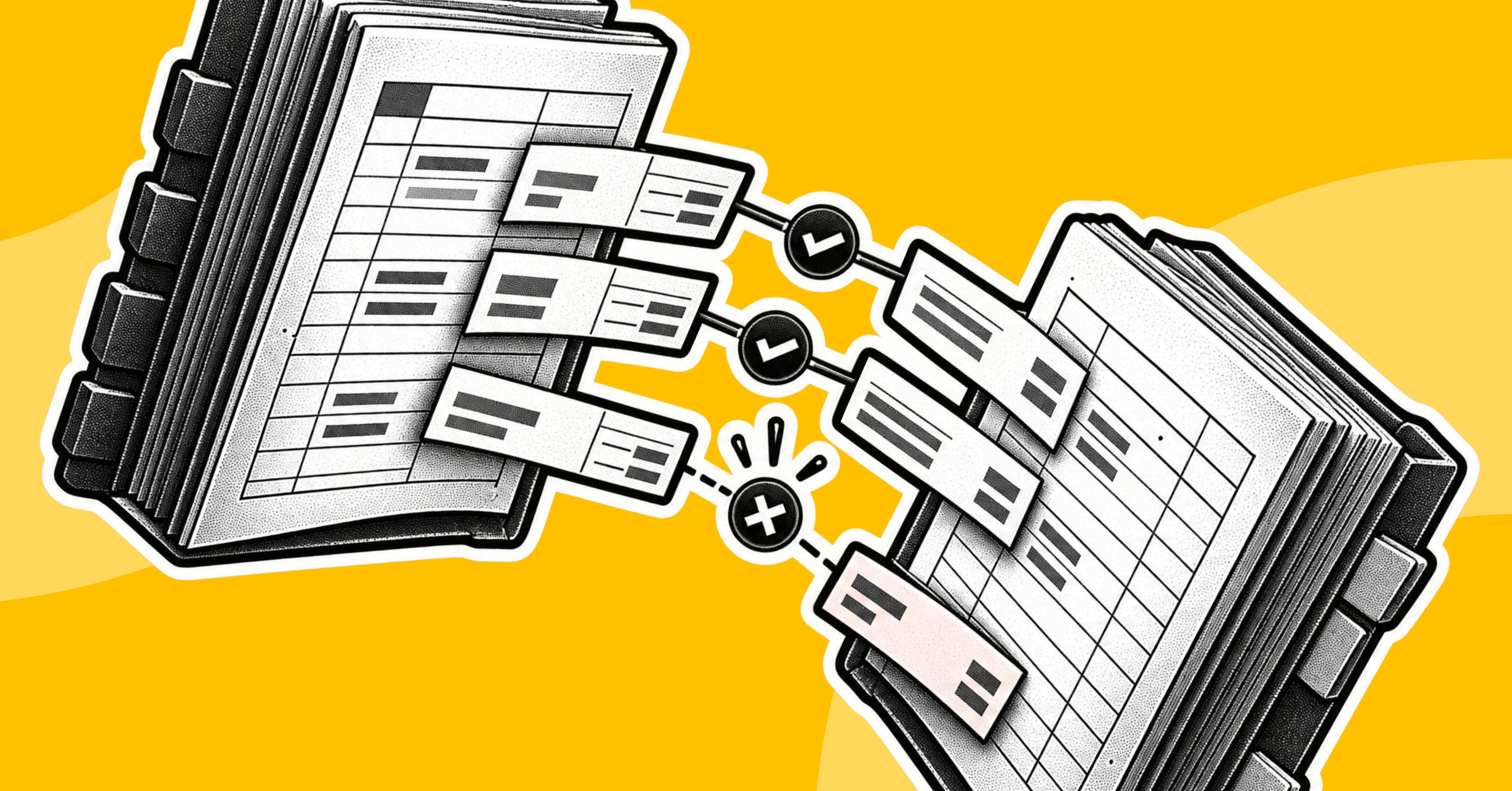
This matters most once a business runs more than one function that depends on the same numbers, an inventory count that finance also needs for cost of goods sold, for example. A gap here forces manual reconciliation between systems that should already agree, a task Bluecopa's reconciliation platform is built to automate once a business does move to a connected system.
Data Source and Automation
- Accounting Software: Records financial events after they happen, based on manual or imported entries.
- ERP: Updates financial records automatically as operations occur, since finance shares a data layer with inventory, sales, and procurement.
Real-time updates mean a growing company's month-end close doesn't wait on data from five different systems to be manually pulled and matched.
Setup and Cost
- Accounting Software: Fast to deploy, lower upfront and ongoing cost.
- ERP: Longer implementation timeline, higher licensing and configuration cost, typically justified by the operational scope it replaces.
This is the tradeoff most businesses actually weigh: pay less and move faster now, or invest more upfront to avoid a disruptive system migration in two years.
Best Fit
- Accounting Software: Small businesses with simple, single-entity operations and straightforward reporting needs.
- ERP: Larger or fast-growing companies managing multiple departments, entities, or complex inventory and manufacturing workflows.
Choosing based on today's headcount alone is a common mistake, since the switch to ERP usually happens under pressure, mid-growth, rather than on a planned timeline.
Reporting Depth
- Accounting Software: Standard financial reports: profit and loss, balance sheet, cash flow.
- ERP: Cross-functional reporting that connects financial results to operational drivers: inventory turns, production costs, departmental spend.
Finance teams that need to explain why a number moved, not just what the number is, tend to outgrow accounting-software-only reporting first.
How to Decide: Moving from Accounting Software to ERP
1. Count the systems finance is exporting from: If closing the books means pulling data from three or more disconnected tools, inventory, CRM, payroll, into spreadsheets, that manual bridge is the first sign accounting software has reached its limit.
2. Check for multi-entity or multi-currency strain: Running the same close process separately for each subsidiary, and consolidating by hand, is a workload accounting software wasn't built to absorb at scale.
3. Look at reporting requests finance can't answer directly: If leadership asks questions that need inventory, sales, or production data alongside financials, and finance has to chase other teams for it every time, that's an ERP-shaped gap.
4. Map the real cost of staying put: Add up the hours spent on manual data reconciliation and error-fixing each month. That recurring cost is what should be compared against ERP's higher upfront price, not the sticker price alone.
5. Pilot before a full switch: Most ERP vendors support phased rollouts, starting with finance and one operational module, such as procure-to-pay, rather than moving every function on day one.
Worked example: A 40-person e-commerce company on QuickBooks is manually pulling inventory counts from its warehouse system into a spreadsheet every month to calculate cost of goods sold, adding two to three days to close. That single manual bridge, repeated every month, is usually the first real signal it's time to evaluate ERP.
Conclusion
Accounting software and ERP aren't competing categories, one is usually a module inside the other. The real question isn't which is "better," it's whether a business still operates as a single finance function or has grown into multiple connected operations. A company running one entity with simple reporting needs is well served by accounting software. A company juggling inventory, multiple departments, or several entities eventually needs the wider, real-time view an ERP provides, accounting included, along with a connected record-to-report process to close the books across all of it.
FAQ
1. Is accounting software part of ERP?
Yes, most ERP systems include a full accounting module as one of several connected functions.
2. Can a small business use an ERP instead of accounting software?
Yes, but the added cost and implementation time are usually only justified once operations extend beyond simple bookkeeping.
3. What's the main difference between ERP and accounting software?
Accounting software manages finance only. ERP manages finance plus operations like inventory, HR, and supply chain on one platform.
4. Does moving to ERP mean replacing the accounting software entirely?
Usually yes, since ERP's accounting module takes over the ledger, payables, and receivables functions the old system handled.
5. Which ERP systems are most common for finance teams?
SAP S/4HANA, Oracle NetSuite, and Microsoft Dynamics 365 are among the most widely used ERP platforms with built-in accounting.