


You know the myth. Roll the rock up the hill. Watch it roll back down. Repeat for eternity. For the modern finance team, the rock is the monthly close.
Every thirty days, we summon a heroic effort. We reconcile, consolidate, and report. But the moment the books are closed, the clock resets. The rock is back at the bottom.
The Friday Night War Room
It is 8:00 PM on a Friday. The office is dark. There is stale coffee and empty pizza boxes.
You are staring at a CSV export that refuses to behave. Revenue doesn't match the bank, and you are doing manual data cleansing. It is the sinking feeling that you are overqualified for the data janitorial work you are currently doing.
Your phone rings; it's your spouse. They ask you to come home, say the kids miss you. You look wistfully at the family portrait on your desk. ‘One day, they’ll understand,’ you say to yourself. You hang up to spend more time with your one true love, finance sheets.
We accept this as the cost of doing business. But actually? It’s a warning sign.
The Great Contradiction
Why does this happen? It isn't because the team isn't working hard enough. It is a failure of architecture. We face a Great Contradiction: we have more data than ever before, yet our "Time to Insight" has never been slower. We are drowning in transactions but starving for truth.
The Reality: We force the GL to act as a data warehouse. It captures the dollar amount, but it loses the business context.
The 29-Day Blind Spot
For 29 days of the month, we rely on estimates because we don't have the truth until the books close. We wait for payment gateways and bank feeds to dump "batches" of data once a month. By the time we produce the variance report on Day 30, the damage is done.
At this point, it is less business analysis and more financial autopsy.
The goal shouldn't be to just get the rock up the hill faster. The goal is to will the rock to climb the hill on its own.
The Solution: Closing the Automation Gap
The answer is not to hire more bodies to turn the crank faster. The answer is to close the Automation Gap. Here is the architectural roadmap for the CFO who is ready to start driving strategy.
1. Eliminate the Blind Spot: Move from Batch to Continuous Flow
The Strategic Shift
We must treat finance as a flow, not a snapshot. In this architecture, every financial action—a card swipe, a refund, a vendor invoice—is captured the moment it happens.
Think of it as a "Continuous Journal" that sits upstream of your ERP.
- This gives you a Day-Zero view of your cash and revenue.
- You don’t wait for the month to end to know if you are profitable; you know it at 2:00 PM on a Tuesday.
- This turns "Rear-View Mirror" reporting into "Heads-Up" navigation.
2. Enforce Standardization: Stop Being the "Data Janitor"
The Strategic Shift
Why is the close always delayed? It is rarely a failure of accounting; it is a failure of Data Governance. Instead of cleaning messes manually, we implement Data Contracts to enforce standardization at the source.
- This is a binding agreement between data producers (Engineering) and data consumers (Finance).
- If a transaction doesn't meet the contract—say, a missing Cost Center—it is rejected instantly at the source.
- The system alerts the engineer immediately to fix it, ensuring data reaches you clean, compliant, and ready for posting.
3. Protect the Core: Decouple High Volume from the GL
The Strategic Shift
We often try to force our Core ERP to be a data warehouse, shoving millions of transactions directly into the General Ledger. The result is a bloated system where running a P&L takes 20 minutes (or longer, imagine the horror.)
Instead, use a Subledger Engine to do the heavy lifting.
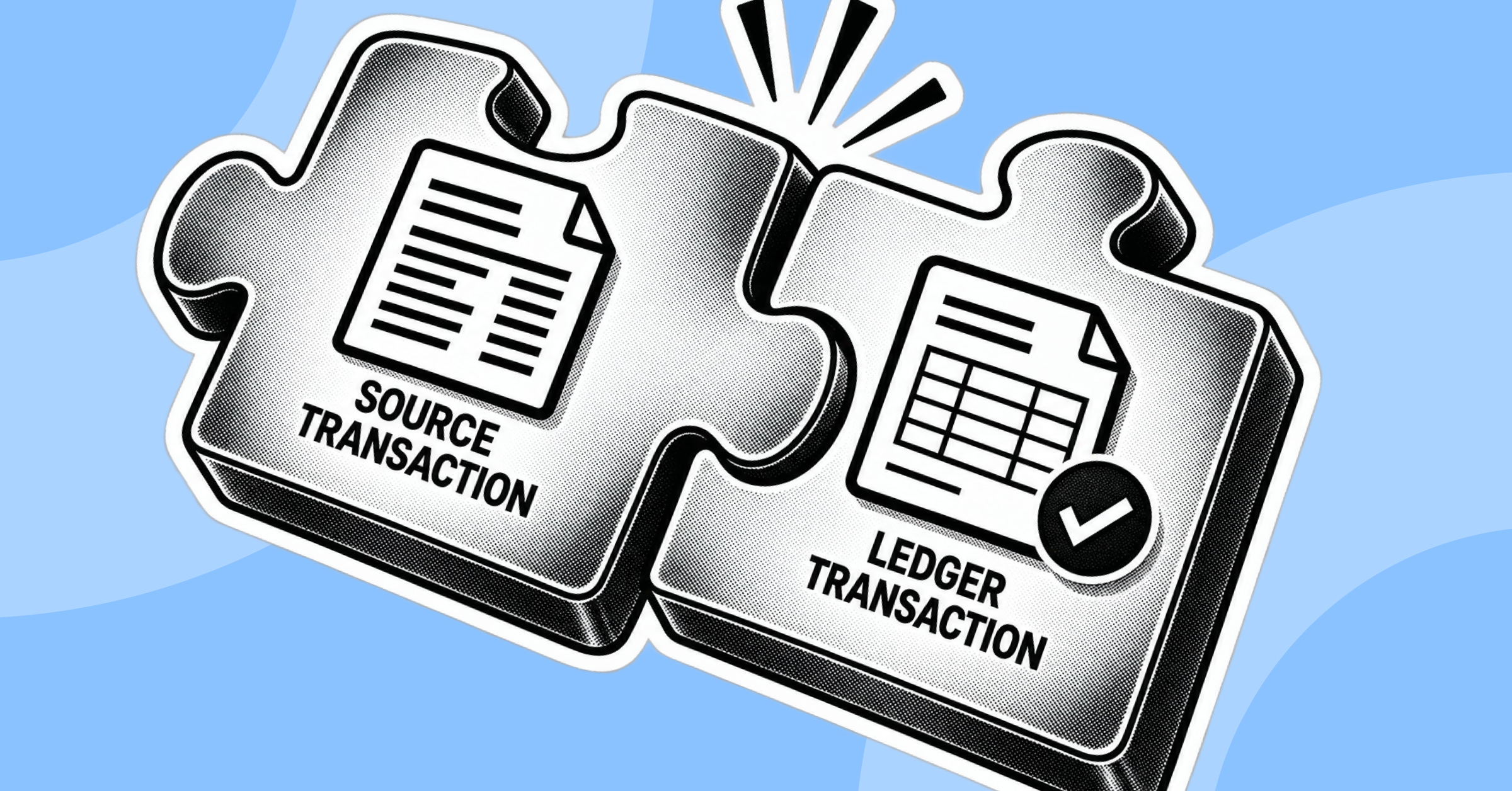
- In the Subledger: This engine ingests the high-volume firehose and creates complete, granular audit trails for every penny.
- In the ERP: It posts a clean, summarized journal entry. This preserves the agility of your Core ERP while maintaining full auditability.
4. Elevate the Role: Automate the Routine, Manage the Exception
The Strategic Shift
We must move to Management by Exception. Real control comes from automating the routine so you can focus on the risk.
- The system auto-reconciles the 99% of transactions that match perfectly.
- The remaining 1%—the true anomalies—are routed to your team via Orchestrated Approvals.
- Instead of "ticking and tying" 5,000 rows, your Controller reviews a pre-built report of the 5 items that look weird.
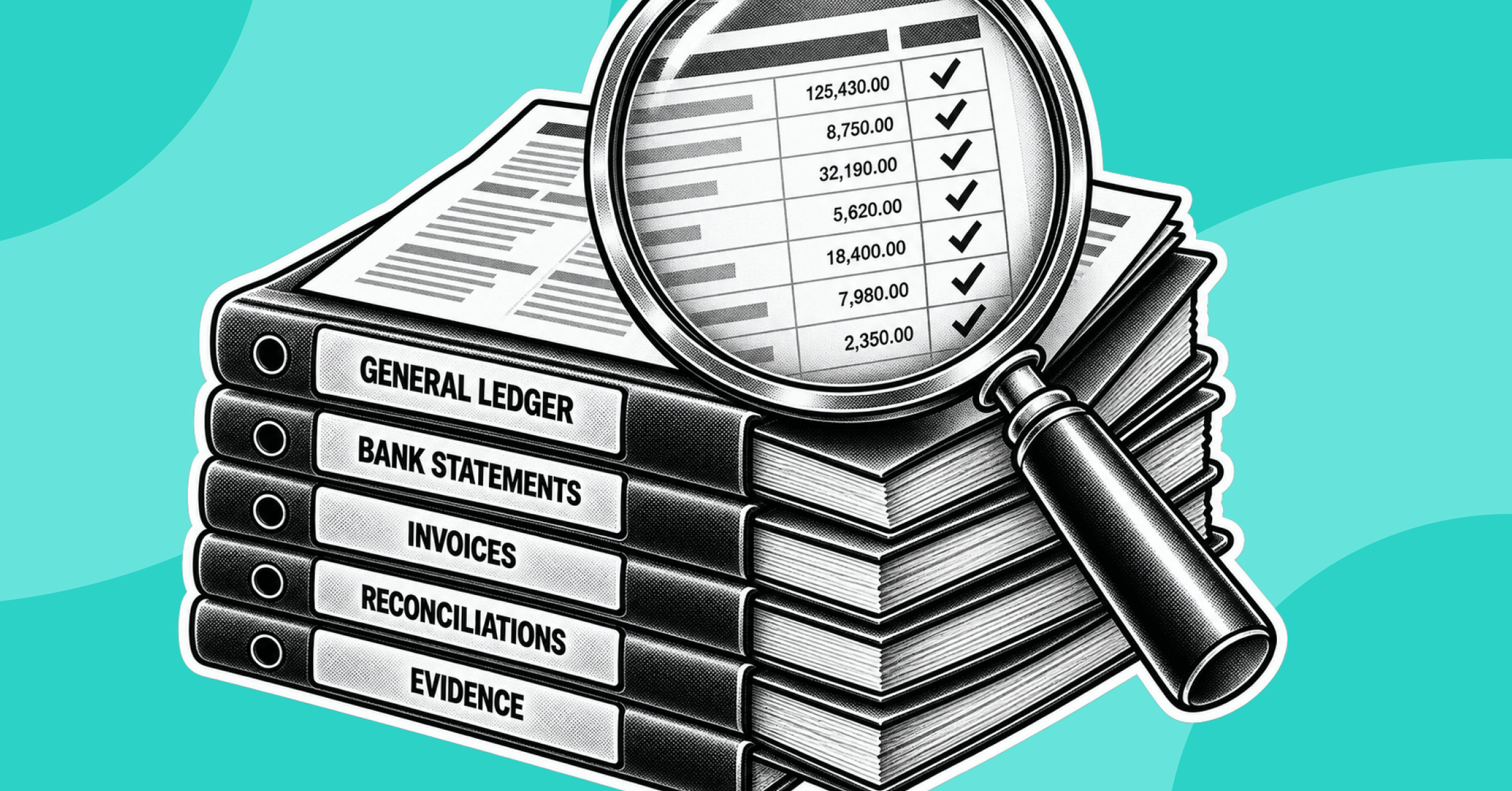
When the auditors arrive, you don’t hand them a messy Excel file; you hand them a digital, immutable chain of evidence.
Conclusion: From Scorekeeper to Business Partner
But wait, why do any of this? Because at Bluecopa, we believe Process Integrity is its own reward.
It is about giving your team their weekends back. It is about walking into a Board meeting with numbers you trust, rather than numbers you "hope" are right.
To become a true Strategic Business Partner, Finance must stop fighting fires. We must build a pipeline that puts the fire out before it starts.
Stop pushing the rock. Build the flow.