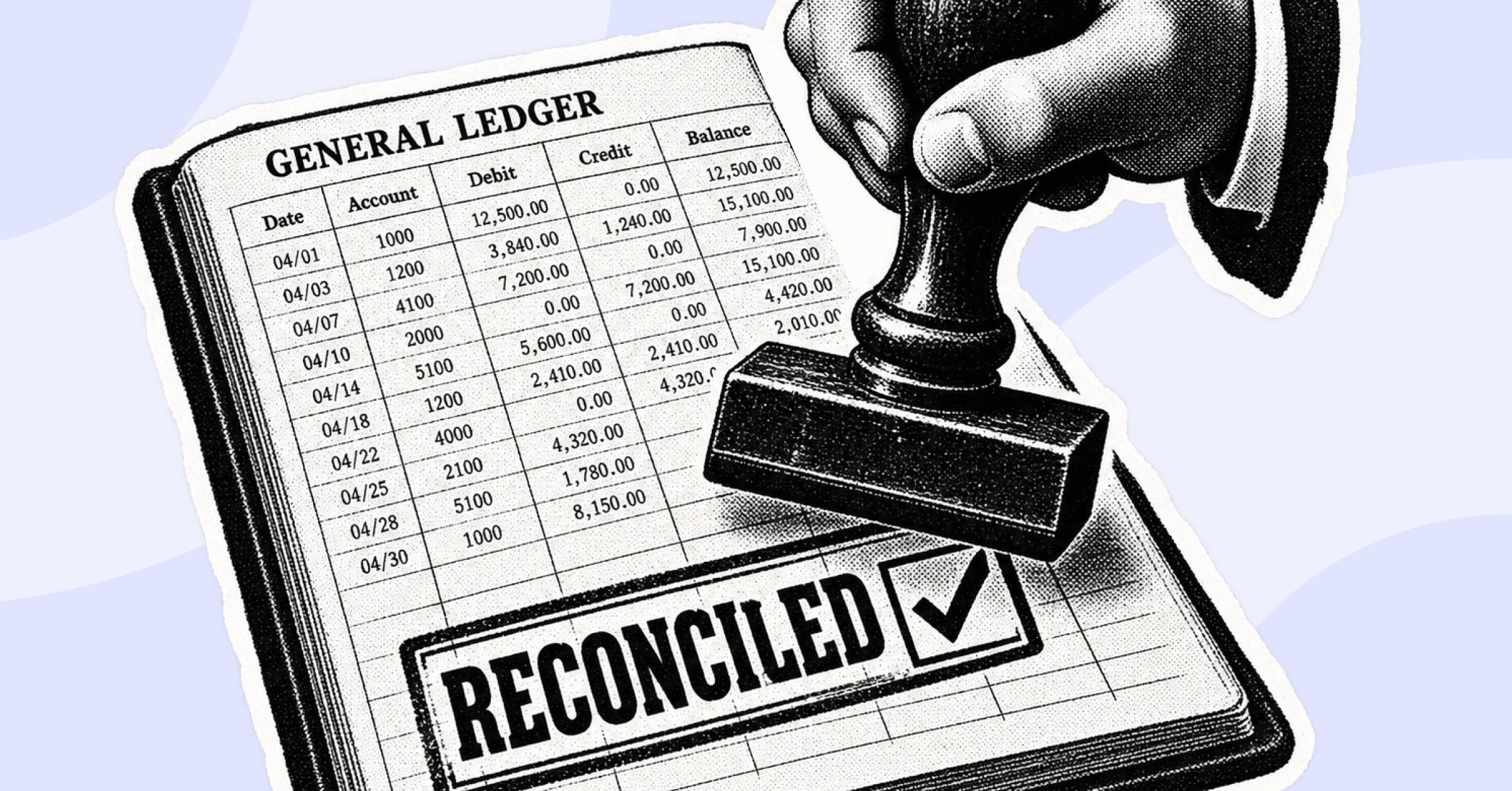



It’s 11pm on a Tuesday and the FP&A manager is on version four of the quarterly forecast model. The numbers don’t reconcile. Entity A’s revenue line is using last week’s actuals because that’s the latest extract anyone could pull. Entity B’s working capital figures came in by email at 6pm and don’t match what the ERP says. The consolidation tab is held together by INDEX-MATCH chains so long that nobody on the team really wants to touch them. Sometime around midnight, the model will land with the CFO with a footnote about “assumptions subject to validation.”
This is what FP&A spends its week on. PwC’s research puts the share of finance time consumed by manual reporting, budgeting, and forecasting at over 30%. Other studies push that closer to 60 or 70%. The numbers vary; the picture doesn’t.
The instinct in most finance organisations is to blame Excel. That instinct is wrong.
Excel is the symptom, not the disease
Excel is the only tool that can stitch together data from four ERPs, six banks, a CRM, a billing platform, and the consolidation spreadsheet someone in the regional office sent through. The problem isn’t that FP&A teams reach for Excel. The problem is that they have nothing else to reach for.
This is what people miss when they describe FP&A as stuck in spreadsheets. The team isn’t stuck. The team is solving a data fragmentation problem with the only tool available. Take Excel away and replace it with a planning tool — Cube, Pigment, Abacum, any of the modern category — and the planning gets cleaner, but the underlying problem doesn’t shift. Those tools are built to model and forecast. They are not built to reconcile transaction-level data across multiple ERPs.
The real bottleneck is upstream. By the time the FP&A team opens the model, they have already spent 60% of the week pulling extracts, validating them, mapping them to a common chart of accounts, fixing the entries that didn’t translate, and chasing the regional team about the missing supplier invoice that should have been booked in March. Whatever forecasting they do after that is the smallest part of the job.
What a real data layer actually means
When finance teams talk about a single source of truth, they usually mean a place where the numbers tie. That is necessary but insufficient. What FP&A actually needs is a continuously refreshed, reconciled, and queryable data layer that sits underneath everything — the ERPs, the banks, the operational systems, and the planning tools above it.
A few properties matter. It has to ingest natively, not via brittle CSV exports. It has to reconcile across entities, not just within one. It has to handle the messiness of real finance data — multiple charts of accounts, mid-year reclassifications, intercompany flows — without forcing the team to clean it every cycle. And it has to be queryable by finance people, not only by an engineer with a SQL editor.
When that layer exists, FP&A’s week looks different. Forecasts are built on numbers that were reconciled this morning, not three weeks ago. Variance analysis runs on actuals that match the GL by construction. The 75% of finance leaders that report significant accuracy and speed improvements after automating reporting aren’t reporting on the planning tool. They are reporting on what happens when the data underneath stops fighting them.
Where Bluecopa fits
Bluecopa Finance Data Studio is that layer. It connects to your ERPs, banks, billing systems, and operational platforms, reconciles continuously, and exposes a unified data model that FP&A can build directly on top of. It is not a planning tool. It is the foundation that makes planning tools — and Excel, for the workflows that still belong there — actually reliable.
For teams already using Cube, Pigment, or Abacum, Bluecopa sits underneath them and feeds clean, reconciled data in. For teams that don’t run a dedicated planning tool, Bluecopa often removes the need to buy one, because the data work was always the harder problem. Either way, the FP&A function gets its time back.
What changes day to day is what the team works on. Less data wrangling, more analysis. Fewer reconciliation tickets, more forward-looking scenarios. The model that used to take four versions takes one, because the underlying numbers are not in dispute. The audit defence at quarter-end takes hours rather than days, because the lineage is built into the data layer.
Automated data processing also cuts manual errors by around 50%, which is the kind of number a CFO understands instantly. The work being automated isn’t the analysis. It is the part of the job that was never meant to be done in Excel anyway.

Book a demo
See Bluecopa run on your own close
70%
Faster month-end close
95%
Reduction in manual effort
30 min · your ERP · no slide deck
Benchmark
How your close compares
Spreadsheet-run close
11 days
Point tools
7 days
Bluecopa
4 days
Calculate your close time
30 min · your ERP · no slide deck