

For most finance teams, a standard month-end close takes roughly four to nine business days. That is the direct answer, and it holds up whether you look at current search-consensus benchmarks or more rigorous industry studies. But the honest, useful answer has a second layer: the exact number depends heavily on company size, entity structure, transaction volume, and how much of the close is still manual.
This guide breaks down what "month-end close" actually includes, the benchmark data behind the four-to-nine-day range, how those benchmarks shift by company size and complexity, and what actually determines whether your close lands on the fast end or the slow end. It also covers how to measure days-to-close as a KPI and what to do to bring the number down without weakening controls.
What Counts as "Month-End Close"? (And Why Duration Varies)
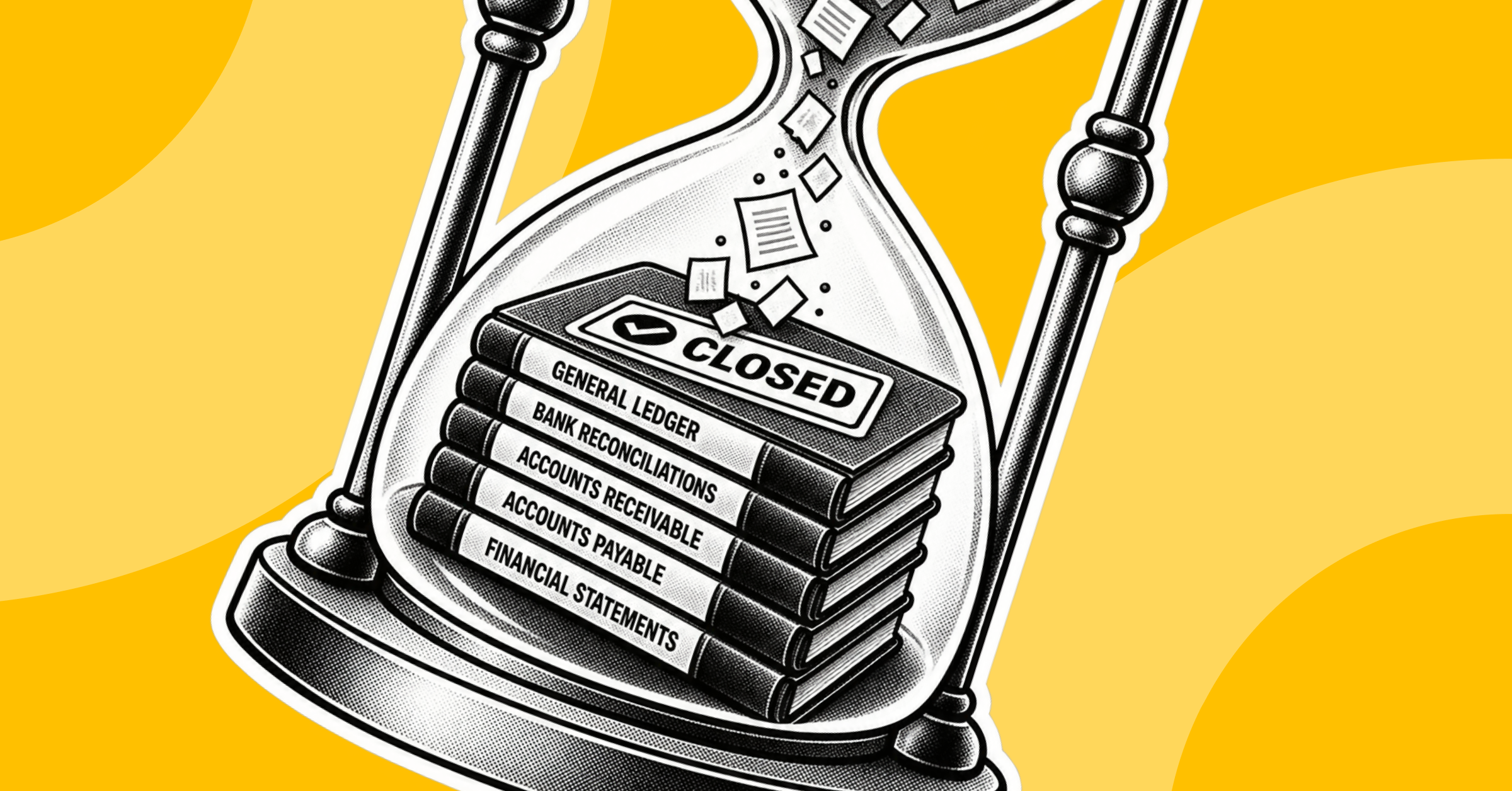
Month-end close is the set of accounting activities a finance team performs after a calendar month ends, to convert raw transactional data into finalized, reviewed financial statements. At a minimum, it typically includes:
- Recording and reviewing journal entries (accruals, prepaids, depreciation, reclassifications)
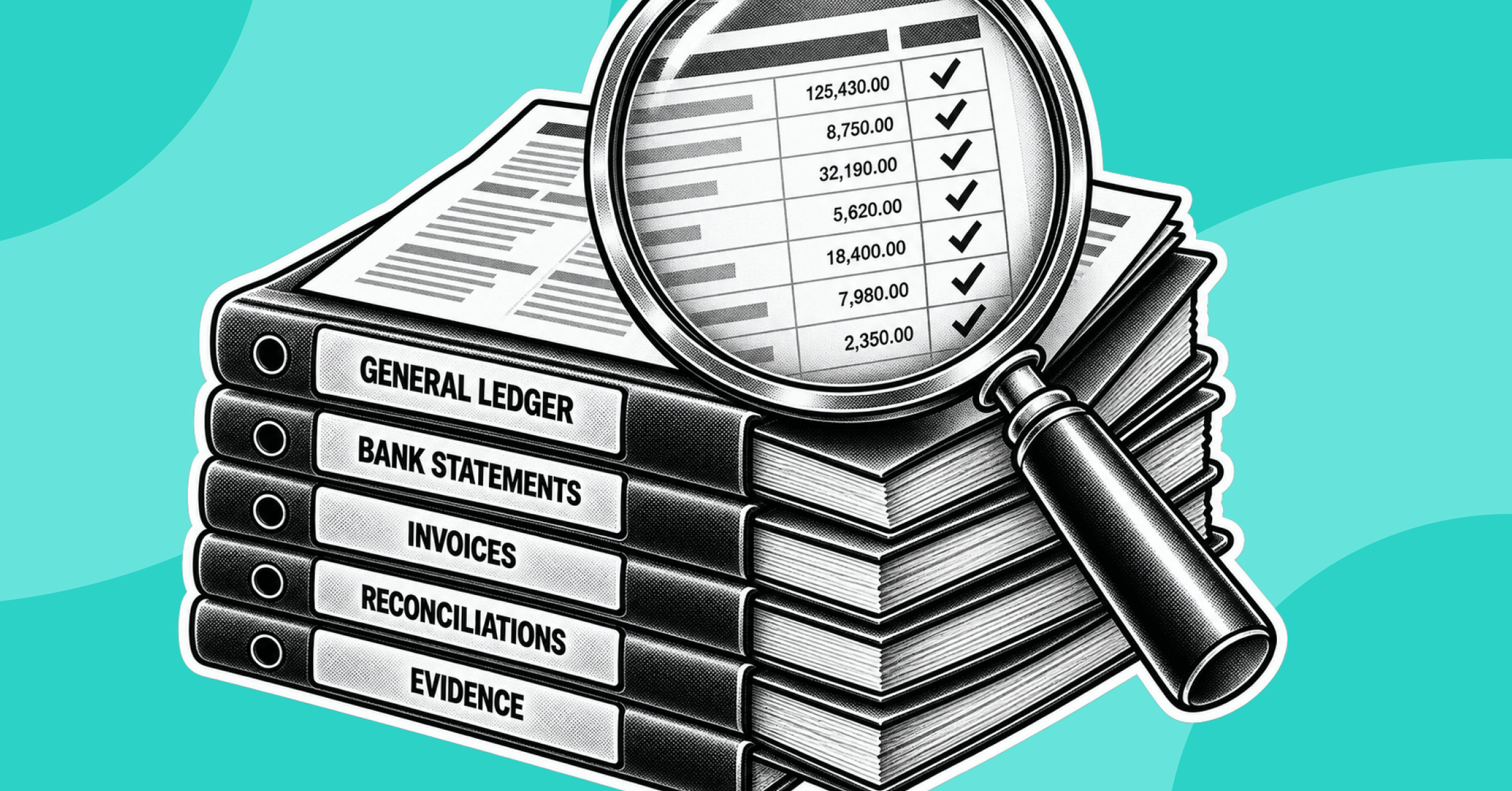
- Reconciling balance sheet accounts (bank, intercompany, AR/AP subledgers, inventory, fixed assets)
- Reviewing and correcting the trial balance
- Consolidating entities (for multi-entity organizations)
- Producing consolidated financial statements and management reports
- Management review, variance analysis, and sign-off
The reason duration varies so much between organizations is that "close" is not one task, it is a chain of dependent tasks. A delay in any single reconciliation, a missing subledger feed, or a manual consolidation step can push the entire timeline out by days. This is why close duration is treated as a KPI in its own right rather than a fixed constant: it reflects process maturity, not just company size.
How Long Does Month-End Close Take on Average?
The direct answer: roughly four to nine business days for most average finance teams, based on current benchmark breakdowns. That range typically splits into three tiers by complexity:
- Small businesses: 2 to 4 business days
- Average organizations: 4 to 9 business days
- Complex companies: 6 to 10+ business days
Vendor-published estimates (Ramp, for example) cite a similar 5-to-10-business-day range, which is useful as directional, SERP-consensus context but should be treated as vendor content rather than an independent study.
For a more rigorously sourced figure, the APQC benchmarking study of over 2,300 organizations measured close duration from trial balance to consolidated financial statements and found:
- Median close time: 6.4 calendar days
- Top-quartile performers: 4.8 days
- Bottom-quartile performers: 10+ days
Put together, these two data sets tell a consistent story. The "average" answer of four to nine business days is real, but it spans a wide gap between organizations with mature, automated close processes and those still closing manually. The APQC data gives that gap a credible shape: roughly a 4.8-day floor for top performers and a 10+ day ceiling for laggards, with the median sitting at 6.4 days.
What Are the Month-End Close Time Benchmarks by Company Size and Complexity?
Company size and structural complexity are the biggest drivers of where an organization falls in the benchmark range. Rough tiers look like this:
- Small businesses (single entity, low transaction volume): 2 to 4 business days. Fewer accounts to reconcile, no consolidation, and often a single person owning the entire close.
- Average or mid-size organizations: 4 to 9 business days. More accounts, more approvals, some multi-entity or multi-currency complexity, and a mix of manual and system-based reconciliation.
- Complex, multi-entity, or enterprise companies: 6 to 10+ business days. Multiple subsidiaries, currencies, intercompany eliminations, high transaction volume, and layered review and audit requirements.
The APQC and Ventana Research (ISG Research) data help ground the upper end of this range. Ventana/ISG has found that roughly half of companies close within six business days, down from about 70% historically, and a more recent, smaller-sample study puts that figure at 59%. That decline over time is notable: as organizations have grown more complex (more entities, more systems, more regulatory scrutiny), a larger share of companies have drifted toward the slower end of the range, even as automation has improved for the best-performing group.
For enterprise and GCC (Global Capability Center) finance teams specifically, this means the "complex" tier is the relevant benchmark, and 4.8 days (APQC top-quartile) is a more meaningful target than the generic four-to-nine-day average, since scale and entity count push most enterprises toward the higher end by default.
What Factors Determine How Long Your Close Takes?
Three categories of factors explain most of the variance between a fast close and a slow one:
- Automation level: Organizations that automate reconciliation matching, journal entry workflows, and consolidation close significantly faster than those relying on spreadsheets and manual matching. Automation removes the sequential bottleneck where one team waits on another to finish a manual step.
- Process complexity: Multi-entity structures, multi-currency translation, intercompany eliminations, and high-volume inventory accounting all add steps and approval layers. Each additional entity or currency typically adds reconciliation and consolidation work, not just data volume.
- Team size and staffing model: A close that depends on a small number of people who each own multiple critical steps is fragile: one delay cascades through the whole calendar. Shared services and GCC models can reduce this risk if the process is standardized, but can also add coordination overhead if it is not.
Data quality and system fragmentation are the underlying thread connecting all three. Disconnected ERPs, subledgers, and spreadsheets force manual reconciliation between systems, which is the single biggest reason automation-level and process-complexity factors compound each other in enterprise environments.
How to Measure and Track Days-to-Close as a KPI
Days-to-close is the standard KPI for close performance, but it needs a consistent definition to be useful over time. At minimum, define:
- Start point: typically the first business day after period-end, or the point at which the trial balance is available
- End point: when consolidated financial statements are finalized and approved, not just when the trial balance is locked
- Unit: business days, not calendar days, for comparability across months with different weekend/holiday patterns
Beyond the single top-line number, mature close functions track a close KPI dashboard that includes:
- Days-to-close trend over the last 6 to 12 months
- Number of reconciliations completed on time vs. late
- Number of manual journal entries per close (a proxy for automation gaps)
- Number of post-close adjustments (a proxy for close quality, not just speed)
Tracking days-to-close alongside a close checklist and close calendar (a day-by-day schedule of who owns what task) turns the KPI from a lagging indicator into something a controller can actually manage week to week.
What Are the Common Reasons Month-End Close Takes Longer Than It Should?
Most close delays trace back to a small set of recurring causes:
- Manual, spreadsheet-based reconciliation: matching transactions by hand across bank statements, subledgers, and the general ledger is slow and error-prone, and errors themselves generate rework that extends the timeline.
- Data fragmentation across systems: when ERP, banking, AR/AP, and treasury data live in separate systems with no shared source of truth, teams spend days just assembling data before reconciliation can even begin.
- Sequential dependencies with no parallel workstreams: if consolidation cannot start until every entity finishes its local close, one slow entity delays the entire group.
- Late or incomplete subledger feeds: AR, AP, or inventory subledgers that are not finalized on time push back the entire reconciliation and consolidation chain.
- Lack of a standardized close calendar: without a documented, owned schedule, tasks get started late or discovered mid-close, adding unplanned days.
- High volume of manual journal entries and adjustments: every manual entry requires preparation, review, and approval, and volume scales directly with close duration.
How to Reduce Month-End Close Time: Process Best Practices
Before adding technology, most organizations can shave meaningful time off their close through process discipline alone:
- Build and enforce a close calendar: a documented, day-by-day schedule with named owners for each task removes ambiguity about what should happen when.
- Shift work earlier where possible ("soft close"): pre-close activities like accruals estimation, fixed asset schedules, and preliminary reconciliations can start before period-end rather than after.
- Standardize reconciliation formats and thresholds: a consistent reconciliation template and materiality threshold across entities reduces review time and rework.
- Run entity closes in parallel, not sequentially: for multi-entity organizations, decoupling local entity closes from group consolidation timing prevents one slow entity from delaying the whole group.
- Reduce the volume of manual journal entries: standardizing recurring entries (accruals, prepaids, depreciation) as templates or automated postings cuts both preparation and review time.
- Hold a structured close retrospective: reviewing what caused delays each month, and fixing the root cause rather than absorbing the delay again next period, compounds over time.
How to Reduce Month-End Close Time: Automation and Technology
Process discipline has a ceiling. Beyond a certain point, reducing close time requires automating the manual, sequential work itself:
- Automated transaction matching: rules-based and AI-assisted matching for bank, intercompany, and subledger reconciliations removes the largest single source of manual effort in most closes.
- System-to-system data integration: connecting ERP, banking, AR/AP, and treasury systems removes the manual data assembly step that often consumes the first several days of a close.
- Continuous close practices: instead of concentrating all reconciliation and review work into the days after period-end, continuous close spreads reconciliation activity across the month, so the post-period-end workload (and therefore days-to-close) shrinks.
- Automated consolidation: for multi-entity organizations, automating intercompany eliminations and currency translation removes one of the most time-consuming steps in enterprise close.
- Exception-based review workflows: when reconciliations are matched automatically, review time can focus only on genuine exceptions instead of re-checking every line, which is a large share of where reviewer time goes in a manual process.
The distinction matters: automation is not just "software instead of spreadsheets," it is a structural change in when and how work happens, moving reconciliation and review out of the post-period-end crunch and into an ongoing, continuous rhythm.
What Does a "Best-in-Class" Close Look Like for Enterprises and GCCs?
Based on the APQC and Ventana/ISG data, a best-in-class enterprise close sits close to the 4.8-day top-quartile mark, well below the 6.4-day median and far from the 10+ day bottom quartile. For multi-entity enterprises and GCC-run shared services centers, a handful of characteristics tend to separate top-quartile performers from the rest:
- Reconciliation is largely automated and continuous, not a post-period-end batch exercise
- A single close calendar and checklist is standardized across entities, even when local teams differ
- Consolidation does not wait on the slowest entity; parallel workstreams are the default
- Days-to-close, on-time reconciliation rate, and manual entry volume are tracked as ongoing KPIs, not reviewed only when the close runs late
- Review effort is concentrated on exceptions and judgment calls, not on re-verifying routine matches
For high-transaction-volume industries like BFSI, ecommerce and marketplaces, logistics, and manufacturing, hitting this tier is harder by default because transaction volume and entity count are structurally higher. That makes automation and continuous reconciliation less of an optimization and more of a prerequisite for reaching top-quartile close times at scale.
How Bluecopa Helps Enterprise Finance Teams Close Faster Without Cutting Corners on Controls
Bluecopa is an AI-native finance operations platform, powered by SamyxAI, built for enterprise finance teams and Global Capability Centers managing high transaction volumes across multiple entities. It unifies reconciliation, continuous financial close (record-to-report), Order-to-Cash, Procure-to-Pay, treasury and cash forecasting, and management reporting into a single platform, replacing the fragmented mix of spreadsheets, rule-based tools, and point solutions that typically drives close times toward the bottom-quartile end of the benchmark range.
The mechanism for moving from median or bottom-quartile close cycles toward top-quartile, sub-5-day performance is continuous reconciliation rather than a post-period-end scramble. By matching bank, intercompany, and subledger transactions on an ongoing basis throughout the month rather than concentrating that work into the days after period-end, Bluecopa shifts reconciliation effort out of the close window entirely, so the reconciliation backlog that typically extends a close is already cleared before the period even ends.
This is particularly relevant for high-transaction-volume, multi-entity environments in BFSI, ecommerce, and logistics, where transaction volume and entity count make manual reconciliation the primary bottleneck to a fast close. Bluecopa's approach keeps controls intact rather than trading them away for speed: automated matching still routes exceptions to the right reviewer, reconciliations remain fully documented and auditable, and standardized workflows across entities replace ad hoc, spreadsheet-based processes that are difficult to audit consistently. The result is a close process built to move an organization's days-to-close KPI from the median toward the top-quartile range, without sacrificing the review discipline that controls and audit requirements depend on.
FAQ
1. How many days should a month-end close take?
Most average finance teams should expect a close of roughly four to nine business days. More rigorous benchmarking (APQC) puts the median at 6.4 calendar days, with top-quartile performers closing in about 4.8 days and bottom-quartile organizations taking 10 or more days.
2. What is a good days-to-close benchmark for a large enterprise?
For complex, multi-entity enterprises, 6 to 10+ business days is typical, but top-quartile performers in this segment still close in around 4.8 to 6 days by relying on automated reconciliation and consolidation rather than manual processes.
3. Why does my company's close take longer than the benchmark?
The most common causes are manual, spreadsheet-based reconciliation, fragmented systems that require manual data assembly, sequential (rather than parallel) entity closes, and a high volume of manual journal entries. Any one of these can add several days to a close on its own.
4. What is the difference between a "fast close" and a "continuous close"?
A fast close refers to compressing the traditional post-period-end close timeline through better process and automation. A continuous close goes further, spreading reconciliation and review activity across the entire month so that only a small amount of work remains once the period ends, which is why continuous close organizations tend to land closer to the top-quartile end of the benchmark range.
5. Does company size always determine close speed?
Size correlates with complexity, but it is not the only factor. A smaller company with manual processes can close slower than a large enterprise with strong automation and a standardized close calendar. Automation level and process design matter as much as headcount or entity count.
6. How is days-to-close different from a close checklist?
A close checklist is the list of tasks and owners needed to complete a close; days-to-close is the KPI that measures how long completing that checklist actually takes. Tracking both together, alongside a close calendar, is how finance teams manage close performance rather than just reacting to it each month.