


Financial close complexity is the single biggest reason enterprise close cycles stretch past ten, fifteen, or even twenty business days instead of the five to seven days that finance leadership expects. For Controllers and R2R leads running close across multiple entities, ERPs, and currencies, complexity is not an abstract problem. It shows up as late nights reconciling spreadsheets, last-minute journal entry corrections, and a close calendar that slips a little more every quarter. This guide lays out why financial close process complexity keeps increasing, where it actually comes from, and a concrete, step-by-step framework for managing it.
What Is Financial Close Complexity, and Why Is It Increasing?
Financial close complexity refers to the accumulated difficulty of closing the books accurately and on time as an organization's structure, systems, and transaction volume grow beyond what manual, spreadsheet-driven processes can reliably handle. A close that once took a single controller and a handful of spreadsheets now involves dozens of entities, several ERPs, multiple currencies, and a distributed team across time zones.
Complexity is increasing for a few structural reasons. Enterprises are growing through acquisition, which adds new legal entities and new source systems faster than finance teams can standardize them. Global capability centers and shared services models mean close activities are split across locations, adding coordination overhead. Regulatory reporting requirements are layering on top of statutory requirements in each jurisdiction. And the sheer volume of transactions, especially in ecommerce, marketplaces, and BFSI, has outpaced what manual reconciliation and journal entry preparation can absorb within a standard close window.
None of this means complexity is unmanageable. It means the close process needs deliberate structure, and increasingly, automation, rather than relying on institutional memory and manual effort to hold it together.
Why Does the Financial Close Process Become Complex for Enterprises?
At a smaller organization, close complexity is mostly a volume problem: more transactions to reconcile in the same amount of time. At an enterprise, complexity is structural. It comes from the number of moving parts that all have to align before the books can close, not just the number of transactions inside any one of them.
Enterprise close complexity typically compounds across several dimensions at once: multiple legal entities that each close on their own timeline, multiple currencies that need translation and revaluation, multiple ERPs and source systems that were never designed to talk to each other, and multiple teams (sometimes on different continents) executing overlapping parts of the same close checklist. Each dimension adds coordination cost on its own. Together, they create dependencies where one entity's late close, one unreconciled intercompany balance, or one ERP data extract that failed to load can delay the entire consolidated close.
The remaining sections work through each of these drivers in more depth before moving into the management framework.
How Does Multi-Entity and Multi-Subsidiary Consolidation Add Complexity?
Multi-entity consolidation is often the largest single source of enterprise close complexity. Each subsidiary has its own trial balance, its own local chart of accounts (which may or may not map cleanly to the group chart of accounts), and its own close timeline driven by local statutory requirements. Before a consolidated close can even begin, every entity has to close individually and submit clean numbers.
Intercompany eliminations are where this complexity becomes visible fastest. Intercompany loans, management fee charges, shared service allocations, and inventory transfers between entities all need to net to zero at the consolidated level. In practice, they rarely do on the first pass. Mismatched intercompany balances (one entity books a receivable, the counterparty books a different amount, or on a different date) are one of the most common causes of late consolidated closes, and tracing the source of a break across entities and systems can consume days of a close cycle on its own.
The more subsidiaries an organization has, and the more intercompany activity flows between them, the more this becomes a full-time reconciliation exercise rather than a final elimination step.
How Do Multi-Currency and FX Translation Complicate the Close Process?
Any organization operating across borders has to translate local-currency financial statements into a single reporting currency, and that introduces several layers of complexity beyond a simple currency conversion. Balance sheet items typically translate at the closing rate, income statement items at an average or transaction-date rate, and the resulting translation differences flow through a cumulative translation adjustment account that has to be tracked and reconciled every period.
Intercompany balances denominated in a foreign currency add a further wrinkle: they need to be revalued at each close, and the resulting FX gain or loss has to be booked and explained. When intercompany elimination and FX translation both touch the same balances, a small timing mismatch between entities can produce a translation difference that looks like an error but is actually a legitimate rate movement, and distinguishing the two under close-period time pressure is a common source of delay.
Organizations with high-volatility currency exposure (common in BFSI, logistics, and manufacturing supply chains that span multiple regions) feel this most acutely, since rate movements between close dates can be large enough to require additional review and sign-off.
How Do Multi-ERP Environments and Shared Services/GCC Setups Add Complexity?
Very few enterprises run a single ERP across every entity. Growth through acquisition, regional carve-outs, and legacy system migrations that were never completed all leave organizations running SAP in one region, Oracle or NetSuite in another, and a mix of local or industry-specific systems elsewhere. Each ERP has its own chart of accounts structure, its own close calendar defaults, and its own data export format.
This creates two compounding problems. First, data has to be pulled from every system, normalized into a common structure, and reconciled, usually by hand or through brittle spreadsheet macros that break whenever a source file format changes. Second, when close activities are run through a global capability center or shared services team, the people executing reconciliations and journal entries often sit in a different location (and time zone) from the entity controllers who own the underlying business context. Coordinating handoffs across systems and across geographies, inside a fixed close window, is where a lot of enterprise close time actually goes.
This is precisely the condition that a unified platform is built to solve: rather than reconciling exports from five ERPs in five spreadsheets, connecting each ERP, bank, and payment system into a single data layer so shared services and GCC teams work from one consistent, current data set instead of stitching together system exports under deadline pressure.
How Does Manual Reconciliation and Spreadsheet Dependency Make Close Harder?
Spreadsheets are flexible, which is exactly why they became the default tool for close, and exactly why they scale so poorly once complexity increases. A spreadsheet has no native way to enforce who can edit a reconciliation, no built-in version control, and no audit trail beyond whatever naming convention a team happens to follow. As the number of entities, accounts, and intercompany relationships grows, the number of spreadsheets grows with it, and so does the risk that two versions of the "same" reconciliation are circulating at once.
Manual matching is also simply slow at volume. A reconciliation analyst manually matching thousands of bank or AR transaction lines against ERP records is working at a pace that automated matching logic can outperform by an order of magnitude, and manual matching is far more prone to fatigue-driven errors during the final, highest-pressure days of close. The result is a close process where a large share of total effort goes into low-judgment matching work, leaving less time for the analytical review that actually needs a controller's attention.
How Does Regulatory and Compliance Layering Across Entities Add Complexity?
Every additional jurisdiction an enterprise operates in adds its own statutory reporting calendar, its own local GAAP or IFRS adjustments, and often its own local audit requirements, on top of group-level consolidated reporting and controls requirements such as SOX. These requirements rarely align neatly. A local entity might need to close and file on a different timeline than the group consolidation requires, forcing finance teams to close the same entity's books twice, once for local statutory purposes and once for group reporting, sometimes with different adjustments applied each time.
This layering also multiplies the controls burden. Each entity's close needs its own segregation of duties, its own approval chain, and its own supporting documentation that has to be retrievable if a local or group auditor asks for it. Without a consistent controls framework applied across entities, compliance work becomes a series of one-off exercises repeated slightly differently in every jurisdiction, which is both inefficient and a genuine audit risk.
How Do Staff Turnover and Tribal Knowledge Affect Close Consistency?
A close process that depends on a handful of experienced people knowing which spreadsheet feeds which report, which intercompany balance always needs a manual adjustment, and which ERP export needs to be cleaned up before it can be used, is a close process that is one resignation away from a crisis. This is tribal knowledge finance: critical process steps that exist only in someone's head or in an undocumented spreadsheet macro, not in a written procedure anyone else can follow.
Turnover is a normal fact of life in finance teams, and it is especially common in shared services and GCC environments where roles are often entry points into a broader finance career path. Every time a person with undocumented close knowledge leaves, the organization either slows down while a replacement rebuilds that knowledge from scratch, or it accepts a period of inconsistent execution while the new team member learns by trial and error, often during a live close cycle. Standardized, written checklists are the direct antidote, and they are the first step in the framework below.
How to Manage Financial Close Complexity: A Step-by-Step Framework
Managing close complexity is not about eliminating any one of the drivers above. It is about building a repeatable structure that absorbs multi-entity, multi-currency, and multi-ERP complexity without depending on heroics from any single person. The following five steps form that structure, in the order most enterprises should implement them.
Step 1: Establish Standardized Workflows and Checklists
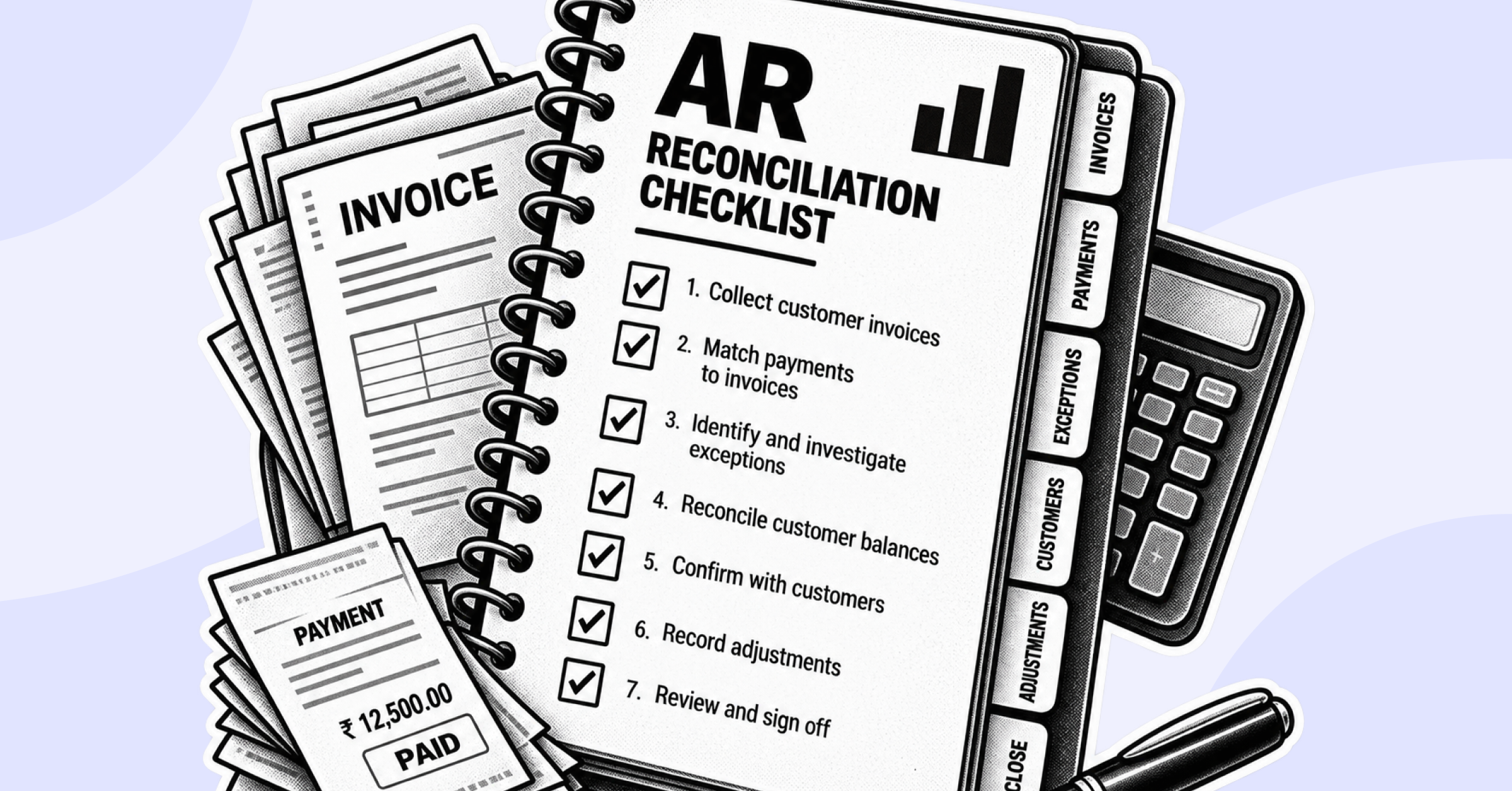
Before automating anything, the close process itself needs to be documented consistently across every entity, so that "how we close" does not vary depending on which team or which person is running it.
- Document every closing task clearly, including the exact source system, the account or entity it applies to, and the expected output, so a new team member could execute it from the written instructions alone.
- Assign ownership of individual reconciliation items to a named person or role, not to a team in general, so accountability is unambiguous when an item is late or incorrect.
- Set hard internal deadlines that fall ahead of the actual reporting date, building in buffer time for review and correction before the numbers are due externally or to the group consolidation team.
Step 2: Automate Repetitive Reconciliations and Entries
Once the process is standardized, the repetitive, rules-based parts of it are candidates for automation, freeing analyst time for exception review rather than routine matching.
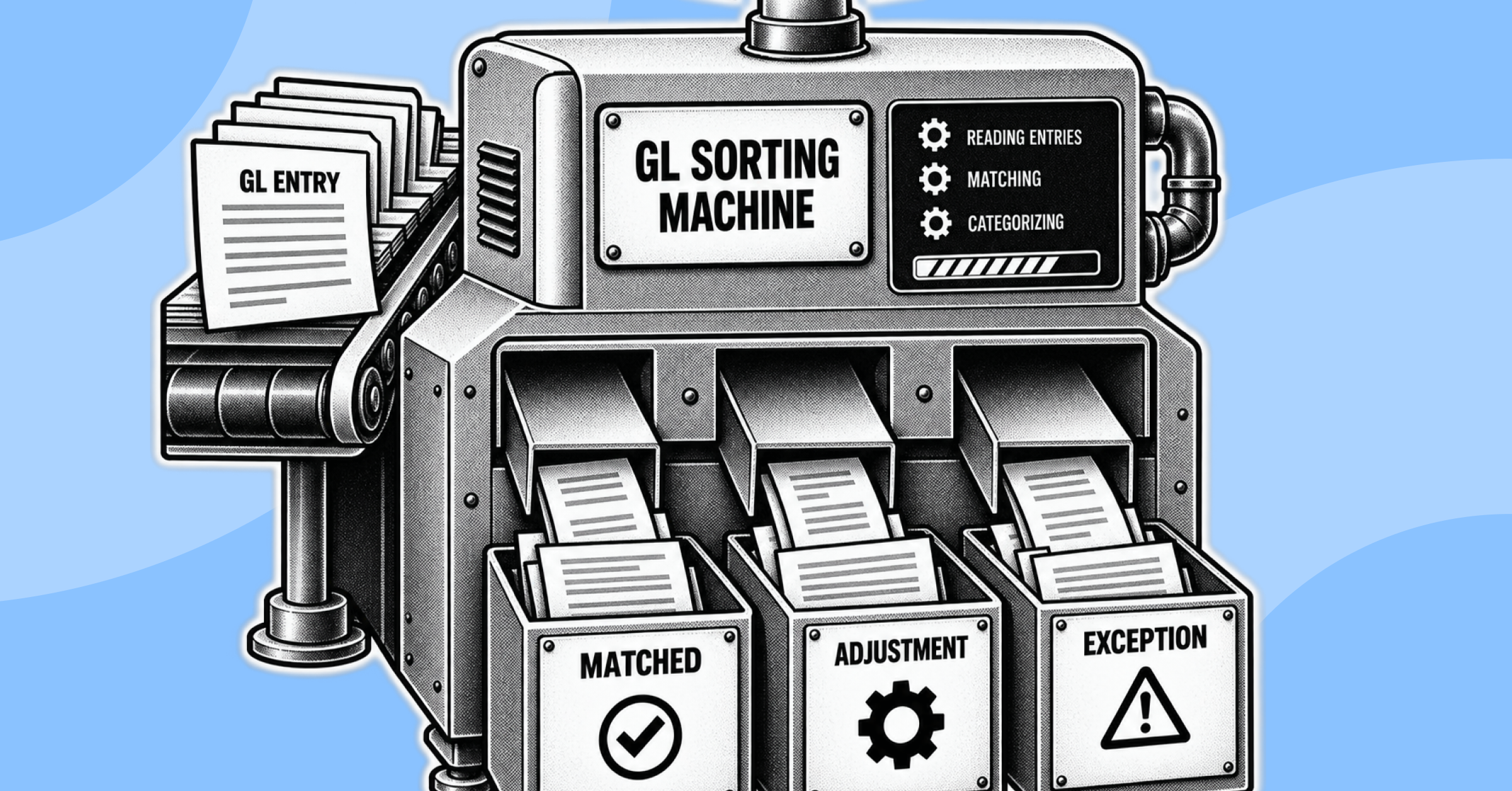
- Deploy rule-based matching tools for high-volume reconciliations (bank, AR, intercompany) so straightforward matches clear automatically and only genuine exceptions require manual review.
- Reduce manual journal entry preparation by templating recurring entries (accruals, allocations, standard adjustments) so they are generated consistently rather than rebuilt from scratch each period.
- Centralize data by connecting fragmented ERPs, banks, and payment systems into a single data layer, rather than exporting from each system into separate spreadsheets. This is the step where multi-ERP and shared-services complexity is most directly addressed: a shared services or GCC team working from one consolidated, current data feed across all connected systems can reconcile and close far faster than one manually merging exports from five different source systems under deadline pressure.
Step 3: Adopt a Continuous Close Methodology
A month-end-only close concentrates all the risk and all the workload into the final few days of the period. Continuous close spreads that workload across the period instead.
- Distribute workload via weekly or daily reconciliation activity rather than saving every reconciliation for month-end, so the volume of open items at close is a fraction of what it would otherwise be.
- Pre-calculate standard allocations and recurring accruals in advance of period-end, using estimates that can be trued up once final figures are available, rather than waiting for every input to be finalized before starting.
- Run mid-period soft closes and trial balances to catch anomalies early, so a data quality issue or an unreconciled balance surfaces with time to fix it, instead of on the last day of the close calendar.
Step 4: Embed Controls and an Audit Trail
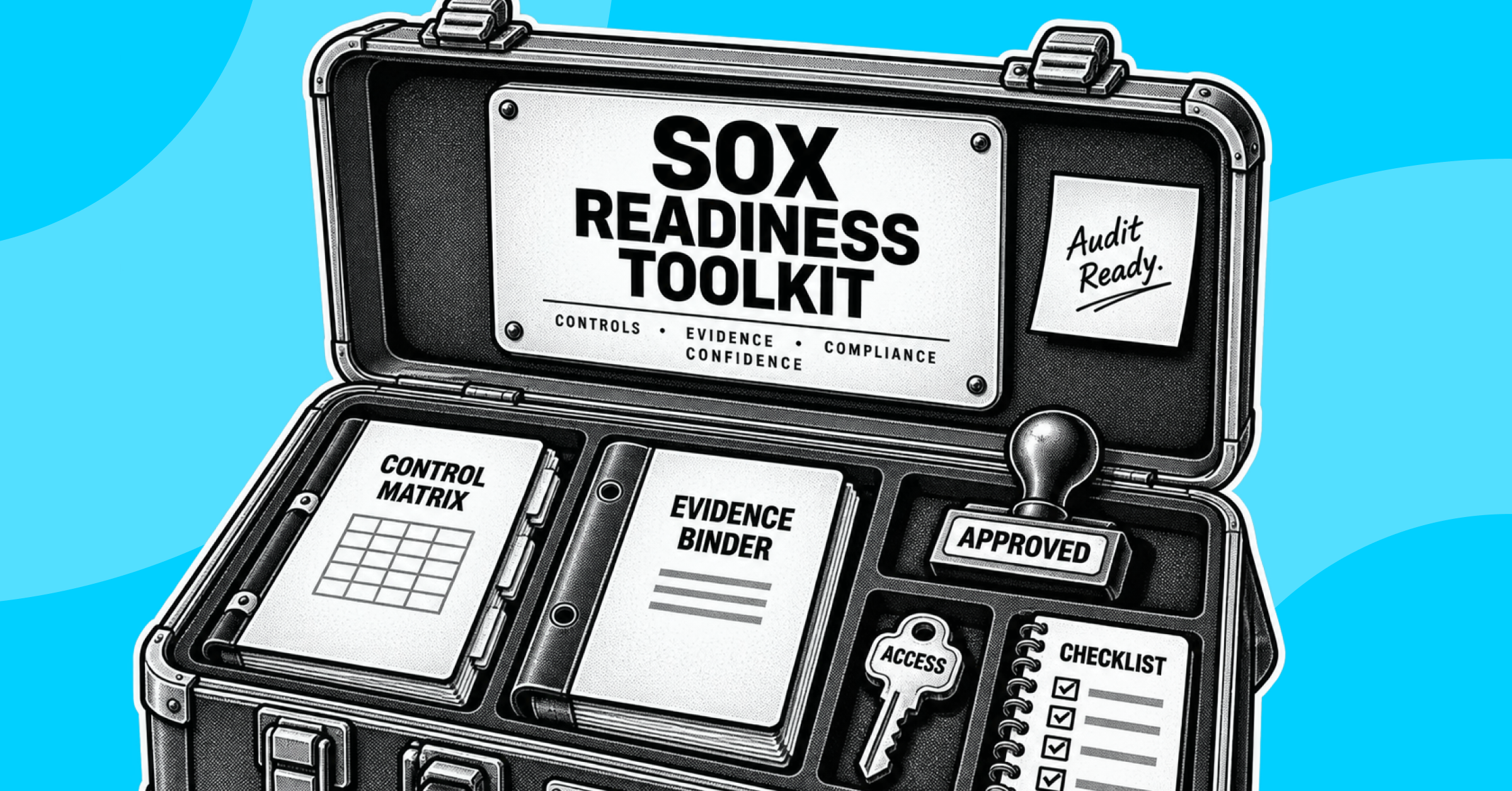
As reconciliation and journal entry work becomes more automated and more distributed across entities and locations, the controls framework around it needs to keep pace, not lag behind. Every reconciliation and every journal entry should carry a clear record of who prepared it, who reviewed and approved it, and what supporting evidence backs it up. Segregation of duties needs to be enforced systematically (the person preparing an entry should not be the same person approving it) rather than relying on informal team norms. A consistent audit trail across every entity also means that when a local or group auditor requests evidence, it can be retrieved directly rather than reconstructed under time pressure. This matters more, not less, as the number of entities and jurisdictions grows, since each one adds its own controls and audit expectations.
Step 5: Measure and Continuously Improve the Close
A close process should be measured the same way any other operational process is: with metrics that show whether it is getting faster, more accurate, and less dependent on manual intervention over time. Days to close, the number of manual journal entries per period, the volume and age of open reconciliation exceptions, and the number of post-close adjustments are all useful indicators. Reviewing these metrics after every close cycle, and specifically asking which step caused the most delay or the most rework, turns the close from a recurring fire drill into a process that improves period over period rather than staying static.
How Do Enterprises and GCCs Simplify Close Complexity at Scale?
At scale, the enterprises and GCCs that manage close complexity best tend to share a few practical habits rather than a single silver-bullet tool. They centralize their close calendar and checklist across entities in one system rather than one spreadsheet per entity, so status and ownership are visible group-wide rather than scattered across local trackers. They push reconciliation work as close to daily or weekly as the transaction volume allows, rather than letting it all land at month-end. And they treat their GCC or shared services team as an extension of a single standardized process, not a separate operation running its own version of the close, which is usually achieved by giving that team direct access to the same connected data and the same checklist the rest of the organization uses.
The common thread is that scale itself is not the enemy of a fast close. Undocumented, fragmented, manual processes running at scale are. Standardization and centralized data access are what let a close process add entities and currencies without adding proportional close time.
How Bluecopa Helps Manage Financial Close Complexity
Bluecopa is built for exactly the conditions that create enterprise close complexity: multiple ERPs per entity or region, multi-entity consolidation with intercompany activity, multi-currency operations, and close work distributed across shared services and GCC teams. Rather than treating each of these as a separate problem to be solved with a separate point tool, Bluecopa's AI-native platform, powered by SamyxAI, unifies reconciliation, continuous close (R2R), Order-to-Cash, Procure-to-Pay, treasury and cash forecasting, and management reporting on a single data layer.
For enterprise finance and GCC teams managing close across a fragmented ERP landscape, Bluecopa connects each ERP, bank, and payment system into one consistent data set, so reconciliation and consolidation work from current, unified data instead of stitched-together exports. Reconciliation and matching are automated with rule-based logic across accounts and entities, which directly reduces the manual reconciliation and spreadsheet dependency described earlier in this guide, and standardized close checklists with assigned ownership and hard deadlines can be applied consistently across every entity, rather than reinvented locally. Every reconciliation and entry carries a built-in audit trail, giving Controllers and R2R leads the visibility and control they need across multi-entity, multi-currency, multi-ERP operations, without depending on any one person's tribal knowledge to hold the process together. For enterprise finance teams and GCCs evaluating how to bring a fragmented, multi-system close under a single standardized process, this is the specific problem Bluecopa is built to address.
Frequently Asked Questions
1. What causes financial close complexity in large enterprises?
Close complexity in large enterprises typically comes from a combination of multiple legal entities each with their own close timeline, multiple ERPs and source systems, multi-currency operations requiring FX translation, layered regulatory requirements across jurisdictions, and manual reconciliation processes that cannot keep pace with transaction volume.
2. How long should a complex multi-entity close take?
Many enterprises with multi-entity, multi-currency operations still target a close of five to ten business days from period-end to consolidated reporting, though organizations with significant manual reconciliation and fragmented systems often see this stretch to fifteen days or more. Standardization and automation are the primary levers for closing that gap.
3. What is the difference between a traditional close and a continuous close?
A traditional close concentrates reconciliation, journal entries, and review into the final days after period-end. A continuous close distributes that same work across the period through weekly or daily reconciliation, pre-calculated recurring entries, and mid-period soft closes, so the actual period-end close involves far fewer open items.
4. How do multi-ERP environments specifically slow down the close process?
Each ERP has its own chart of accounts, data format, and export process, so consolidating data from multiple ERPs typically requires manual normalization before reconciliation can even begin. This adds a data preparation step to every close cycle that a single-ERP organization does not have to perform, and it is a common source of delay in shared services and GCC-run closes.
5. Can financial close complexity be fully automated?
Not entirely, and it should not be the goal. Rule-based matching, recurring journal entries, and data centralization can be automated effectively, removing the bulk of repetitive manual work. Judgment-based review, exception investigation, and final sign-off still require experienced finance professionals; automation is meant to free their time for that work, not replace it.
6.How does standardizing close checklists reduce complexity across entities?
A standardized checklist ensures every entity closes using the same documented steps, ownership assignments, and deadlines, rather than each entity or team developing its own informal process. This reduces the risk that close quality depends on which team or which individual is executing it, and it makes onboarding new staff or new entities significantly faster.