

Key Takeaways
- Streamlining general ledger reconciliation starts with standardizing the process itself: a close calendar, assigned ownership, and templates by account type.
- General ledger reconciliation automation should target data gathering and transaction matching first, since these consume the most manual hours.
- Exception-based reconciliation lets teams review only what does not match automatically, instead of re-checking every line.
- Controls, segregation of duties, and an audit-ready trail need to be built into the workflow, not added after the fact.
- Continuous close, reconciling throughout the month rather than only at period-end, is what allows close days to keep shrinking as transaction volume grows.
- At multi-entity or enterprise scale, spreadsheet-based reconciliation eventually breaks down on volume, consolidation, and control requirements, which is where a dedicated platform becomes necessary.
The general ledger reconciliation process is the backbone of every financial close, and it is also where finance teams lose the most time. Between chasing subledger extracts, matching transactions line by line in spreadsheets, and tracking down sign-offs before the close deadline, reconciliation can consume days that should be spent on analysis instead. This guide walks through a practical, six-step approach to streamline general ledger reconciliation: standardizing the process, automating data gathering and matching, shifting to exception-based review, embedding controls, moving to continuous close, and measuring performance over time.
Why the General Ledger Reconciliation Process Slows Down Finance Teams
Most delays in GL account reconciliation do not come from the accounting judgment involved. They come from the mechanics around it: pulling data from disconnected systems, matching transactions manually across the GL and subledgers, and waiting on approvals that sit in someone's inbox. A typical monthly close involves dozens to hundreds of GL accounts, each requiring its own reconciliation, and when every account is treated the same way regardless of risk or complexity, low-risk accounts eat up time that should go to the accounts that actually carry exposure.
Spreadsheet-based reconciliation compounds the problem. Formulas break when someone inserts a row, version control becomes a shared drive full of files named "final_v3," and there is no consistent audit trail showing who reviewed what and when. As transaction volume grows, whether from new business lines, new entities, or ERP consolidation, the manual approach does not scale linearly. It scales worse than linearly, because coordination overhead grows with headcount and account count. Streamlining the general ledger reconciliation process is fundamentally about removing this coordination and matching overhead so the team's time goes to judgment, not mechanics.
6 Ways to Streamline General Ledger Reconciliation
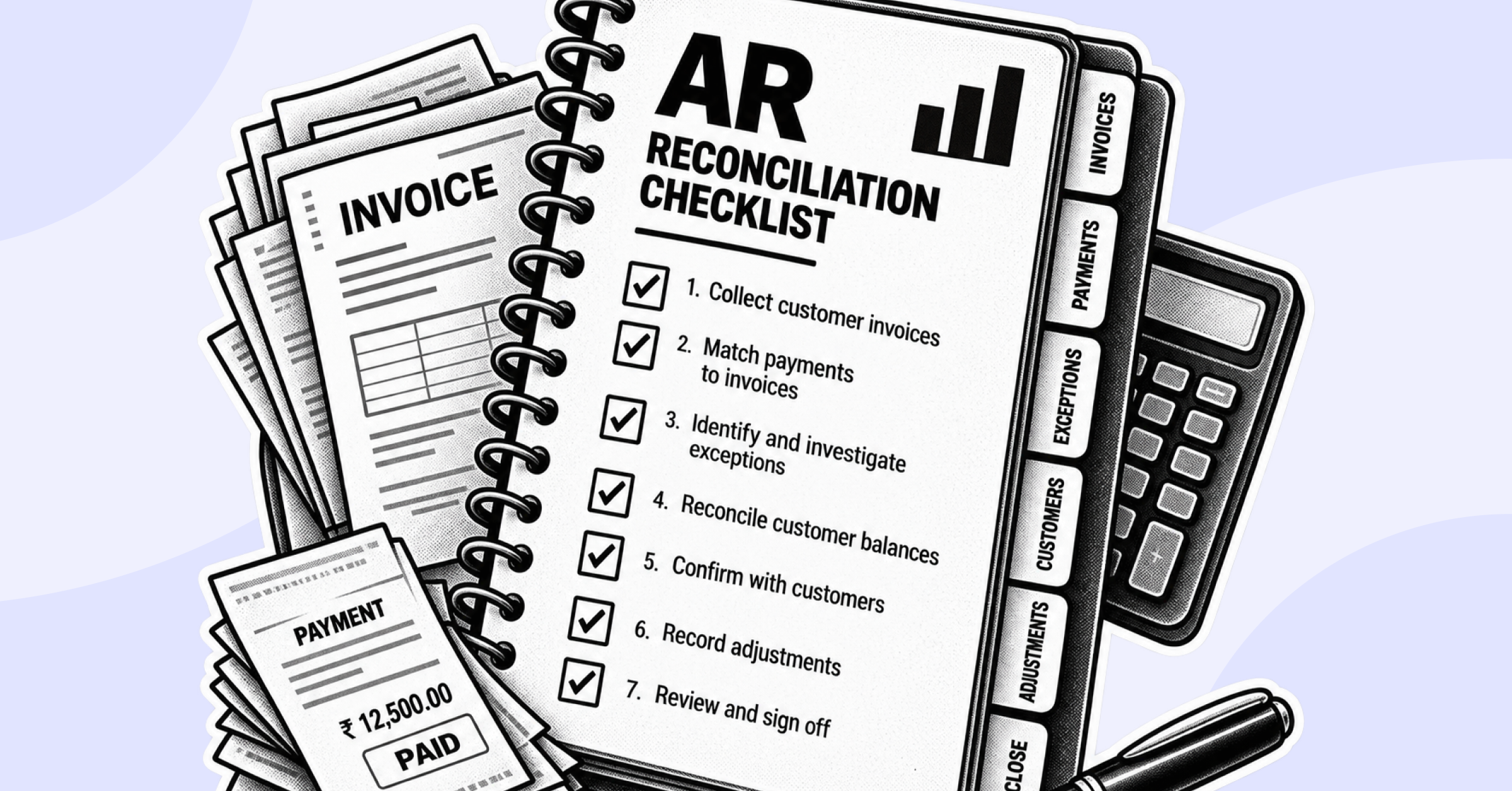
For finance teams looking for a direct answer, here are the six moves that streamline general ledger reconciliation, in the order they typically get implemented:
- Standardize the process: build a reconciliation close calendar with assigned ownership, and use standardized templates by account type.
- Automate data gathering and matching: auto-pull GL, subledger, and bank or source data, and apply rules-based plus AI-driven matching.
- Shift to exception-based reconciliation: review only the transactions that do not match automatically, instead of re-verifying every line.
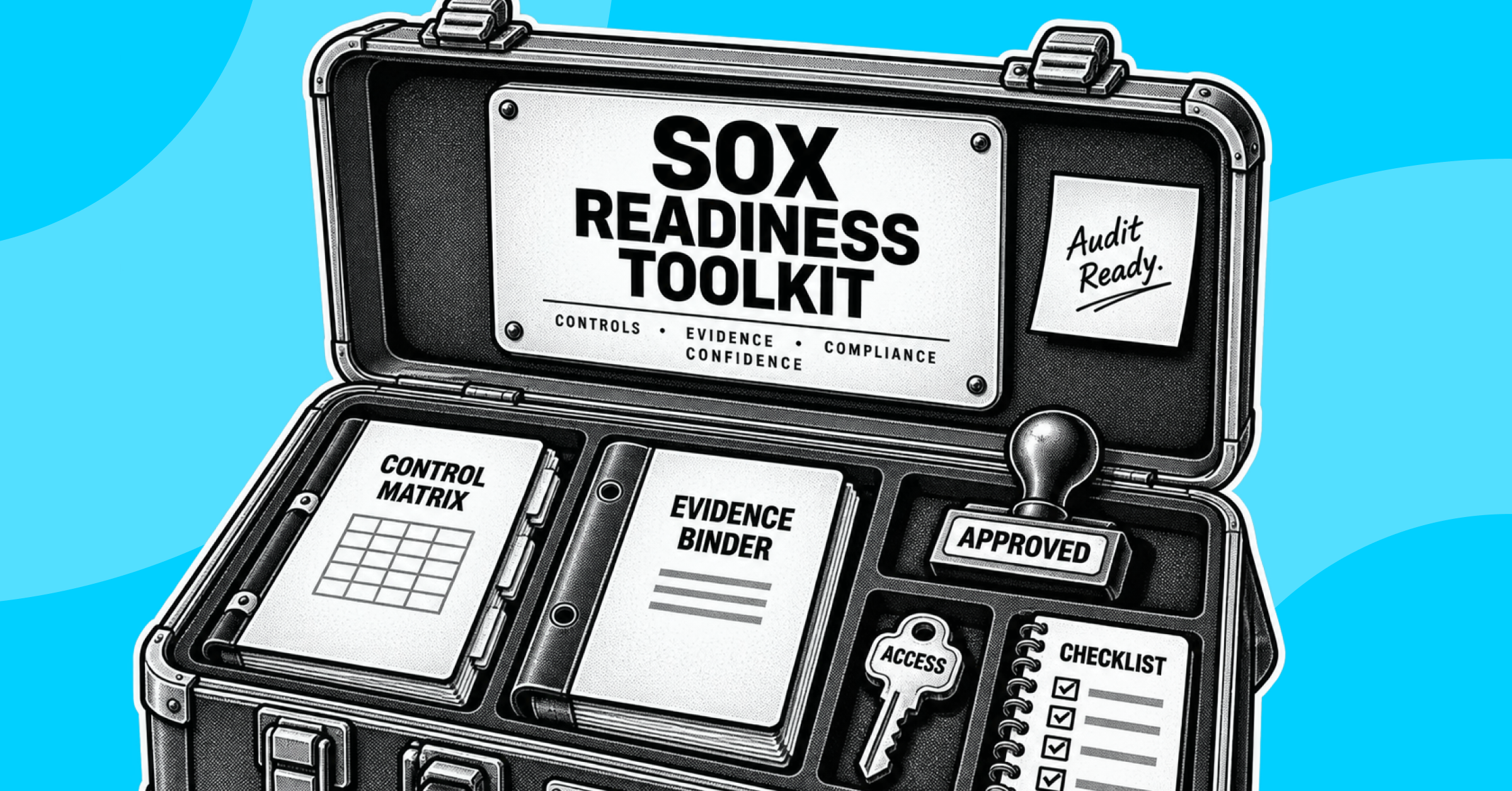
- Embed controls and approval workflows: enforce segregation of duties, structured sign-off chains, and a maintained audit trail.
- Reconcile continuously: match transactions throughout the month instead of compressing all reconciliation work into the close window.
- Measure and monitor performance: track close days, exception rate, and reconciliation cycle time to know whether the process is actually improving.
Step 1: Standardize the General Ledger Reconciliation Process
Before automating anything, standardize how reconciliation is performed across the organization. Automating an inconsistent process just produces inconsistent results faster. Standardization means every account is reconciled the same way, on the same schedule, by clearly assigned owners, using a consistent template.
Build a Reconciliation Close Calendar and Assign Ownership
A reconciliation close calendar lists every GL account that needs reconciliation, the frequency (monthly, quarterly, or continuous), the preparer, the reviewer, and the due date relative to close. Assigning clear ownership eliminates the ambiguity that causes accounts to sit untouched until the last day of close. Higher-risk accounts, such as intercompany, accruals, and clearing accounts, should be flagged for more frequent reconciliation and a more senior reviewer, while low-risk accounts like fixed office expense accruals can follow a lighter cadence.
Use Standardized Reconciliation Templates by Account Type
Different account types need different reconciliation logic. A bank account reconciliation compares GL cash balances to bank statement activity. An intercompany account reconciliation compares balances between entities. An accrual account reconciliation ties the GL balance back to supporting schedules. Building a standard template for each account type, with defined fields for supporting documentation, variance explanation, and sign-off, means every preparer produces a reconciliation that looks the same and can be reviewed the same way, regardless of who prepared it.
Step 2: Automate Data Gathering and Transaction Matching
Once the process is standardized, the next lever is general ledger reconciliation automation for the two steps that consume the most manual hours: pulling data and matching transactions.
Auto-Pull GL, Subledger, and Bank or Source Data
Manually exporting data from the ERP, subledgers, and bank portals, then reformatting it to line up in a spreadsheet, is one of the largest sources of wasted time in reconciliation. Automating this step means connecting directly to the GL, subledgers, and bank or source systems so that reconciliation data is pulled on a schedule rather than requested by hand each period. This alone removes a meaningful chunk of the elapsed time before matching can even begin. For a closer look at automating the data side of a specific reconciliation type, see how to automate bank reconciliation.
Rules-Based and AI-Driven Matching
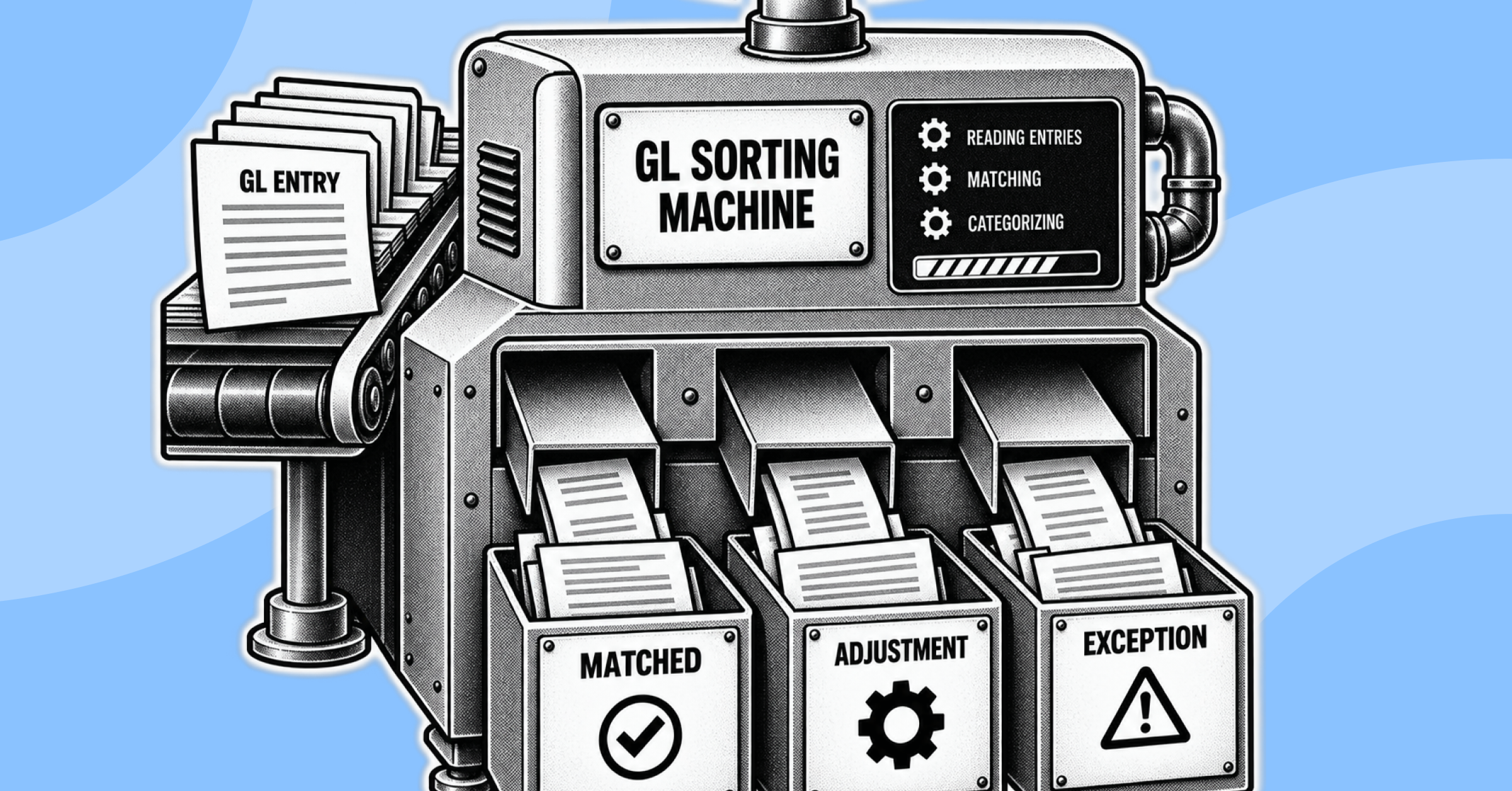
Once data is flowing automatically, transaction matching is the next target. Rules-based matching handles the transactions that follow predictable patterns: exact amount and reference matches, one-to-one matches, and simple many-to-one splits. AI-driven matching extends this to fuzzy matches, where reference numbers are formatted differently across systems, amounts are split across multiple line items, or timing differences push a transaction into an adjacent period. Bluecopa's Samyx Recon engine, for example, applies a hybrid of deterministic rules and AI-driven matching to process over 5 million records per hour at 97 to 99 percent match accuracy, which is the kind of throughput that makes automated matching viable even for high-volume accounts like intercompany and cash clearing.
Step 3: Shift to Exception-Based Reconciliation
Exception-based reconciliation is the natural next step once matching is automated: instead of a preparer reviewing every transaction line, the system surfaces only the transactions that did not match automatically. This changes the reviewer's job from re-verifying thousands of already-correct matches to investigating the handful that actually need judgment.
The practical effect on cycle time is significant. If 95 percent of transactions in a given account match automatically and cleanly, the reviewer's attention goes entirely to the remaining 5 percent, the actual exceptions, timing differences, and true discrepancies. This is also where reconciliation quality tends to improve, because reviewers are no longer fatigued from scanning long lists of items that were never going to be a problem. Exception-based reconciliation does not remove human judgment from the process; it concentrates that judgment where it is actually needed.
Step 4: Embed Controls and Approval Workflows
Streamlining reconciliation cannot come at the cost of control. In fact, the accounts most in need of speed, high-volume and high-risk accounts, are usually the ones where controls matter most. Controls need to be built into the workflow itself rather than layered on as a separate compliance exercise after the numbers are done.
Segregation of Duties and Sign-Off Chains
The preparer of a reconciliation should never also be its final approver. A structured sign-off chain, preparer, reviewer, and where required, a second-level approver for material or high-risk accounts, keeps segregation of duties intact even as the process speeds up. Policy-as-code approaches, where approval thresholds, required reviewers, and escalation rules are defined once and enforced automatically, prevent a faster process from becoming a less controlled one. This is the function Bluecopa's Samyx Build layer performs: applying policy gates for approvals, thresholds, and segregation of duties so control requirements are enforced consistently rather than depending on someone remembering the rule.
Maintaining an Audit-Ready Trail
Every reconciliation should retain a record of what was compared, what matched automatically, what was flagged as an exception, how the exception was resolved, and who approved the final reconciliation. An audit trail that is assembled after the fact, by digging through email threads and spreadsheet version history, defeats the purpose of streamlining the process in the first place. When the audit trail is captured automatically as reconciliations happen, both internal and external audit requests become a matter of pulling a report rather than reconstructing history.
Step 5: Reconcile Continuously Instead of Only at Month-End
Most of the pressure in a monthly close comes from compressing reconciliation work into a narrow window at period-end. Continuous close general ledger reconciliation spreads that work across the month instead: transactions are matched as they post, exceptions are surfaced and resolved throughout the period, and by the time the close window opens, most accounts are already substantially reconciled.
This is where general ledger reconciliation automation and exception-based review compound into a real reduction in close days. If matching happens daily rather than in a single end-of-month push, the close period itself becomes a final review and sign-off exercise rather than the primary reconciliation effort. Teams that make this shift consistently report the largest reduction in close-day count of any single change to the process. For a broader look at building this into the close cycle, see Bluecopa's guide on continuous close software.
Step 6: Measure and Monitor Reconciliation Performance
Streamlining is not a one-time project; it needs to be measured to confirm it is actually working and to catch regression before it becomes a close-week emergency.
Key Metrics: Close Days, Exception Rate, Reconciliation Cycle Time
- Close days: the number of business days from period-end to close completion. This is the headline metric that reflects whether reconciliation improvements are translating into a faster close.
- Exception rate: the percentage of transactions or accounts that require manual intervention rather than matching automatically. A rising exception rate is often an early signal of a data quality or process issue upstream.
- Reconciliation cycle time: the average time from when an account reconciliation is opened to when it is fully approved. Tracking this by account type highlights which categories still rely on manual effort.
Beyond tracking the numbers, understanding why exception rates or cycle times move requires variance analysis: which accounts, entities, or transaction types are driving the change. Bluecopa's Samyx Narrate applies AI-powered variance analysis and trend insights to this exact question, surfacing which accounts are contributing most to a shift in exception rate or cycle time rather than leaving finance teams to dig through account-level detail manually.
Streamlining General Ledger Reconciliation at Multi-Entity or Enterprise Scale
Multi-entity general ledger reconciliation introduces problems that do not exist for a single-entity close: different charts of accounts across subsidiaries, intercompany eliminations, multiple currencies, and consolidation timing across entities on different close calendars. Standardized templates and automated matching still apply, but they need to work consistently across every entity, not just the parent company's books.
At enterprise scale, the coordination cost of reconciliation is often larger than the reconciliation work itself: getting every entity's data pulled on time, every intercompany balance matched before elimination, and every entity's sign-off collected before consolidated close can begin. A platform-based approach that applies the same automated matching, exception handling, and controls across every entity on one data layer removes this coordination burden, rather than asking a corporate close team to chase dozens of local teams for status updates. This is also where close management automation becomes relevant as a companion to reconciliation automation itself; see close management automation software for how the two connect.
When Manual or Spreadsheet-Based Reconciliation Stops Scaling
Spreadsheet-based reconciliation works reasonably well at low transaction volume and low entity count. It stops working when any of a few thresholds are crossed: transaction volume grows past what can be matched line by line in a reasonable window, the number of entities or account owners grows past what a shared drive can track cleanly, or audit and regulatory scrutiny increases to the point where an ad hoc audit trail is no longer defensible.
The signs are usually visible before the breaking point: close days creeping up each quarter despite no change in business complexity, reconciliations that consistently slip past their due date on the close calendar, and an audit trail that takes days to reconstruct when requested. At that point, the question is no longer whether to move off spreadsheets, but which platform to move to. For a comparison of the options, see Bluecopa's 9 best general ledger reconciliation software roundup.
How Bluecopa Supports a Streamlined General Ledger Reconciliation Process
Bluecopa is an AI-native finance operations platform, powered by SamyxAI, that unifies Order-to-Cash, Procure-to-Pay, and Record-to-Report, including reconciliation, continuous close, and journal automation, on a single data layer. For general ledger reconciliation specifically, this means GL, subledger, and source data are pulled automatically rather than exported and reformatted by hand, and matching runs through Samyx Recon's hybrid deterministic and AI-driven engine, which processes more than 5 million records per hour at 97 to 99 percent accuracy.
Controls are enforced through Samyx Build's policy-as-code layer, which applies approval thresholds, segregation-of-duties rules, and audit controls consistently across every account and entity, rather than depending on manual sign-off tracking. Samyx Narrate then applies AI-powered variance analysis to help finance teams understand why exception rates or cycle times shift period over period. Bluecopa is built for enterprise finance teams and Global Capability Centers managing high transaction volume and multi-entity complexity; it is positioned as AI-assisted automation with human-in-the-loop exception review, not as a fully autonomous close.
Two proof points illustrate the impact at enterprise scale: Yatra achieved 7x faster AR reconciliation and a 90 percent faster month-end close after implementing Bluecopa, and HackerEarth reduced reconciliation errors by 60 percent. Both results reflect what standardizing, automating, and controlling the general ledger reconciliation process, at scale, can actually deliver.
Frequently Asked Questions
1. How often should general ledger reconciliation be performed?
High-risk and high-volume accounts, such as cash, intercompany, and clearing accounts, should be reconciled continuously or at minimum weekly. Lower-risk accounts can typically follow a monthly cadence tied to the close calendar. The right frequency depends on transaction volume and the risk of material misstatement if an account goes unreconciled for an extended period.
2. What is the difference between general ledger reconciliation and bank reconciliation?
Bank reconciliation is one specific type of general ledger reconciliation: it compares the GL cash balance to the bank statement for a given account. General ledger reconciliation is the broader process applied across all GL accounts, including intercompany, accrual, prepaid, fixed asset, and clearing accounts, not just cash.
3. What causes most delays in the general ledger reconciliation process?
The largest sources of delay are manual data gathering from disconnected systems, line-by-line manual transaction matching, and approval workflows that depend on someone remembering to review and sign off rather than a structured, tracked process.
4. Does exception-based reconciliation reduce control quality?
No, when implemented correctly it improves control quality, because reviewers are no longer fatigued from scanning long lists of already-correct matches and can focus their attention on the transactions that actually carry risk. Segregation of duties and sign-off requirements still apply to every reconciliation, exception-based or not.
5. How does continuous close relate to general ledger reconciliation?
Continuous close spreads reconciliation and matching work across the month instead of compressing it into the period-end close window. By the time the formal close period begins, most GL accounts are already substantially reconciled, which is what allows close days to shrink even as transaction volume grows.
6. When does it make sense to move off spreadsheet-based reconciliation?
It makes sense once close days are trending up despite stable business complexity, reconciliations regularly miss their close calendar due dates, the organization operates across multiple entities with intercompany eliminations, or audit requests for supporting documentation take days to assemble rather than minutes.