

Key Takeaways
- Automating bank reconciliation doesn't mean automating everything at once. It means systematically removing manual work from four stages: data ingestion, matching, exception handling, and certification, in that order.
- Rules-based matching handles the majority of transactions (fixed amounts, clean references, one-to-one deposits) reliably and transparently. AI-driven matching earns its place on the harder cases: partial payments, netted deposits, many-to-many matches, and formats that change without notice.
- Automation doesn't remove the need for controls. It relocates them: segregation of duties, materiality thresholds, and audit trails have to be built into the workflow itself, not reconstructed after the fact.
- The biggest automation risk isn't a missed match, it's a false exception. Poorly calibrated tolerances and matching rules create more manual review work than they remove, not less.
- A phased rollout (assess, select, configure, run in parallel, then cut over) consistently outperforms a big-bang switch, because it catches rule and threshold problems before they hit a real close.
Most finance teams don't decide to automate bank reconciliation because it sounds efficient. They decide to automate it because the manual version has quietly stopped working: the reconciler spends more time chasing bank feeds and re-keying data than actually investigating the handful of transactions that are genuinely wrong. Automation fixes that by taking over the parts of the process that are mechanical and repetitive, and leaving the parts that need judgment (a real dispute, a genuine error, a control exception) to a human reviewer.
A quick overview: what "automating bank reconciliation" actually covers, where the manual process breaks down first, the four-stage automation workflow, how to choose between rules-based and AI-driven matching, how exception handling and controls need to change, a realistic implementation sequence, and the ROI and risks worth planning for before you start.
What Automating Bank Reconciliation Actually Means
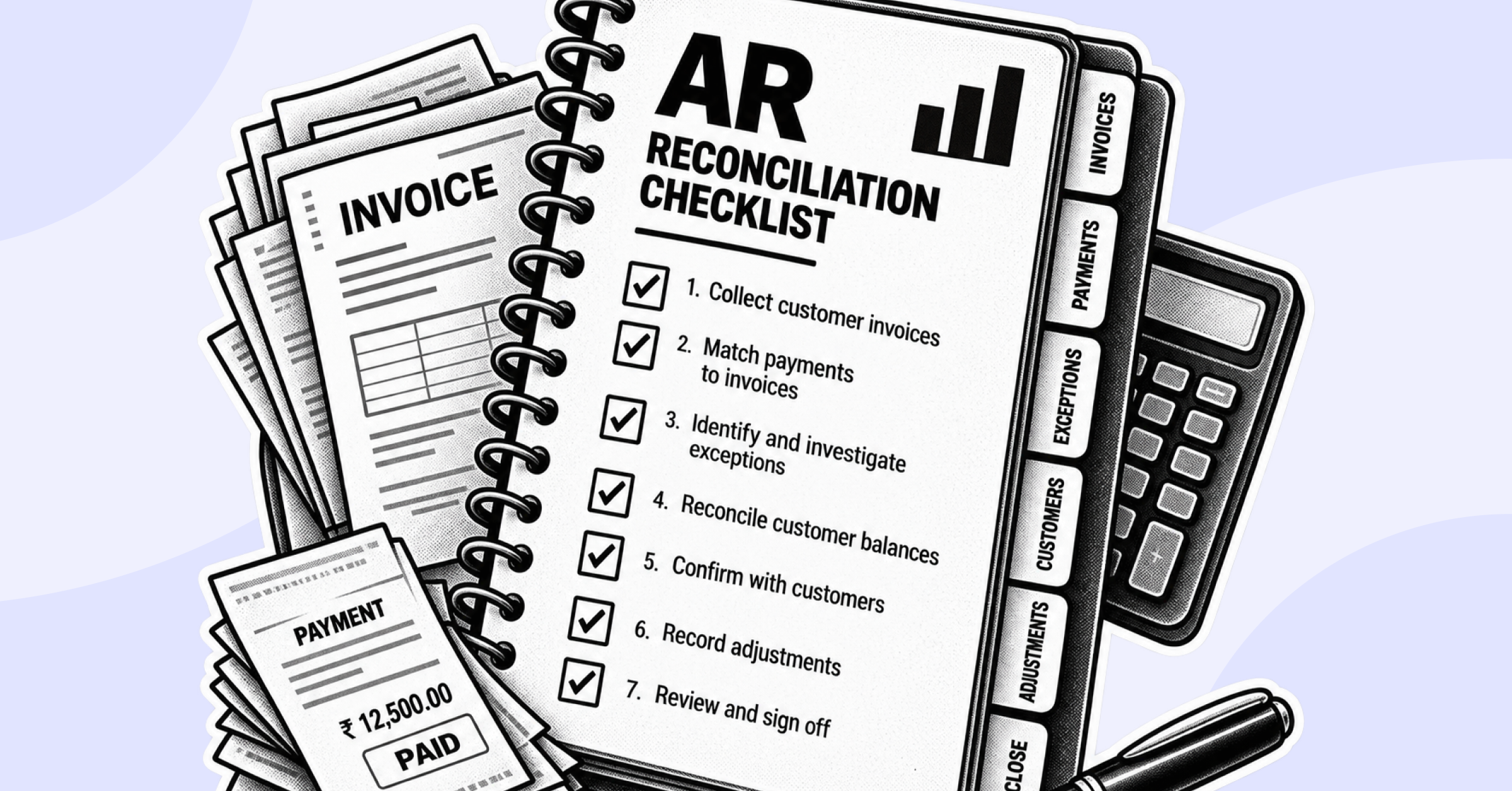
Bank reconciliation, done manually, is five steps: pull the bank statement and the general ledger, match transactions between them, investigate whatever doesn't match, post adjusting entries, and get the reconciliation reviewed and signed off. Automation doesn't collapse all five into a black box. It replaces the mechanical parts of each step and keeps a human in the loop wherever judgment is actually required.
- Data ingestion gets automated first, and almost always successfully. Bank feeds and ERP or ledger data connect through APIs or scheduled file transfers instead of someone logging into a banking portal and downloading a CSV every morning.
- Standardization becomes a rules layer, not a spreadsheet formula. Dates, currencies, descriptions, and reference formats get normalized automatically so the matching engine is comparing like with like.
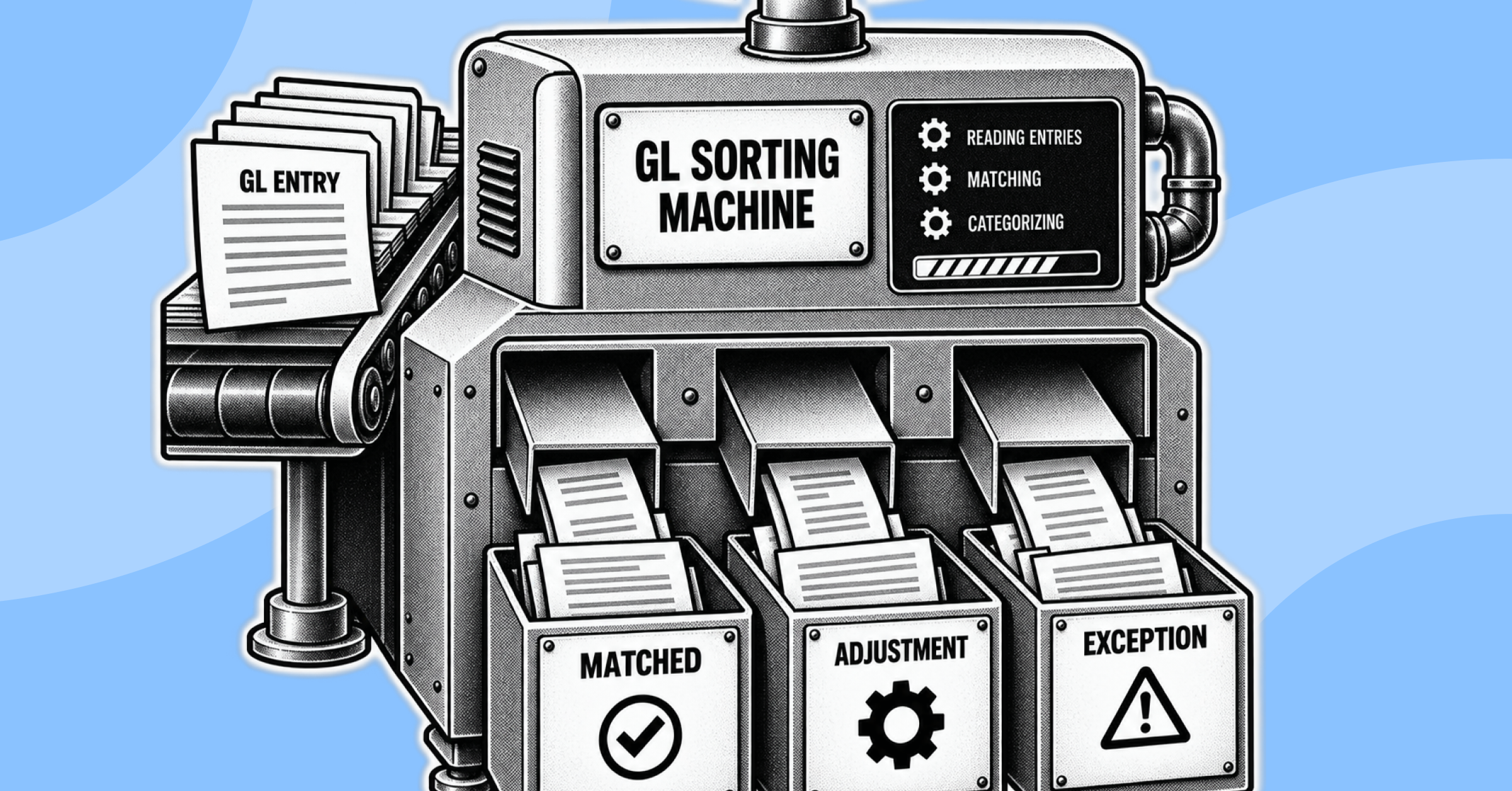
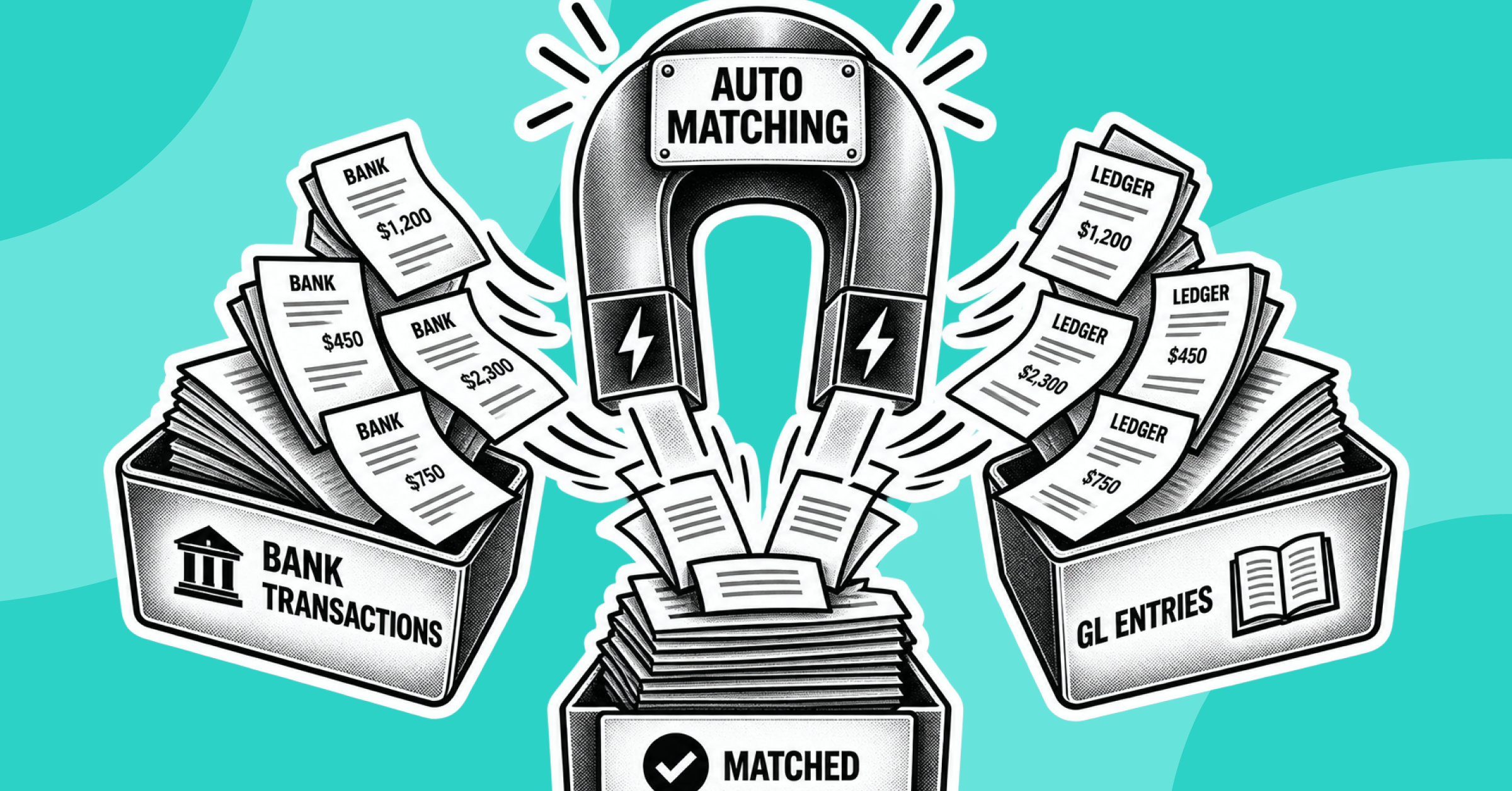
- Matching is where most of the real automation value sits. A system applies deterministic rules first (amount, date window, reference ID) and, where configured, AI-based pattern matching for the transactions that don't fit a clean rule.
- Exception handling gets automated as a workflow, not as a resolution. The system routes unmatched items to the right owner with the right context. It doesn't decide, on its own, that a genuine discrepancy is fine to ignore.
- Certification and reporting get automated as an audit trail. Every match, override, and approval is timestamped and attributable, which is what makes an automated reconciliation defensible in an audit rather than just fast.
The honest framing: automation removes the labor of matching and chasing data. It does not remove the responsibility of deciding what a genuine exception means. Teams that expect the second thing from the first end up disappointed, or worse, under-controlled.
Where Manual Bank Reconciliation Breaks Down First
Automation is worth building only where the manual process is actually failing. In practice, that's a short, predictable list.
- Data pulling is manual and repetitive. Someone logs into one or more banking portals, downloads statements, exports the ledger, and reformats both before any matching can start, every single period.
- Matching is transaction-by-transaction. A reconciler eyeballs two lists and manually ties line items together, which scales linearly with transaction volume and falls apart the moment volume doesn't.
- Formats and channels multiply faster than spreadsheet logic can keep up. Multiple bank accounts, multiple entities, or multiple payment rails (card processors, marketplaces, wires) each bring their own format quirks that a manual process has to relearn every time something changes upstream.
- Exceptions pile up because there's no owner or SLA. Without a structured queue, unmatched items sit in a tab or a spreadsheet column until someone remembers to look, and by the time they do, the transaction is weeks old and harder to trace.
- The audit trail is reconstructed after the fact. Sign-off happens, but the evidence of who checked what and when often lives in email threads and memory rather than in the reconciliation itself.
None of these are technology problems in isolation. They're volume and complexity problems that a spreadsheet-based process was never built to absorb, which is exactly why automation earns its cost the moment transaction volume, entity count, or channel count crosses a team's manual capacity.
The Bank Reconciliation Automation Workflow, Step by Step
- Connect the data sources. Bring bank feeds and ERP/ledger data into the platform through APIs where the bank supports them, and scheduled file feeds where it doesn't. API connectivity matters because it keeps the reconciliation current instead of dependent on someone remembering a manual export.
- Standardize and enrich the data. Normalize date formats, currencies, and descriptions, and tag transactions with the classifications the matching engine needs (entity, channel, account) before matching runs.
- Configure matching rules and tolerances. Set deterministic rules for amount, date window, and reference-ID matching, with absolute or percentage tolerances that absorb known noise like bank fees or rounding, without becoming so loose they wave through real discrepancies.
- Layer in AI-assisted matching for the harder cases. Use pattern-based matching for one-to-many and many-to-many transactions (a single deposit covering several invoices, a netted payout) where a fixed rule can't reliably describe the relationship.
- Route exceptions into an owned queue. Every unmatched item gets an owner, an aging clock, and an escalation path, so investigation happens on a schedule instead of whenever someone has time.
- Post adjusting entries from the exception queue, not around it. Fees, FX differences, timing items, and confirmed errors get booked as their own line items with a documented reason, keeping the reconciliation auditable instead of just balanced.
- Certify and report with a full audit trail. Preparer and reviewer actions are captured automatically, including overrides, so sign-off produces evidence, not just a cleared status.
Rules-Based vs AI-Driven Matching: Which One Actually Fits
This is the decision most teams get wrong in one of two directions: over-relying on rigid rules that can't handle real-world messiness, or assuming AI matching is required everywhere when most transactions never needed it.
- Rules-based matching is the right default for clean, structured transactions. Fixed deposits, consistent reference numbers, and predictable timing (payroll, standing transfers, single-invoice payments) match reliably on deterministic logic, and deterministic logic is easier to explain to an auditor than a model's confidence score.
- AI-driven matching earns its place on variable, high-noise transactions. Partial payments, consolidated deposits covering multiple invoices, processor payouts netted of fees, and formats that change without notice (a vendor updates an invoice template, a new payment gateway gets added) are exactly where pattern-based matching reduces exceptions that a static rule set would otherwise kick out every time.
- Most reconciliations need both, not one or the other. The realistic target is rules-based matching handling the bulk of clean transactions with high confidence, and AI-assisted matching absorbing the residual complexity, so what's left in the exception queue is genuinely worth a human's time.
- AI matching should improve over time, not stay static. A system that learns from confirmed matches and corrected exceptions should gradually reduce the exception rate for recurring patterns, rather than requiring the same manual rule-writing every time a new format shows up.
The failure mode to watch for either way: a matching engine tuned so loosely that it auto-clears things that shouldn't clear, or so tight that it manually escalates transactions that were never actually a problem. Both erode trust in the automation faster than any missing feature would.
Internal Controls and Exception Handling for Automated Bank Reconciliation
The most common misconception about reconciliation automation is that it reduces the need for controls. It doesn't. It relocates them into the configuration and the workflow, which means they have to be designed deliberately instead of assumed.
- Segregation of duties has to be enforced in the system, not just in policy. The person who can resolve or override an exception should not be the same person who certifies the reconciliation, and the platform should block that overlap rather than rely on someone remembering the rule.
- Materiality thresholds need to be explicit and documented, not tribal knowledge. Automation forces the question that manual processes often dodge: exactly how large does a variance need to be before it requires investigation, and who approved that number.
- Every override needs a reason code, not just an approval click. An automated match that gets manually overridden is the single highest-risk action in the workflow, and it's the first thing an auditor will ask to see justified.
- Aging policies prevent the automated version of an old problem. Automation makes it easy to auto-clear low-value noise, which can quietly let genuinely aged, unresolved exceptions sit past 30 or 60 days if nobody's watching the aging report specifically, not just the exception count.
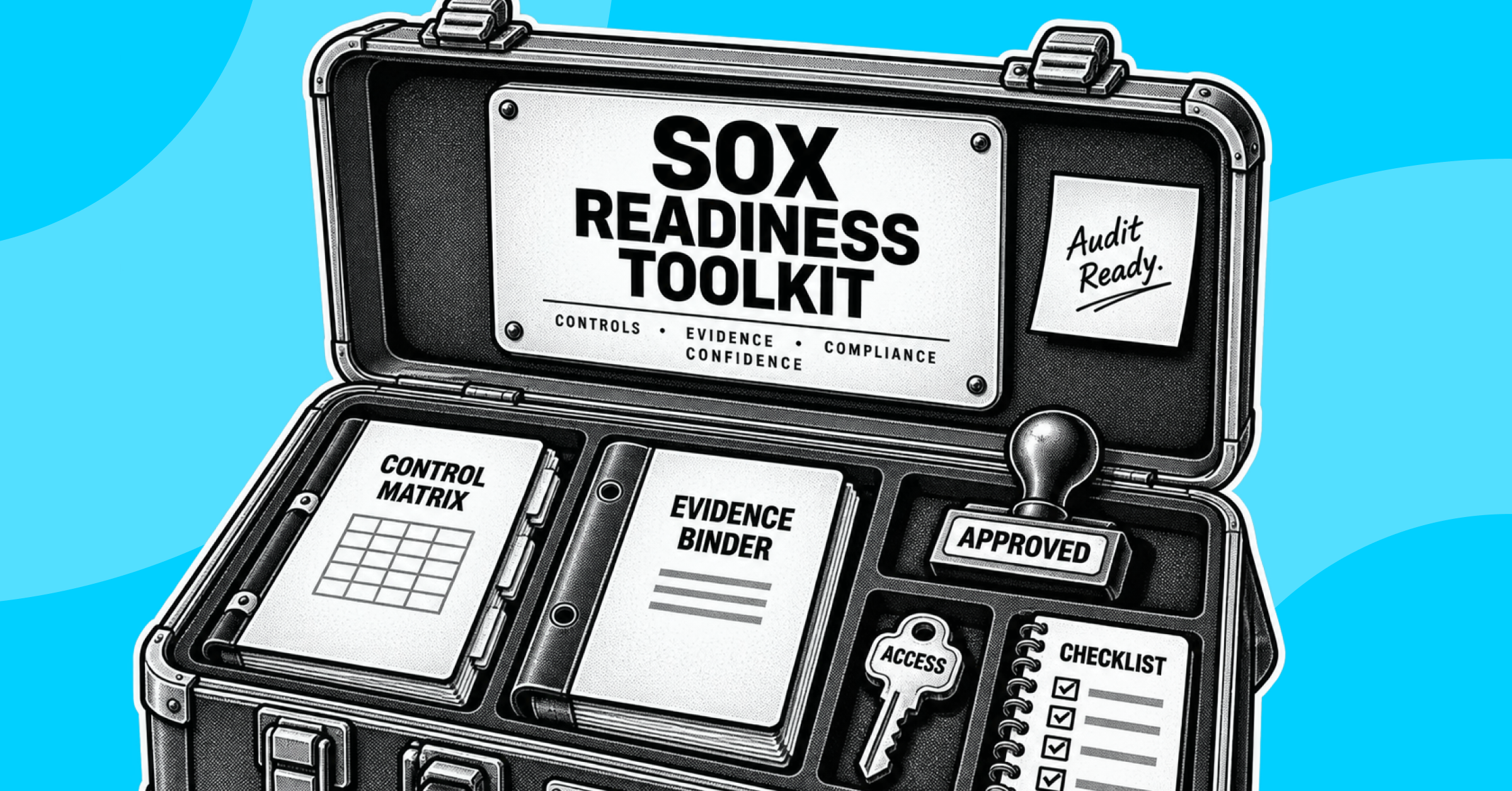
- The audit trail is the actual deliverable, not the matched balance. A reconciliation that ties out with no record of who reviewed what, when, and why is not more auditable than a manual one. It's the same risk with better formatting.
How to Implement Bank Reconciliation Automation
- Assess the current process before evaluating any platform. Document transaction volumes, bank account and entity count, payment channels, and where the manual process is actually breaking down, not where it's merely inconvenient.
- Select a platform against integration depth and control features first, feature lists second. Confirm API-based (not just file-based) connectivity to your actual banks and ERP, and confirm the platform supports the segregation-of-duties and audit-trail requirements your auditors already expect.
- Configure matching rules and tolerances deliberately, starting narrow. Build rules for the cleanest, highest-volume transaction types first, and expand into AI-assisted matching for the harder categories once the basics are proven.
- Run automated and manual reconciliation in parallel for at least one or two close cycles. This is the step teams skip under deadline pressure, and it's the step that catches a miscalibrated tolerance or a bad rule before it affects a real close, not after.
- Shift the team's role before shifting their workload. Reconciliation staff move from transaction-level matching to exception review and rule refinement. Naming that shift explicitly, and training for it, avoids the change-management friction that kills automation projects as often as bad technology does.
- Cut over by entity or account, not all at once. A phased cutover contains the blast radius of a configuration problem to one account or entity instead of the whole close.
ROI and Risks of Automating Bank Reconciliation
The realistic gains from automating bank reconciliation show up in a few consistent places: reconciliation cycles that compress from days to hours, staff time freed for actual investigation instead of data pulling and matching, real-time visibility into cash position instead of a month-end snapshot, and the ability to absorb rising transaction volume or entity count without adding headcount in proportion.
The risks worth planning for up front, not discovering later:
- False exceptions from bad calibration, which create more manual review than the manual process did, not less.
- Rule quality drift, where matching rules built for one vendor format or payment channel silently stop working when that format changes upstream.
- Alert fatigue from continuous monitoring with no clear ownership, where an always-on exception feed becomes noise instead of signal if nobody's accountable for triaging it daily.
- Under-scoped rollout, where a team automates ingestion and matching but never redesigns the exception and controls workflow, and ends up with a faster process that's actually less auditable than the one it replaced.
None of these are reasons to avoid automating. They're reasons to design the exception-handling and controls layer with the same care as the matching logic, which is usually the piece that gets the least attention during implementation.
How Bluecopa Automates Bank Reconciliation
Bluecopa's platform is built around the same four-stage automation logic this guide walks through: real-time ingestion, AI-native matching, owned exception workflows, and a full audit trail, rather than a matching engine bolted onto a separately managed process.
- Samyx Recon matches bank, ERP, and processor transactions using hybrid deterministic and AI-driven matching at 5M+ records per hour, applying rules-based logic to clean transactions and pattern-based matching to the partial, netted, and many-to-many cases that break static rule sets.
- Samyx Extract pulls structured data directly from bank statements and settlement files with line-level provenance, replacing manual downloads and re-keying with a live, standardized feed.
- Samyx Build enforces preparer/reviewer segregation of duties and policy-as-code materiality thresholds directly in the workflow, so controls are applied consistently instead of depending on manual policy adherence.
Because reconciliation runs on the same data layer as Bluecopa's Order-to-Cash and Procure-to-Pay modules, a matched transaction flows directly into the close and reporting process instead of sitting as a solved problem in an isolated recon tool. Enterprise finance teams running high transaction volume, multiple entities, or a shared services structure have seen this directly: Yatra achieved 7x faster AR reconciliation and a 90% faster month-end close after automating on Bluecopa, and HackerEarth cut reconciliation errors by 60%.
Teams still running this process by hand, or trying to bridge it with a spreadsheet, may find it useful to start with a bank reconciliation template before comparing platforms in this breakdown of bank reconciliation software.
To see how the same automation logic plays out across a full close cycle rather than reconciliation alone, Bluecopa's continuous close platform is the natural next read.
Frequently Asked Questions
1. Can bank reconciliation be fully automated?
Most of it can, specifically data ingestion, matching, and exception routing. Genuine exceptions, disputes, and control sign-off still need a human reviewer; full automation without any human checkpoint would remove the control, not just the labor.
2. What's the difference between rules-based and AI-driven bank reconciliation matching?
Rules-based matching applies fixed logic (amount, date, reference ID) and works best on clean, predictable transactions. AI-driven matching uses pattern recognition to handle partial payments, netted deposits, and many-to-many matches that a fixed rule can't reliably describe.
3. How long does it take to implement automated bank reconciliation?
It depends on data complexity and entity count, but a phased rollout, assess, select, configure, run in parallel for one to two close cycles, then cut over, typically spans one to three months rather than a single close cycle.
4. Does automating bank reconciliation weaken internal controls?
Not if it's designed correctly. Segregation of duties, materiality thresholds, and audit trails need to be built into the automated workflow explicitly. Skipping that step is what weakens controls, not the automation itself.
5. What transaction types are hardest to automate in bank reconciliation?
Partial payments, consolidated deposits covering multiple invoices, marketplace or processor payouts netted of fees, and transactions from vendors or channels whose formats change without notice.
6. Is bank reconciliation automation worth it for a small transaction volume?
Usually not on its own. It becomes worth it once transaction volume, entity count, or payment channel count outpaces what a reconciler can manually match without a growing backlog of unresolved exceptions.