




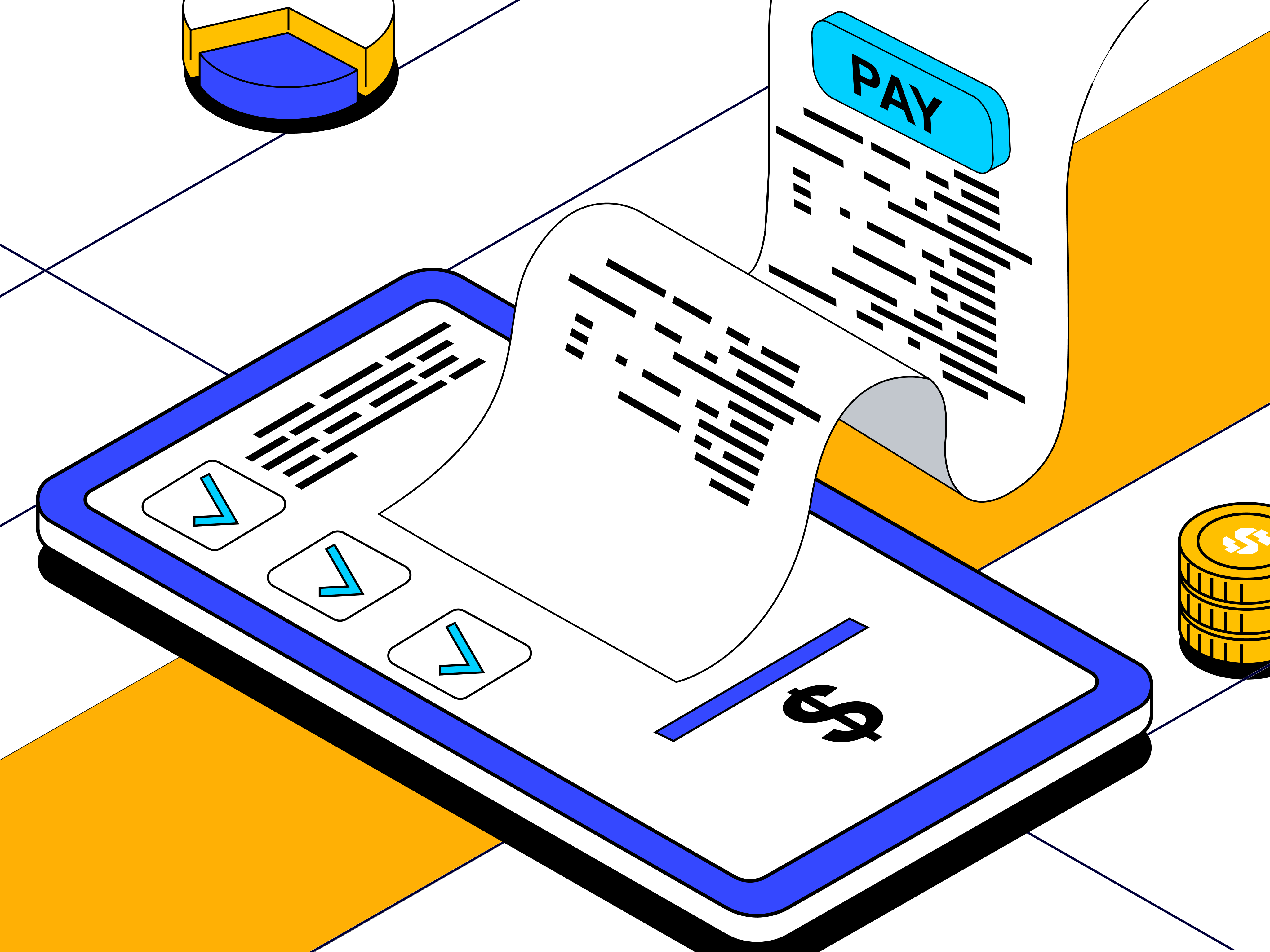
Most teams talk about e-invoicing like it is a faster way to send an invoice. This, in our opinion, is a mistake.
E-invoicing is a change in how invoices become valid, how invoice data moves through your systems, and how quickly errors become expensive. In many countries, invoice data is no longer only for your buyer and your auditor. It is also for a regulator, on the regulator’s timeline.
If you are a CFO, this is not an AP productivity project. It is a controls and operating-model project.
What is e-invoicing
An e-invoice is an invoice issued and received in a structured digital format that computers can read and validate automatically.
A PDF is a document for humans. It can be emailed, stored, and approved, but it still needs humans or OCR to turn it into usable data.
An e-invoice is the data itself.
If you want a strict rule of thumb:
- If your process depends on someone reading a PDF to key in fields, you are not doing e-invoicing.
- If your systems can validate fields, reject errors, and post entries with minimal manual handling, you are in e-invoicing territory.
The three e-invoicing models that matter to CFOs
You can group most regimes into three operating models. The model determines your risk and your design.
Network exchange
Invoices move through a governed network that enforces format and addressability. The finance impact is better standardisation across vendors and customers, but you still need strong data quality upstream.
Clearance and CTC style regimes
Invoice data is validated by a government platform, sometimes before the invoice is treated as legally valid. Rejections here are not admin. A rejected invoice can delay revenue, delay customer payment cycles, or delay vendor settlement.
Post-audit reporting
You issue invoices normally, but you must report structured invoice data within defined timelines. This looks simpler, but weak monitoring creates silent exposure.
A CFO decision: you do not implement e-invoicing once. You implement an operating system that stays current as rules and formats evolve.
How an e-invoicing system works in practice
A typical e-invoicing setup has four layers.
Source of truth
Your ERP, billing system, or order management system is where invoice fields originate.
Data standardisation
Fields are mapped into a structured schema. This is where you discover painful truths about master data.
Validation and enrichment
Rules are applied before you submit or transmit. Examples include buyer tax IDs, tax rates, location codes, item codes, invoice series rules, and reference integrity.
Submission and evidence
The invoice is transmitted to the network or portal and you receive acknowledgements. Those acknowledgements become part of your audit trail.
If you want a CFO lens, the entire system exists to answer two questions every day:
- Can we issue and receive invoices without blocking cash and operations?
- Can we prove the integrity of what happened without reconstruction?
Why e-invoicing should matter to a CFO
Invoice validity becomes a control point
In stricter regimes, an invoice is not “done” because your team clicked send. It is done when the required validations and acknowledgements exist.
That shifts invoice issuance from a finance activity to a control checkpoint that can stop revenue and payments.
Data quality becomes a financial risk, not a hygiene topic
E-invoicing exposes weak master data fast. Typical failure causes:
- wrong buyer identifiers
- mismatched addresses and location codes
- invalid tax rates or exemptions
- missing purchase order or contract references
- item master inconsistencies
- duplicate numbering patterns
Every one of these creates downstream work. Some create fines. Many create cash delays.
Audit trail quality becomes measurable
With e-invoicing, you can move from “we believe this happened” to “here is the evidence chain”. That reduces audit friction and makes disputes easier to resolve.
Working capital improves when exceptions shrink
The CFO benefit is not the headline that invoices are faster. It is that exceptions reduce, matching improves, and dispute cycles shorten.
That translates into better predictability in DSO and fewer late payment escalations with strategic customers.
E-invoicing is upstream infrastructure for continuous close
Most finance teams cannot close faster because upstream data is messy.
Structured invoice data tightens one of the biggest leak points. When invoices are clean, reconciliations stop being detective work. Close becomes a review process, not a rescue operation.
How to generate an e-invoice without turning it into a tech science project
CFOs do not need a tutorial. CFOs need a controllable workflow.
A practical, governable flow:
- Generate invoice in ERP or billing system
- Validate fields against rules before submission
- Convert to the required structured format
- Submit via network or portal
- Capture acknowledgements and store evidence
- Post accounting entries with traceability back to the invoice and acknowledgement
- Monitor failures, rejections, and timeouts with clear owners
Audit trail explained with a CFO-usable sample
What is an audit trail
An audit trail is a time-ordered record of events and changes that proves who did what, when it happened, and what evidence exists.
What a good e-invoicing audit trail includes
- invoice creation event and source system ID
- validation results and error codes
- submission event and submission ID
- acceptance or rejection status
- acknowledgement reference and timestamps
- any amendments, cancellations, or resubmissions
- ledger posting reference
What to look for in electronic invoicing software
Avoid feature bingo. Ask questions that prevent future firefights.
Coverage and change management
- Which countries and formats are supported
- How regulatory updates are handled
- How quickly new validations can be deployed
Validation depth
- Field-level and cross-field validations
- Duplicate detection
- Handling of cancellations and corrections
ERP integration
- Standard connectors vs brittle custom code
- Bi-directional status updates back into ERP
- Resilience and retry behaviour
Controls and governance
- Role-based access
- Approval workflows for exceptions
- Segregation of duties
- Immutable logs
Monitoring
- Live dashboards for status and rejections
- Alerts with clear ownership
- SLA tracking for submission and acceptance
Archiving
- Evidence retention aligned to local requirements
- Fast retrieval for audits and disputes
Accounts payable automation software can help, but it does not substitute for strong e-invoicing controls. Automating a broken input just produces faster errors.
CFO checklist for e-invoicing readiness
Step 1. Scope what is in and out
- entities and countries
- B2B, B2G, and cross-border flows
- invoices, credit notes, debit notes, cancellations
Step 2. Fix master data before you integrate
- buyer and supplier identifiers
- addresses and location codes
- tax configuration rules
- item masters and classification
Step 3. Define the operating model
- who owns rule changes
- who owns monitoring
- who owns exception resolution
- who signs off on go-live changes
Step 4. Design exceptions like a first-class workflow
- rejection handling and resubmission
- dispute and correction flows
- cut-off rules for month-end
Step 5. Make success measurable
Track these weekly:
- rejection rate and top causes
- time to acceptance or clearance
- match rate and exception backlog
- disputed invoice value
- close blockers linked to invoicing
Where Bluecopa fits
E-invoicing improves the quality and timeliness of invoice data. Bluecopa is built to turn strong inputs into stronger finance outcomes.
- Better structured invoices reduce matching friction.
- Cleaner invoice references make reconciliations faster and more reliable.
- Strong trails and approvals make controls audit-ready.
- Reliable upstream data enables a close that is continuous, not crisis-driven.
If you are investing in e-invoicing, the best payoff is not only compliance. It is using that compliance-grade data to build a finance function that closes faster, catches issues earlier, and runs with fewer surprises.

.png)
.png)
