

Key Takeaways
- Retail bank reconciliation is harder than standard bank reconciliation because cash reaches the bank through several channels (POS, card processors, marketplaces, cash deposits) on different timelines, not as one clean deposit per sale.
- The core process is still the same five moves: pull the data, segment it by payment method, match deposits to batches rather than individual transactions, investigate variances against a materiality threshold, and get preparer/reviewer sign-off.
- Most "reconciliation breaks" in retail are not errors, they are timing and fee gaps: batch settlement lag, processor fees netted before payout, marketplace commissions, and chargebacks that hit the bank days after the original sale.
- A single store with one payment method can reconcile in a spreadsheet. Multiple stores, multiple processors, or thousands of transactions a day cannot, without the exception queue quietly growing every period.
- The retail-specific KPIs worth tracking are percentage of deposits auto-matched, average days to clear an exception, and aging of unresolved variances past 30 days.
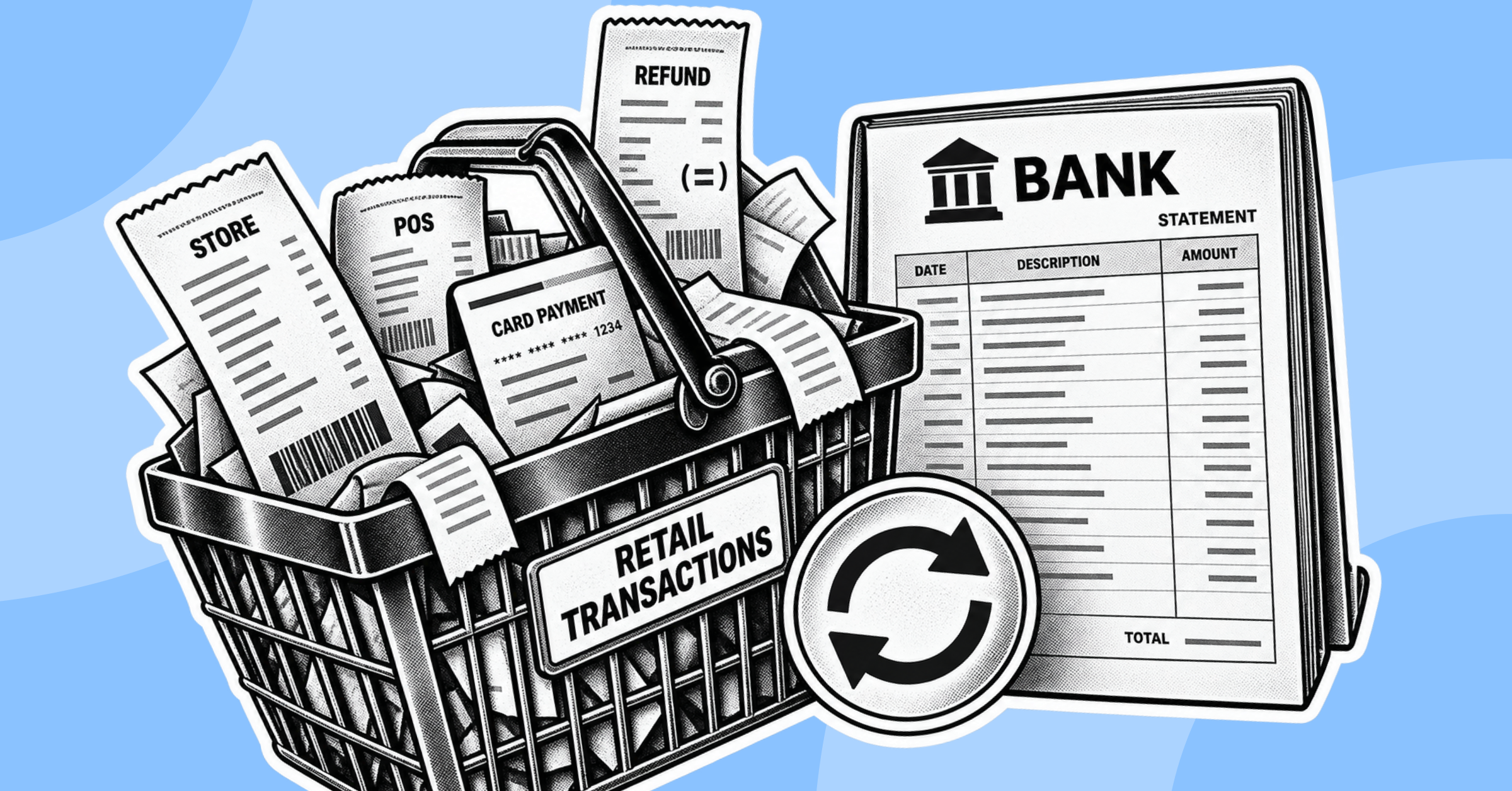
Retail is one of the few industries where a single day of sales can hit the bank in six or seven different ways: a card batch from the in-store terminal, a payout from Shopify or Amazon net of commission, a Buy Now Pay Later settlement, a cash deposit from the till, and a chargeback reversal from three weeks ago, all landing on different days. Reconciling that against the general ledger takes the same core process as any bank reconciliation, matching book to bank and explaining every difference, but it takes real retail-specific handling to do it without a permanent backlog of unexplained variances.
A quick overview: what makes retail bank reconciliation different from a standard reconciliation, the step-by-step process adapted to a multi-channel payment mix, the exceptions that show up specifically in retail, the controls and KPIs worth tracking, and where manual reconciliation stops scaling.
What Makes Bank Reconciliation Different in Retail
A standard bank reconciliation assumes something retail rarely has: a deposit that matches a sale, dollar for dollar, on close to the same day. Retail breaks that assumption in a few consistent ways.
- Multiple payment channels per store. A single location can take card payments through an in-store terminal, cash at the register, gift cards, and increasingly a Buy Now Pay Later option, each settling to the bank through a different rail and on a different schedule.
- Batch settlement instead of transaction-level deposits. Card processors rarely deposit one sale at a time. They aggregate a day's card sales into a batch and settle it one to three business days later, so the bank line for "card sales, Tuesday" often corresponds to Monday's till, not Tuesday's.
- Marketplace and payment-platform deductions. If any volume runs through Shopify Payments, Amazon, or a similar platform, the payout that hits the bank is already net of commission, referral fees, and sometimes shipping or advertising charges, so gross sales in the POS almost never equal the deposit.
- Cash handling on top of digital rails. Physical retail still banks cash, and cash deposits carry their own variance source: till shortages and overages from manual handling, counting errors, or timing between when cash is counted and when it is actually deposited.
- Chargebacks and disputes landing weeks later. A card dispute can reverse a sale from the bank side a full billing cycle after the original transaction posted to the GL, showing up as an unexplained debit with no obvious link back to the original sale unless it is tagged well.
- Multi-store, multi-bank-account structure. Retail chains and franchises frequently run reconciliation across dozens or hundreds of store-level bank accounts feeding into one entity's books, multiplying the volume of the same reconciliation problem rather than changing its nature.
None of this makes retail reconciliation a different discipline. It makes the matching step the hard part, because the reconciler is matching net, delayed, aggregated bank lines against gross, same-day POS and GL entries, not comparing two numbers that were always going to be equal.
The Retail Bank Reconciliation Process, Step by Step
The mechanics below are the same five-step logic behind any bank reconciliation, adapted for a retail payment mix instead of a single deposit stream.
- Pull both sides of the data for the period. Export the bank statement (or connect a live feed) and pull the POS or ecommerce platform's sales report broken down by payment method for the same window, along with the GL cash and revenue accounts.
- Segment sales by payment channel before trying to match anything. Split the POS report into cash, card, gift card, BNPL, and marketplace sales. Trying to match a blended sales total against a blended bank feed is where most manual reconciliations go wrong from the first step.
- Match deposits to batches, not individual sales. For card and marketplace channels, match the settled batch or payout amount to the corresponding group of POS transactions for that settlement window, accounting for the one-to-three-day lag rather than expecting same-day amounts to tie out.
- Reconcile net deposits back to gross sales using the fee and deduction detail. Pull the processor or marketplace's settlement report to see the fees, commissions, refunds, and reserve holdbacks subtracted before payout, and book those as separate GL entries instead of leaving a gap labeled "processor difference."
- Reconcile cash separately against till counts and deposit slips. Match the cash actually deposited to the till reconciliation for that day, and flag shortages or overages as their own exception line rather than folding them into the card-side variance.
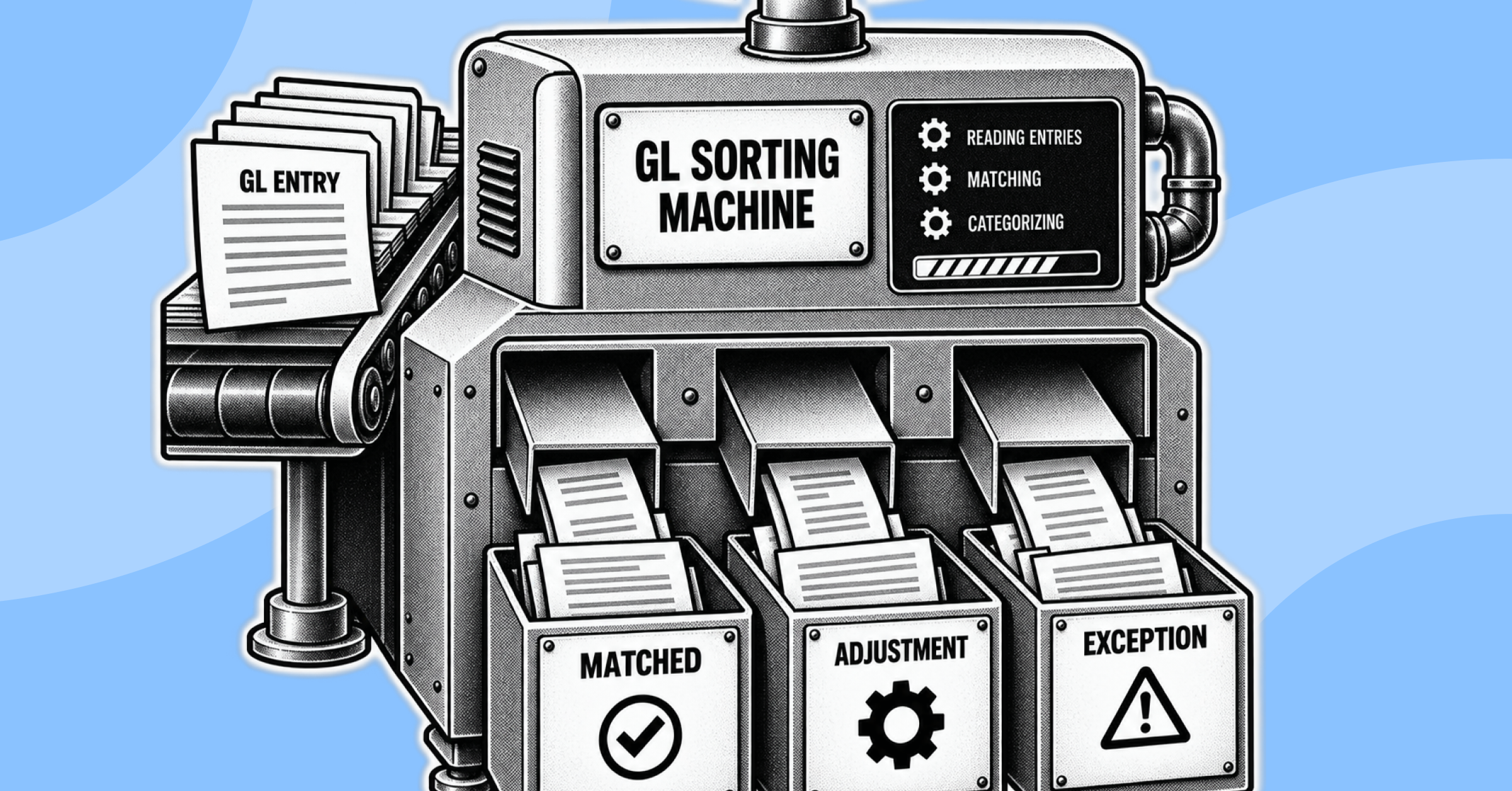
- Investigate everything that doesn't match against a materiality threshold, prioritizing by dollar size and age rather than working the list in transaction order.
- Post adjusting journal entries for legitimate reconciling items (fees, chargebacks, bank charges, timing differences) and document the resolution for anything cleared manually.
- Route the reconciliation for review and sign-off by someone other than the preparer, closing out the period with a documented, audit-ready trail rather than a cleared balance with no supporting detail.
Common Retail Reconciliation Exceptions and How to Resolve Them
Most exceptions in a retail bank reconciliation fall into a short, recurring list. Building a standard resolution path for each one is what keeps the exception queue from growing every period.
- Unmatched card batches: the deposit lands but doesn't tie to a specific day's POS sales. Resolve by matching against the processor's settlement report (not the POS report alone), which shows exactly which sales window the batch covers.
- Processor and marketplace fees: the deposit is smaller than the sale total for reasons that have nothing to do with an error. Resolve by booking the fee detail from the settlement report as its own GL line, so the reconciliation shows a fee entry, not an unexplained shortfall.
- Chargebacks and disputes: a reversal hits the bank with no obvious link to the original sale. Resolve by tagging the original transaction with a reference ID at the point of sale so a later chargeback can be traced back automatically instead of investigated manually.
- Till shortages and overages: cash deposited doesn't match the till count for the day. Resolve by reconciling cash against the store-level till report first, separately from card and marketplace channels, so a genuine shortage isn't buried inside a larger blended variance.
- Refund and return timing gaps: a return processed in the POS on one day doesn't hit the bank as a reversal until the next settlement cycle. Resolve with an aging rule that expects a return to clear within the processor's normal settlement window before flagging it as a real exception.
- Rolling reserve holdbacks: some processors withhold a percentage of payouts as a reserve against future disputes, especially for higher-risk retail categories. Resolve by tracking the reserve balance as its own line rather than letting it read as a permanent, unexplained gap between sales and deposits.
Controls and KPIs for Retail Bank Reconciliation
A retail reconciliation process holds up under audit when it is built around the same controls as any other cash reconciliation, applied consistently across every store and channel.
- Segregation of duties. The person preparing the reconciliation should not be the same person approving it, a standard control expectation regardless of industry or transaction volume.
- A documented materiality threshold, so investigation time goes to the variances that matter rather than being spread evenly across a $4 rounding difference and a $4,000 unmatched batch.
- An aging policy on open items. Anything unresolved past 30 days is the most common finding auditors flag in a bank reconciliation, and retail's transaction volume makes it easy for small items to accumulate unnoticed.
- Consistent store-to-entity mapping, so a multi-location chain can trace any bank line back to the specific store and channel it came from, not just the consolidated entity total.
Three KPIs are worth tracking on an ongoing basis rather than only reviewing at close: the percentage of deposits matched automatically without manual intervention, the average number of days it takes to clear a flagged exception, and the count and dollar value of items still open past 30 days. A reconciliation process that is actually working shows the first number rising and the other two falling over time.
When Manual Retail Reconciliation Stops Scaling
A single store with mostly card and cash sales can run this process in a spreadsheet without much strain. The math changes fast once any of the following applies: reconciliation runs across more than a handful of store-level bank accounts, monthly transaction volume moves into the thousands, more than two or three payment channels are active at once, or the business operates through a shared services center or GCC handling reconciliation for stores or entities it doesn't sit next to.
At that point, the bottleneck isn't the logic of the process, it's the manual work of pulling settlement reports from several processors, matching them line by line against POS and GL data, and manually tracing every chargeback back to its original sale. That is exactly the kind of high-volume, multi-source matching problem covered in more detail in Bluecopa's industry spotlight on retail and ecommerce finance operations.
How Bluecopa Helps Retail Finance Teams Reconcile at Scale
Bluecopa's reconciliation platform is built for exactly the kind of multi-source, high-volume matching retail reconciliation requires, connecting POS, processor, marketplace, and bank data instead of treating each channel as a separate manual pull.
- Samyx Recon matches bank, POS, and processor transactions automatically using hybrid fuzzy and deterministic matching at 5M+ records per hour, built for the batch-and-fee matching problem retail reconciliation is fundamentally about, not one-to-one transaction matching.
- Samyx Extract pulls structured data directly from bank statements and processor settlement reports with line-level provenance, so fee, commission, and chargeback detail is captured automatically instead of read manually off a PDF.
- Samyx Build enforces preparer/reviewer approval workflows and policy-as-code thresholds, so segregation of duties and materiality rules are applied consistently across every store and entity, not just the ones someone remembers to check.
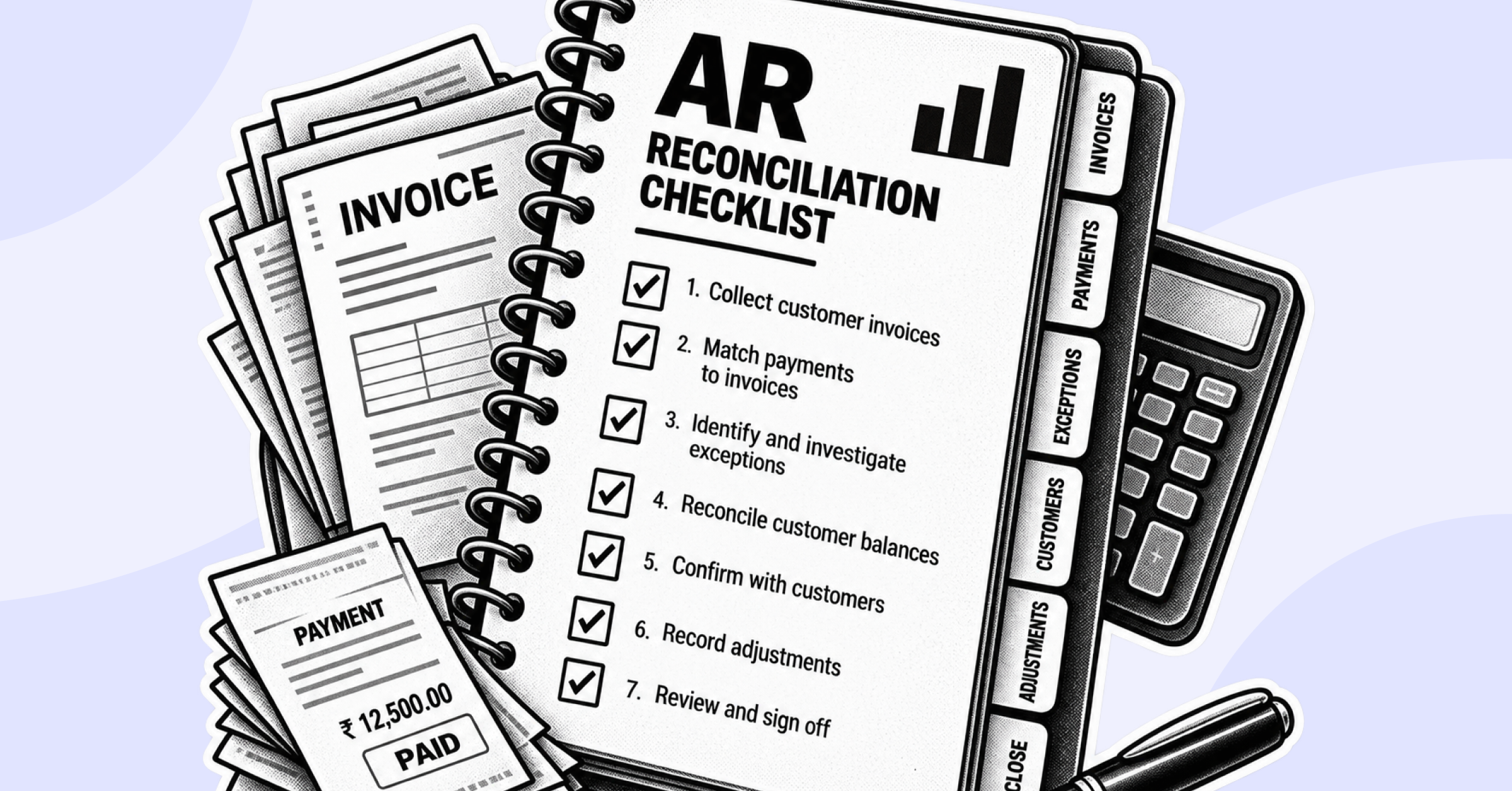
Retail and ecommerce businesses running high transaction volume across multiple stores, channels, or a shared services structure have seen the impact directly: Yatra achieved 7x faster AR reconciliation and a 90% faster month-end close after automating reconciliation on Bluecopa, and HackerEarth cut reconciliation errors by 60%. This fits enterprise retail, ecommerce, and GCC finance teams running multi-entity, multi-channel reconciliation at real volume, not a single-location business reconciling one bank account by hand.
Related reading: ecommerce payment reconciliation software, bank reconciliation software, and a bank reconciliation template for teams still running this process in a spreadsheet.
Frequently Asked Questions
1. How is retail bank reconciliation different from standard bank reconciliation?
The core matching logic is the same, but retail cash arrives through several channels (POS, card processors, marketplaces, cash) on different timelines and net of different fees, instead of as one clean deposit per sale.
2. Why doesn't my card processor deposit match my daily sales total?
Card processors settle in batches one to three business days after the sale and deduct processing fees before payout, so the deposit is both delayed and net of fees rather than equal to gross daily sales.
3. How do I reconcile marketplace payouts like Shopify or Amazon?
Match the payout to the underlying sales using the platform's settlement report, which itemizes commission, referral fees, and any other deductions taken before the payout hit the bank, rather than trying to match gross sales directly.
4. How should I handle chargebacks in bank reconciliation?
Tag the original sale with a reference ID at the point of transaction so a chargeback landing weeks later can be traced back automatically, and book it as its own reconciling item rather than an unexplained debit.
5. How often should a retail business reconcile its bank accounts?
Monthly at minimum, aligned with close, but high-volume, multi-channel retailers benefit from reconciling weekly or continuously so exceptions get caught and resolved before they age past 30 days.
6. Can retail bank reconciliation be automated?
Most of it can, particularly matching batches to sales and pulling fee and chargeback detail from settlement reports. Genuine exceptions, like a real till shortage, still need human investigation.