

Key Takeaways
- Reconciliation automation is not a standalone project. It only strengthens the financial close when matched balances, exception queues, and certifications feed directly into the close checklist.
- Bank, GL/balance sheet, intercompany, and subledger-to-GL reconciliations each carry different risk and volume profiles, and each determines a different part of close speed.
- A repeatable automation sequence, connect data, standardize records, configure matching rules, apply AI matching for complex cases, route exceptions, and certify with an audit trail, works across account types and entities.
- Internal controls (segregation of duties, materiality thresholds, override reason codes) need to be built into the automated workflow, not layered on afterward.
- A phased rollout, starting with high-risk accounts and expanding by entity, is safer and more measurable than a big-bang implementation across the full chart of accounts.
- Exception-based reconciliation is the bridge between periodic close and continuous close: when only genuine variances need review, close can run daily instead of once a month.
Enterprise finance teams rarely lose close-cycle days to reconciliation itself. They lose them to what happens around reconciliation: exports into spreadsheets, manual tie-outs across bank, GL, and subledger data, and exception chasing that stalls sign-off. Automating reconciliation for financial close means designing the match, exception, and certification workflow so it plugs directly into the close checklist, not building a faster spreadsheet.
This guide covers how to automate reconciliation for financial close step by step, which reconciliation types matter most for close speed, the controls an auditor will expect around an automated process, and how to roll it out across a multi-entity close cycle without disrupting the current period.
What Reconciliation Automation Means for the Financial Close Process
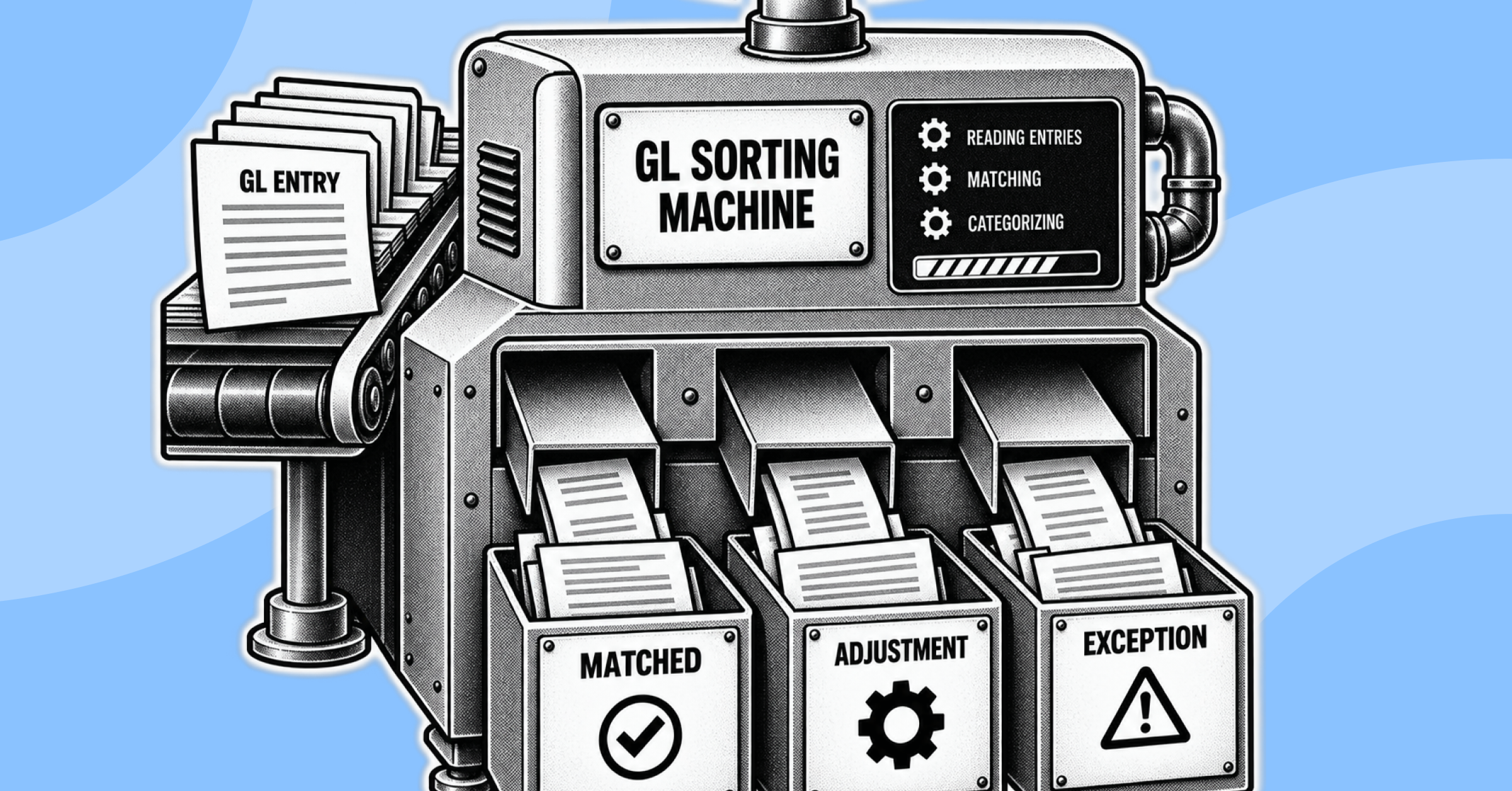
Account reconciliation automation replaces manual matching, spreadsheet tie-outs, and email-based sign-off with a system that ingests transaction data from banks, ERPs, and subledgers, applies matching logic, and routes only genuine exceptions to a preparer or reviewer. The output is not just a matched statement. It is a reconciliation status, cleared, in exception, or certified, that the close process can read directly.
That distinction matters. A team can automate matching and still run a manual close if the reconciliation output never reaches the close checklist. Automating reconciliation for financial close requires that matched balances, open exceptions, and certification timestamps become inputs to close status tracking, not a separate system that finance has to check manually before marking a task complete.
Why Manual Reconciliation Weakens the Financial Close
Manual reconciliation slows the close cycle in three specific ways. First, preparers spend disproportionate time on high-volume, low-risk transactions (routine payment matching, standard journal ties) instead of the handful of accounts that carry real risk. Second, reconciliation status lives in spreadsheets or email threads that close managers cannot see in real time, so a controller often does not know an account is unreconciled until close day. Third, manual sign-off leaves a thin audit trail: a screenshot or an emailed approval rather than a timestamped, reason-coded record of who reviewed what and why.
For enterprise and multi-entity organizations, these problems compound. A shared services or GCC team reconciling dozens of entities on staggered calendars cannot rely on manual status checks to know which entities are close-ready. The close deadline effectively becomes hostage to the slowest manually reconciled account, which is why account reconciliation automation is usually the first lever finance teams pull when trying to compress close timelines.
Reconciliation Types That Determine Close Speed and Accuracy
Not every reconciliation carries equal weight in the close calendar. Four types most directly determine how fast and how accurately a close can run:
- Bank reconciliation: ordinarily the highest transaction volume and the most standardized matching logic, making it a strong first candidate for automation. For a deeper walkthrough of matching rules and exception handling specific to bank statements, see how to automate bank reconciliation.
- GL and balance sheet reconciliation: ties general ledger balances to supporting schedules and is usually the last gate before sign-off, so delays here directly delay close.
- Intercompany reconciliation: matches transactions between related entities and is often the single biggest source of close delay for multi-entity organizations, because mismatches require coordination across two (or more) sets of books before either side can certify.
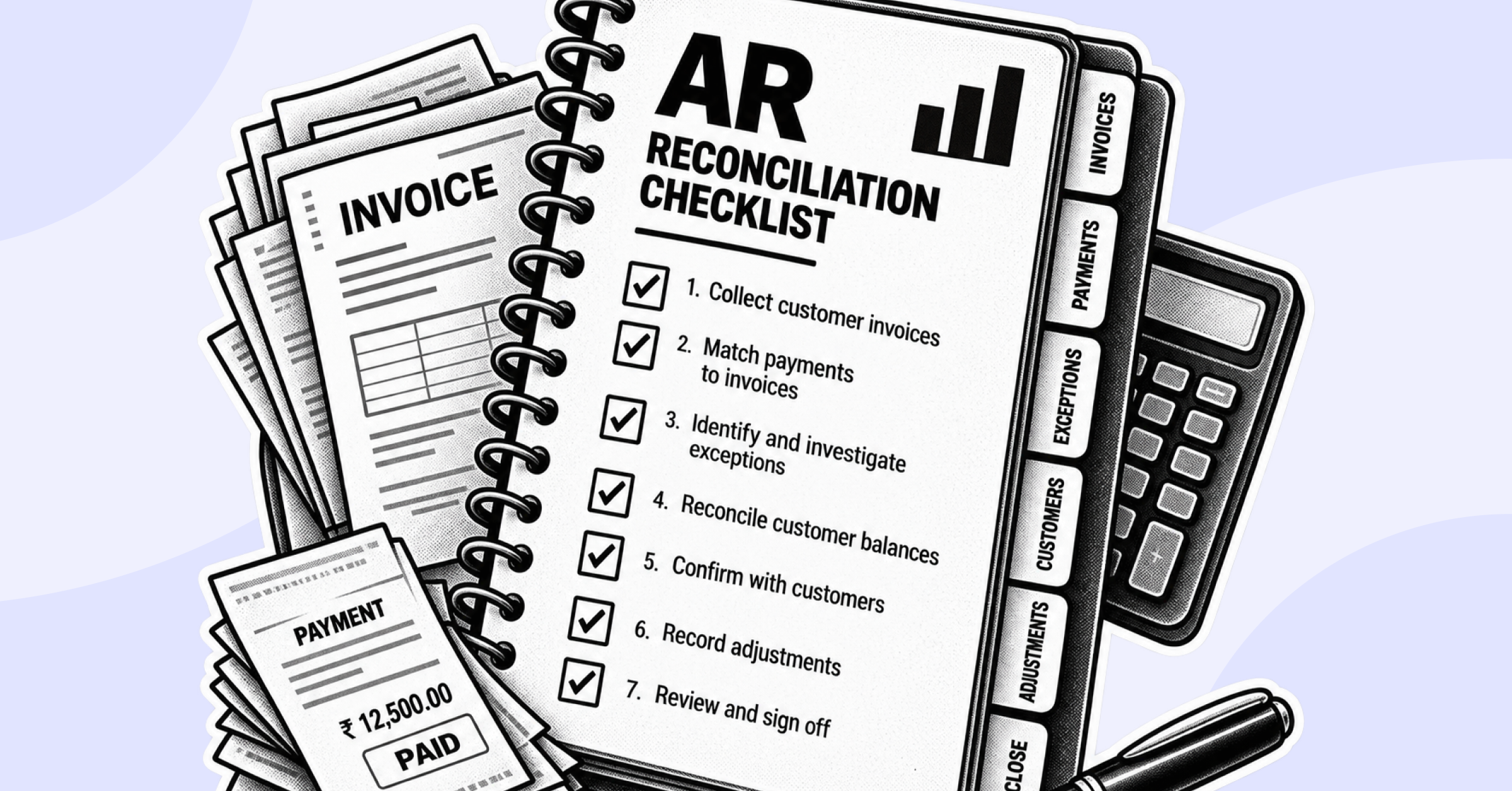
- Subledger-to-GL reconciliation: confirms that AR, AP, and fixed asset subledgers agree with the general ledger, catching posting errors and timing differences before they surface in reported balances.
Balance sheet reconciliation automation and intercompany reconciliation automation tend to deliver the largest close-time reduction because they sit closest to the certification step, while bank and subledger automation reduce the daily preparer workload that otherwise consumes staff time before close even begins.
How to Automate Reconciliation Step by Step
The sequence below applies across bank, GL, intercompany, and subledger reconciliations. The account type changes the data sources and matching rules; the workflow stays the same.
- Connect data sources. Integrate bank feeds, ERP general ledger data, and subledger systems (AR, AP, fixed assets) so transaction data flows in on a scheduled or continuous basis rather than through manual export and upload.
- Standardize and normalize records. Bring disparate formats, date conventions, currency codes, and reference numbers into a common structure so matching logic can compare like with like across systems and entities.
- Configure matching rules. Set deterministic rules for the majority of transactions: exact amount and reference match, one-to-many splits, date-tolerance windows, and known recurring items.
- Apply AI matching for complex cases. Route transactions that deterministic rules cannot resolve, partial payments, renamed counterparties, timing mismatches, to AI-driven matching that learns from historical resolution patterns.
- Route exceptions with ownership and SLAs. Send unresolved items to the correct preparer automatically, with a due date and escalation path, instead of leaving them in a shared spreadsheet with no clear owner.
- Certify with an audit trail. Require a reviewer sign-off that is timestamped and logged, with reason codes captured for any manual override, before an account is marked reconciled.
This sequence is what separates automate financial close process initiatives that actually shorten the calendar from ones that just move the same manual work into a new tool.
Rules-Based vs. AI-Driven Matching for Reconciliation Automation
Deterministic, rules-based matching handles the majority of transaction volume efficiently: exact matches, known splits, and predictable recurring items follow fixed logic and need no judgment. AI-driven matching earns its place on the remainder, the transactions where reference numbers do not align, timing differs across systems, or a payment has been partially applied. A hybrid model, rules for volume and AI for exceptions, generally produces the highest match rates without requiring every transaction to pass through manual review.
This topic deserves more depth than fits here. For a full breakdown of matching architecture, tolerance settings, and how to decide where rules end and AI should take over, see how to automate bank reconciliation, which covers the mechanics in detail using bank data as the example.
Connecting Automated Reconciliation to a Faster Financial Close
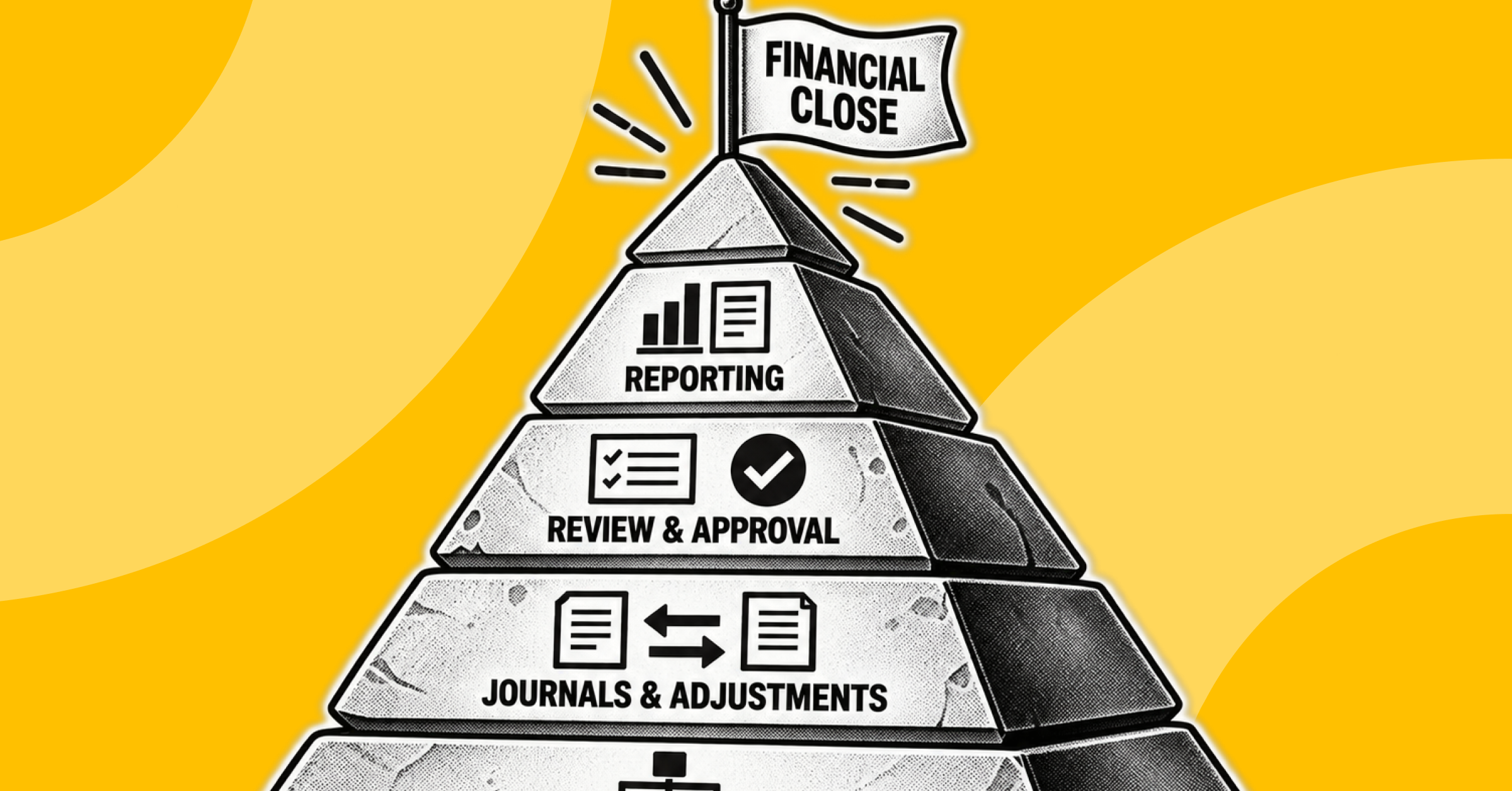
Reconciliation automation only shortens the close cycle when its output is wired directly into three close activities.
Close checklist completion. When an account reconciliation is certified, that status should automatically mark the corresponding close checklist task complete, rather than requiring a preparer to separately update a close management tool. This removes the lag between "reconciliation done" and "close task visible as done," which is often a full day or more in manually tracked closes.
Variance analysis. Matched and cleared balances give variance analysis a clean starting point: analysts can focus on real period-over-period movement instead of first figuring out whether a variance is a genuine business change or an unreconciled timing difference. AI-assisted variance and trend analysis (the kind Bluecopa's Samyx Narrate applies to close data) works best when it is reading reconciled, exception-flagged balances rather than raw, unreviewed ledger data.
Certification timing. Exception-based reconciliation means only accounts with open items need manual attention before sign-off; everything else has already cleared automatically. That shifts certification from a single end-of-period event to a rolling activity that happens as each account clears, which is the mechanism that compresses days-to-close.
This connection, reconciliation status flowing directly into checklist, variance, and certification, is what separates reconciliation automation as a point tool from reconciliation automation as a close accelerator.
Internal Controls and Audit Trail Requirements for Automated Close Reconciliation
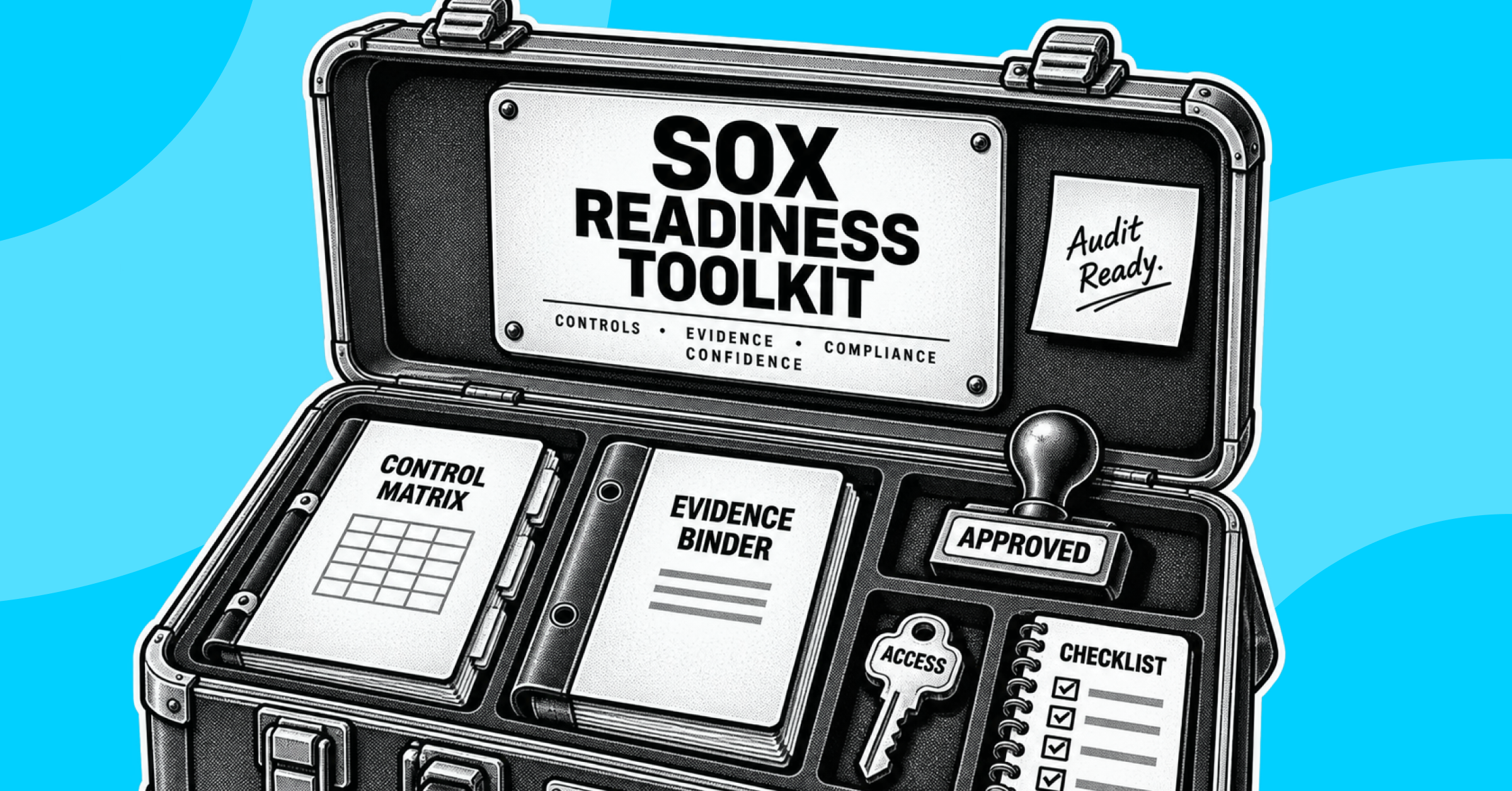
Automating reconciliation does not remove the need for controls; it changes where they need to be enforced. At the close-signoff level, three requirements matter most:
- Segregation of duties. The system should enforce that the person preparing a reconciliation cannot also certify it, with permissions configured at the workflow level rather than relying on manual process discipline.
- Materiality thresholds. Automated matching should apply configurable materiality thresholds so that immaterial variances clear automatically while anything above threshold routes for review, keeping reviewer attention on items that actually matter to the close.
- Override reason codes. Any manual override of an automated match or exception status should require a structured reason code, logged with a timestamp and the reviewer's identity, so auditors can trace every departure from the standard matching logic.
Policy-as-code controls, where approval thresholds, segregation of duties, and materiality rules are configured directly into the workflow (the approach Bluecopa's Samyx Build applies), keep these requirements enforced automatically rather than depending on preparers remembering to follow them.
How to Implement Reconciliation Automation Across the Close Cycle
A phased rollout reduces risk and gives finance leadership evidence before expanding scope:
- Assess the current close cycle. Map which reconciliations exist, how long each takes, and where delays concentrate, typically intercompany and complex GL accounts.
- Prioritize high-risk accounts first. Start automation with the accounts that carry the highest transaction volume or the greatest audit risk, such as intercompany or bank accounts, rather than automating the entire chart of accounts at once.
- Configure and run in parallel. Run the automated process alongside the existing manual process for at least one close cycle to validate match rates and exception accuracy before relying on it fully.
- Expand entity and account scope. Once parallel testing confirms accuracy, extend automation to additional entities, subsidiaries, and account types on a defined schedule.
- Measure close-cycle KPIs. Track days-to-close, percentage of accounts reconciled automatically, exception volume, and time-to-certification to confirm the rollout is actually compressing the close, not just changing the tooling.
This phasing matters more for enterprise and shared-services organizations than for a single-entity business, because a failed parallel test on one entity should never block certification for entities that are already validated.
From Automated Reconciliation to Continuous Close
Reconciliation automation is the foundation continuous close is built on, not a separate initiative. Once most transactions clear through rules and AI matching with only genuine exceptions requiring review, there is no structural reason to wait until period-end to reconcile: accounts can be matched and certified as data arrives, spreading the workload across the month instead of compressing it into a handful of close days. This is the operating model behind continuous close: close activities run continuously through the period, and period-end becomes a confirmation step rather than the point where all the work happens.
How Bluecopa Automates Reconciliation for a Stronger Financial Close
Bluecopa is an AI-native finance operations platform built on SamyxAI, unifying Order-to-Cash, Procure-to-Pay, and Record-to-Report, including reconciliation, continuous close, and journal automation, on a single data layer. That unification matters for reconciliation specifically: instead of pulling bank, ERP, and subledger data through separate point tools, matching and exception data live in one system that close management can read directly.
Samyx Recon processes more than 5 million records per hour with 97 to 99 percent matching accuracy, using a hybrid model that applies deterministic rules to standard transactions and AI matching to complex cases such as partial payments or renamed counterparties. Samyx Extract pulls transaction data from PDFs and spreadsheets with line-level provenance, so source documents remain traceable back to each matched line. Samyx Build enforces policy-as-code controls, approval thresholds, segregation of duties, and audit logging, directly in the reconciliation workflow rather than as a separate compliance layer. Samyx Narrate applies AI-assisted variance analysis on top of reconciled balances, surfacing trends that would otherwise require manual investigation.
Two enterprise proof points illustrate the effect on close cycles. Yatra achieved 7x faster AR reconciliation, a 90 percent faster month-end close, and an 80 percent reduction in manual reconciliation work after automating with Bluecopa. HackerEarth reduced reconciliation errors by 60 percent. Bluecopa is built for enterprise, multi-entity, and shared-services finance teams managing high transaction volume, with human-in-the-loop review built into the exception workflow so automation accelerates the close without removing finance oversight from material decisions.
For teams evaluating close management software more broadly, reconciliation automation is typically the highest-impact starting point because it feeds directly into checklist completion, variance analysis, and certification timing across the rest of the close.
Frequently Asked Questions
1. What is reconciliation automation in the context of financial close?
It is the use of software to match transactions across bank, GL, intercompany, and subledger data automatically, then feed the resulting status, matched, exception, or certified, directly into the close checklist so close managers can track readiness in real time rather than checking spreadsheets manually.
2. Which reconciliation type should an enterprise automate first?
Bank reconciliation is usually the fastest to automate because matching logic is standardized and volume is high. Intercompany and balance sheet reconciliation typically deliver the largest close-time reduction because they sit closest to certification, so many enterprise teams automate bank first for quick wins and intercompany next for close-cycle impact.
3. How does exception-based reconciliation shorten the close cycle?
When deterministic rules and AI matching clear the majority of transactions automatically, reviewers only spend time on genuine exceptions instead of re-checking every line. That reduces the volume of manual review right before close, which is usually the biggest bottleneck in a period-end timeline.
4. What controls are required for automated reconciliation to satisfy an audit?
At minimum, segregation of duties between preparer and certifier, configurable materiality thresholds so only meaningful variances require review, and structured reason codes logged against any manual override, each timestamped and attributed to a specific user.
5. Does reconciliation automation replace manual review entirely?
No. Automation clears the high-volume, low-risk matches and routes genuine exceptions to a human reviewer. Materially significant items and overrides still require sign-off, which is why human-in-the-loop review remains part of a well-designed automated workflow rather than a fully unattended process.
6. How is reconciliation automation different from continuous close?
Reconciliation automation is the mechanism (matching, exception routing, certification); continuous close is the operating model it enables. Once most reconciliation happens automatically throughout the period, close activities can run continuously instead of compressing into a period-end crunch.