

Comparing the top 7 best financial close management software tools for finance teams in 2026 includes 1. BlackLine, 2. FloQast, 3. Trintech, 4. Numeric, 5. Bluecopa, 6. HighRadius and 7. OneStream.
Financial close software is the difference between a five-day month-end scramble and a close that runs on schedule every time. If your team is still stitching together spreadsheets, email threads, and manual reconciliations to get the books closed, you are not alone, and you are not stuck. Demand for financial close automation software is climbing fast: the global financial close software market is projected to reach USD 18.5 billion by 2034. This guide breaks down the seven platforms finance teams evaluate most often in 2026, based on official product documentation and verified G2 and Capterra reviews, so you can shortlist the right fit for your close.
What Is Financial Close Software?
Financial close software, also called financial close management software, automates the month-end and quarter-end process of reconciling accounts, managing journal entries, tracking close tasks, and preparing audit-ready documentation. A good month-end close software platform replaces spreadsheet checklists and email-based sign-offs with a centralized system that shows exactly where the close stands at any moment. Finance teams use it to shorten close cycles, reduce reconciliation errors, and give controllers and CFOs real-time visibility into Record-to-Report (R2R) progress. Buyer confidence in the category is high: G2's Financial Close category data shows an average star rating of 4.59/5 across verified reviews.
How We Ranked the 7 Best Financial Close Software Solutions
We spent over 20 hours researching this list, evaluating each vendor's official product documentation, cross-referencing verified reviews on G2, Capterra, and Gartner Peer Insights, and comparing company-size fit against typical financial close buying criteria.
We weighted the following criteria:
- Feature depth for close-specific workflows: reconciliation automation, close task management, journal entry automation, flux and variance analysis
- AI maturity: whether AI features actually reduce manual close work or are a bolt-on layer over rule-based automation
- ERP integration breadth: native connectors to SAP, Oracle NetSuite, Sage Intacct, Microsoft Dynamics 365, and QuickBooks
- Verified user sentiment: G2, Capterra, and Gartner Peer Insights ratings and review volume
- Company-size fit: whether the platform is built for mid-market, enterprise, or both
Side-by-Side Quick Comparison: Financial Close Mangement Softwares
Ratings reflect research conducted in July-August 2026. Verify live figures before publishing.
7 Best Financial Close Automation Softwares to Consider in 2026
1. BlackLine
Best For
Large, multi-entity organizations with dedicated finance-systems teams and the budget for a structured, multi-month rollout of enterprise-grade close and reconciliation automation.
Overview
BlackLine is a cloud-based financial close and accounting automation platform built around its Studio360 data platform and Verity AI layer. It automates account reconciliations, financial close management, transaction matching, and compliance reporting for global enterprises. The platform integrates with major ERP systems to give finance teams centralized visibility, control, and audit readiness across complex organizational structures.
Key Features
- Account Reconciliations: Automates matching and certification of balance sheet accounts across entities.
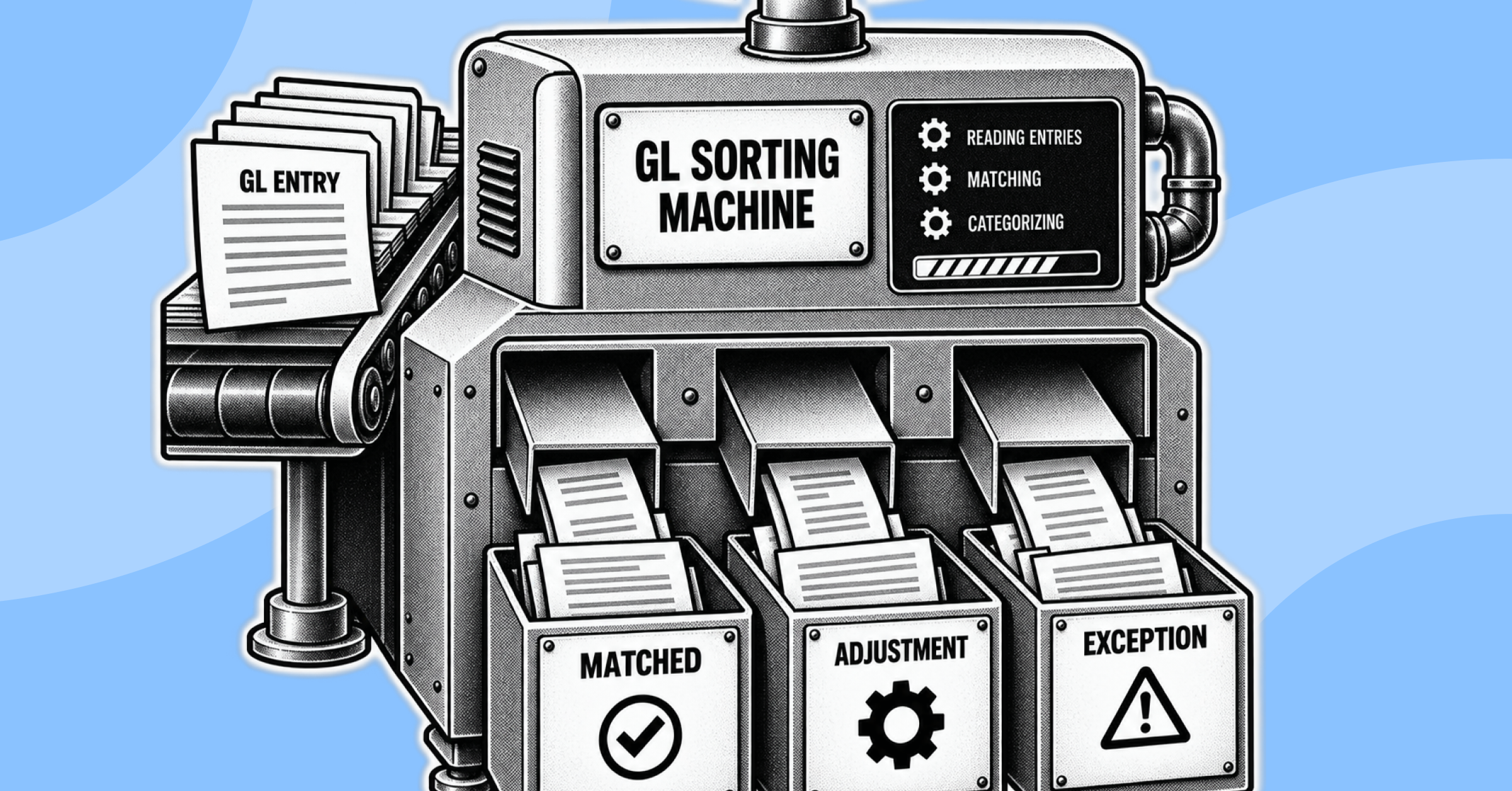
- Transaction Matching: Matches high-volume transactions and flags exceptions for review.
- Task Management: Tracks close checklists, task dependencies, and deadlines from a centralized dashboard.
- Journal Entry Management: Automates journal entry creation, approval, and posting to the ERP.
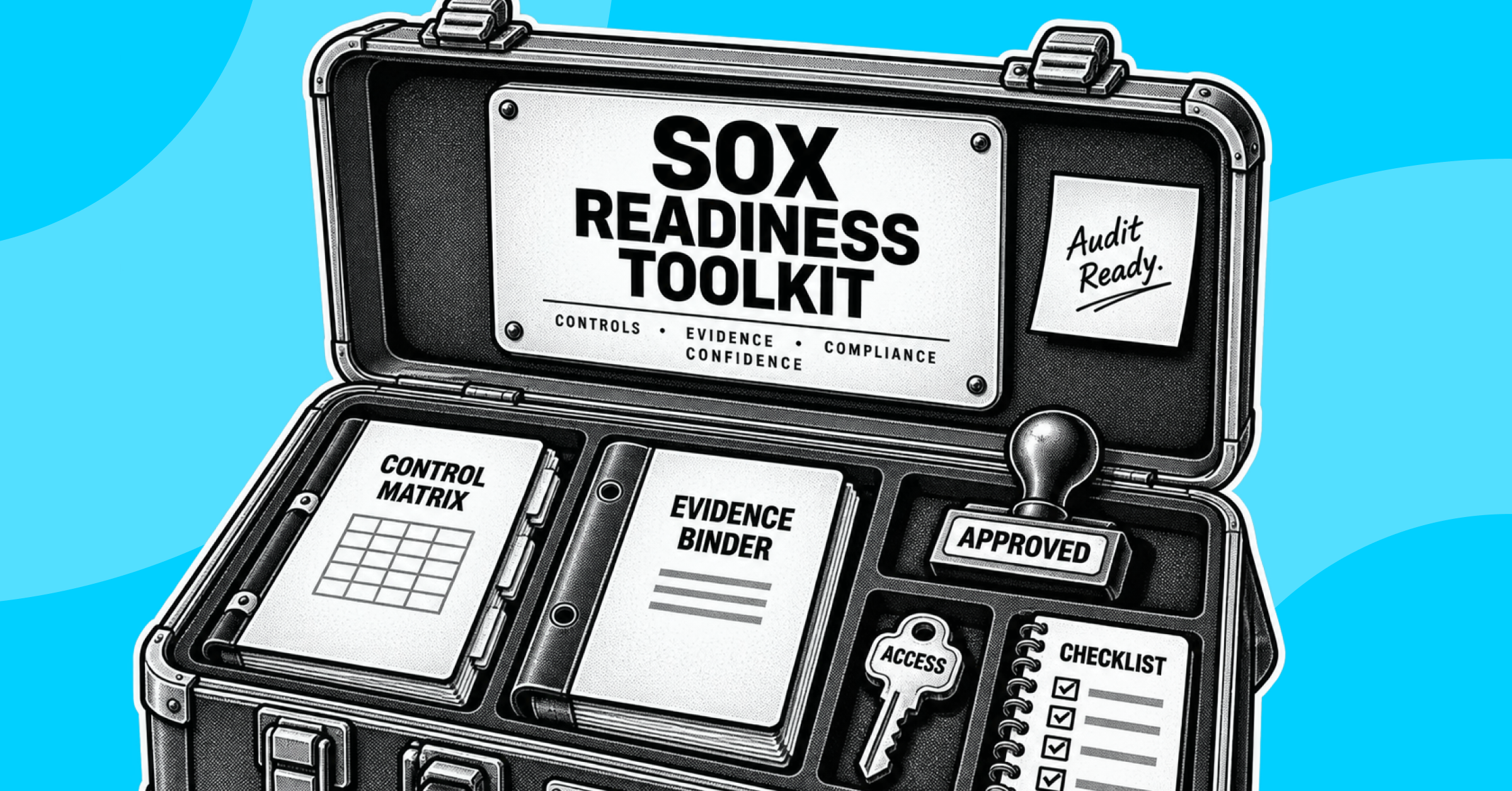
- Compliance and Controls: Supports SOX and audit documentation with built-in workflows and audit trails.
- Studio360 Data Platform: Unifies data ingestion and orchestration across close-related workflows.
- Verity AI: AI layer that assists with anomaly detection and governed automation across reconciliations.
Integrations: SAP, Oracle, Microsoft Dynamics, NetSuite, Workday, and other major ERP and GL systems.
Pros
- Real-time close visibility: "I like the real-time visibility BlackLine Financial Close Management provides into the close process. It clearly shows task status, dependencies, and risks across teams, which reduces manual follow-ups and last-minute issues."
- Standardized workflows and audit trail: "I appreciate the standardized workflows, clear ownership, and built-in audit trail that significantly improve accountability, efficiency, and audit readiness during month-end close."
- Centralizes close activities: "I like BlackLine's ability to centralize close activities, automate reconciliations, improve visibility, and strengthen controls. It reduces manual work, enhances accuracy, and helps teams collaborate efficiently throughout the financial close."
Source: G2
Cons
- Steep setup and training curve: "I dislike that BlackLine can feel complex at first, requiring significant setup and user training. Some configurations take time, and performance may slow with very large datasets."
- Dated UI for some users: Long-time users report the interface can feel click-heavy and less modern than newer entrants, per aggregated review analysis.
Source: G2
Pricing
BlackLine does not publish list pricing. According to third-party benchmarking, contracts average approximately $77,000 per year and range from about $17,500 to $340,000, with implementation and services adding $5,000 to $50,000 or more depending on scope.
2. FloQast
Best For
Mid-market and enterprise accounting teams that want to automate month-end close, reconciliation management, and compliance tracking without disrupting existing Excel-based workflows.
Overview
FloQast is an Accounting Transformation Platform built by accountants for accountants, used by more than 3,000 global accounting teams. It centralizes close checklists, account reconciliations, compliance activities, and team collaboration, pulling General Ledger balances directly from ERP systems to reduce manual data entry during close.
Key Features
- Close Management: Tracks close checklists, task dependencies, and real-time progress from a centralized dashboard.
- Reconciliation Automation: Imports ERP balances automatically and auto-certifies low-risk accounts based on predefined rules.
- AI-Powered Accounting Agents: Automates reconciliations, journal entries, and variance analysis tasks.
- Compliance Management: Supports SOX, SOC 2, ISO, and audit documentation through built-in controls.
- Advanced Finance Operations: Manages fixed assets, intercompany accounting, and multi-entity operations.
- Automated Communication: Sends reminders and status updates to reduce manual follow-ups during close.
Integrations: Microsoft Dynamics, NetSuite, SAP, and other major ERP systems.
Pros
- Fast, easy implementation: "FloQast makes the financial close process smooth and easy. It is so easy to use and implementation was quick. I have used BlackLine and FloQast now and FloQast is so much more modern and easy to use from the admin and user side."
- Strong close visibility and organization: "FloQast centralizes the entire close process, automates reconciliations, and provides real-time visibility into task progress. We've shortened our close timeline, improved accountability, and gained better insight into where bottlenecks occur."
Source: G2
Cons
- Limited transaction-level ERP detail: Reviewers report limited transaction-level detail pulled from ERPs, requiring workarounds for granular investigation.
- Cost for smaller teams: "High cost for smaller teams" is a recurring theme, along with slower data refresh rates during peak close periods.
Source: G2
Pricing
FloQast does not publish list pricing on its website. Contact FloQast directly for a custom quote based on team size and modules.
3. Trintech (Cadency / Adra)
Best For
Trintech serves two distinct tiers: Cadency for large enterprises with complex, multi-ERP reconciliation and close needs, and Adra for mid-market organizations that want governed close automation without an enterprise-scale rollout.
Overview
Trintech has been building reconciliation and close software since 1998. Cadency is its flagship enterprise platform for Record-to-Report processes, including transaction matching, account reconciliation, journal entry, and close task management, with certified integrations across leading ERPs. Adra by Trintech is the cloud-based mid-market counterpart, automating account reconciliations, transaction matching, and journal entries for smaller finance teams that still need audit-grade controls.
Key Features
- Cadency Match: Automates high-volume transaction matching with configurable rules and exception workflows.
- Cadency Certification: Centralizes account reconciliation sign-off and evidence management.
- Cadency Close: Tracks close task status and dependencies across global teams.
- Adra Balancer: Automates account reconciliations for mid-market close processes.
- Universal Connectors: Imports data from virtually any source beyond native ERP certifications.
- Governance and Compliance: Built-in SOX controls and audit trail across both Cadency and Adra.
Integrations: SAP, Oracle, Microsoft Dynamics, and other certified ERP systems, plus custom data sources via Universal Connectors.
Pros
- Centralizes multi-ERP close activity: "What I like best about Cadency by Trintech is it is a centralized platform that allows all my global business partners to perform their month-end activities, as well as processing their entries. As my company has 3 separate ERP systems, Cadency allows us to have 1 system where all the information feeds together."
- Saves time for higher-value work: "Saves time and allows employees to focus on value driving activities."
Source: G2
Cons
- Performance during peak close: "Cadency is often seen as slow during peak periods... I like the flexibility of Cadency that we can see a lot of possibilities but it always have some system limitation prevent us from achieving a truly seamless process."
- Configuration requires vendor support: Configuration changes often require IT or Trintech support involvement, which can create delays during close for the Adra product specifically.
Source: G2
Pricing
Trintech does not publish list pricing for Cadency or Adra. Both are quote-based and scoped to entity count, transaction volume, and module selection.
4. Numeric
Best For
Mid-market and enterprise accounting teams looking for an AI-first financial close solution with strong collaboration, flux analysis, and reconciliation capabilities.
Overview
Numeric is an AI-native financial close platform built to help accounting teams automate reconciliations, manage month-end close, perform variance analysis, and improve collaboration. It places a strong emphasis on AI-assisted accounting workflows, using machine learning to identify anomalies, draft flux explanations, and accelerate the financial close process for banks, fintechs, and mid-market finance teams.
Key Features
- AI-Powered Reconciliations: Automatically matches transactions, reconciles accounts, and syncs financial data in real time.
- AI Flux Analysis: Detects account variances and generates AI-drafted explanations to speed up financial reviews.
- Technical Accounting AI: Assists finance teams with accounting research and GAAP guidance.
- Close Management and Collaboration: Automates close checklists, approvals, reminders, and task dependencies.
- Predictive Financial Monitoring: Continuously monitors transactions and flags anomalies before month-end.
- Real-Time Visibility: Live dashboards track close progress, journal entries, and team workloads.
Integrations: NetSuite, Sage Intacct, QuickBooks, and other ERP and GL systems commonly used by mid-market finance teams.
Pros
- Full visibility into close progress: "I love being able to see the full list of items that need to be completed throughout close, with the ability to add other users and assign them tasks. I also love the homepage dashboard showing you your progress against the scheduled completion dates and your previous month close."
- Efficient task management: "Our financial processes are complex but Numeric enables our team to work through tasks efficiently."
Source: G2
Cons
- QuickBooks Online feature gaps: "As a QuickBooks Online user, some of the tools and enhancements are not yet available for complete usage. We look forward to some of the improvements made to add value to our closing and reporting."
- Newer market entrant: Numeric's review base, while highly rated, is materially smaller than long-standing category leaders like BlackLine and FloQast.
Source: G2
Pricing
Numeric uses custom enterprise pricing with no public SMB tiers. Third-party estimates place practical 2026 pricing in the $2,000 to $12,000 per month range depending on entity count and transaction volume.
5. Bluecopa
Best For
Mid-market to enterprise finance teams that want continuous close software instead of a periodic, batch-based tool, unifying Order-to-Cash, Procure-to-Pay, and Record-to-Report on a single AI-native data layer instead of running close, receivables, and payables as separate point solutions.
Overview
Bluecopa is an AI-native finance operations platform built around SamyxAI™, its unified intelligence layer for enterprise finance. Where most vendors on this list run a periodic, batch-based close, Bluecopa is built as continuous close software: it reconciles transactions as they happen rather than in a monthly cycle. Unlike close-only platforms, Bluecopa automates reconciliations, journal entries, close checklists, and exception resolution as part of a broader system that also runs Order-to-Cash and Procure-to-Pay on the same data layer, giving finance teams one continuous view instead of stitching signals from multiple tools together. Its continuous close approach shifts reconciliation from a monthly batch job to an ongoing process.
Key Features
- Samyx Recon: Automatically matches transactions and flags discrepancies at scale, processing 5M+ records per hour at 97-99% accuracy.
- Samyx Extract: Extracts structured data from spreadsheets and PDF invoices with line-level provenance.
- Samyx Build: Policy-as-code automation for close workflows, approvals, thresholds, and segregation of duties.
- Samyx Narrate: AI-generated variance analysis and root-cause insights for close review.
- Continuous Close: Reconciles transactions as they happen instead of in a periodic batch.
- Automated Journal Entries: Calculates and posts journal entries directly to the ERP.
- Audit Trail and Controls: Captures logs of every adjustment and approval for continuous audit readiness.
Integrations: 200+ connectors including SAP, Oracle NetSuite, Sage Intacct, Zoho Books, QuickBooks, Xero, Stripe, Shopify, Salesforce, Snowflake, Tableau, Power BI, and Looker.
Pros
- Real-time integration across the tech stack: "Bluecopa integrates with all our tech stack and syncs data in real time. In addition, the team is friendly and helpful."
- Unifies multiple finance functions: "The platform can be commonly used across all our teams (AP, AR, Ops, Controllership and FP&A) individually for their needs. As Finance technology analyst, I really like how my job is easier in enabling all teams with just 1-2 platforms."
- Faster reconciliation and journal entries: "With Bluecopa's intelligent automation, we are now able to perform faster reconciliations, find variances and even create auto journal entries, all at the same time. This has saved our team a few days."
Source: G2
Cons
- Occasional workflow glitches: "The platform has a few glitches while running workflows but otherwise all good."
- Maturing feature depth in some areas: "The platform is early in some of the areas and needs to mature to better serve our whole department."
Source: G2
Pricing
Bluecopa offers custom subscription-based pricing tailored to team size, transaction volume, deployment requirements, and selected modules. Contact Bluecopa for a custom quote.
6. HighRadius
Best For
Large enterprises that need financial close and reconciliation automation tied directly to accounts receivable, treasury, and cash forecasting rather than as a standalone close tool.
Overview
HighRadius is an AI-driven autonomous finance platform for the office of the CFO, serving more than 1,000 global enterprises. Its Financial Close and Reconciliation software uses agentic AI to automate account reconciliations, intercompany management, and complex accruals, and the company was recognized as a 2025 Gartner Magic Quadrant Challenger. Close and reconciliation sit alongside HighRadius's broader Order-to-Cash and treasury automation suite, which is the primary reason enterprises evaluate it.
Key Features
- Automated Account Reconciliation: Rules-based matching and exception handling for high-volume balance sheet and bank reconciliations.
- Intercompany Management: Automates intercompany eliminations and netting across entities.
- Agentic AI Agents: Pre-built agents automate close and reconciliation tasks and flag anomalies proactively.
- Cash Application: Automates remittance aggregation and payment matching for faster cash application.
- Collections Automation: AI-driven collections prioritization and dunning workflows.
- Treasury and Cash Forecasting: Real-time cash visibility integrated into the broader finance workflow.
Integrations: SAP, Microsoft Dynamics 365, Oracle, NetSuite, Sage Intacct, and Workday.
Pros
- Reduces manual reconciliation across AR: "HighRadius has helped us reduce our DSO, improve collections efficiency, and eliminate a lot of manual reconciliation work. Overall, it has boosted team productivity and given us real-time visibility into our AR health."
- Strong automation and productivity gains: "Automation and productivity is good and fast."
Source: G2
Cons
Note on review data: HighRadius's dedicated Financial Close & Reconciliation Software product page has a thinner review base on G2 than its flagship Accounts Receivables product. Pros and cons below draw on the broader HighRadius review base across AR, treasury, and close.
- Steep learning curve: "Users note the steep learning curve of HighRadius, requiring additional training for new users. Setup can take a long time and new people find it hard to learn, so more training would help."
- Support responsiveness varies: "Service support is not very good after implementation."
Source: G2
Pricing
HighRadius does not publish list pricing. Pricing is scoped to workflows and transaction scale through a sales conversation.
7. OneStream
Best For
Large enterprises with complex, multi-entity consolidation requirements that want financial close and consolidation running on one unified Corporate Performance Management (CPM) platform instead of separate close and reporting tools.
Overview
OneStream is a unified Enterprise Performance Management (EPM) and Corporate Performance Management (CPM) platform serving over 1,700 customers, including 15% of the Fortune 500. It unifies financial consolidation, close, planning, and reporting on a single extensible data model, so intercompany eliminations, currency translation, and data validations happen automatically within the same workflows finance teams use for planning and reporting.
Key Features
- Financial Consolidation: Automated multi-entity consolidation, currency translation, and intercompany eliminations.
- Close Management: Coordinates close tasks and validations within the same platform as consolidation.
- Extensible Planning: Combines close and consolidation with driver-based planning and forecasting.
- Unified Data Model: Plan-to-actual comparisons without moving data between systems.
- AI-Powered Insights: Embedded AI surfaces anomalies and supports finance decision-making.
- Statutory Reporting: Supports US GAAP, IFRS, and local statutory requirements out of the box.
Integrations: Major ERP and GL systems, with pre-built connectors supporting multi-entity, multi-currency consolidation.
Pros
- Unified platform reduces reconciliation work: "The financial close is significantly faster because consolidations, intercompany eliminations, and data validations happen automatically within the platform's workflows. The benefit is we are finally strategic business partners."
- Combines consolidation, planning, and reporting: "Single Platform – Combines consolidation, planning, and reporting in one place. User-Friendly Intuitive workflows and consistent user experience."
Source: G2
Cons
- Priced for larger organizations: "The only issue I had with OneStream is that it is not designed for small businesses, it is more heavily geared towards larger business with the price point."
- Price sensitivity: "If I could dislike one thing about OneStream, it would probably be the price."
Source: Capterra
Pricing
OneStream does not publish list pricing. Enterprise pricing is quote-based and scoped to entity count, modules, and planning requirements.
How to Choose the Right Financial Close Management Software
- Company size and ERP environment. A single-entity mid-market team on NetSuite has very different needs than a multi-entity enterprise running SAP across five regions. Match the vendor's stated company-size fit to your own.
- Primary pain point. If reconciliation accuracy is the bottleneck, prioritize matching depth. If close coordination and visibility are the problem, prioritize task management and checklist automation.
- Standalone close vs. unified platform. Decide whether you need financial close automation as a standalone tool or as part of a unified platform that also runs receivables, payables, or consolidation.
- Deployment timeline. Enterprise platforms like BlackLine and Cadency typically require multi-month rollouts; FloQast, Adra, and Numeric are built for faster time-to-value.
- Buyer ICP. SaaS, financial services, and GCC/shared-services finance teams each weight integration breadth and compliance differently, so check the vendor's named customer base against your own industry.
Stakeholder view:
- CFO: Cares most about close-cycle impact and return on investment timeline.
- Controller / Head of Accounting: Cares about match accuracy, exception workflow, and audit trail depth.
- Finance Operations / Shared Services: Cares about transaction volume handling and multi-entity scalability.
- IT / ERP Team: Cares about integration effort, security posture, and deployment model.
- Internal Audit: Cares about compliance coverage, evidence management, and access controls.
For teams evaluating a financial close automation tool that also needs to close the loop with receivables and payables data, Bluecopa's Record-to-Report platform runs continuous close reconciliation on the same data layer as AR and AP, which removes a step most standalone close tools cannot.
Common Mistakes When Choosing Financial Close Software
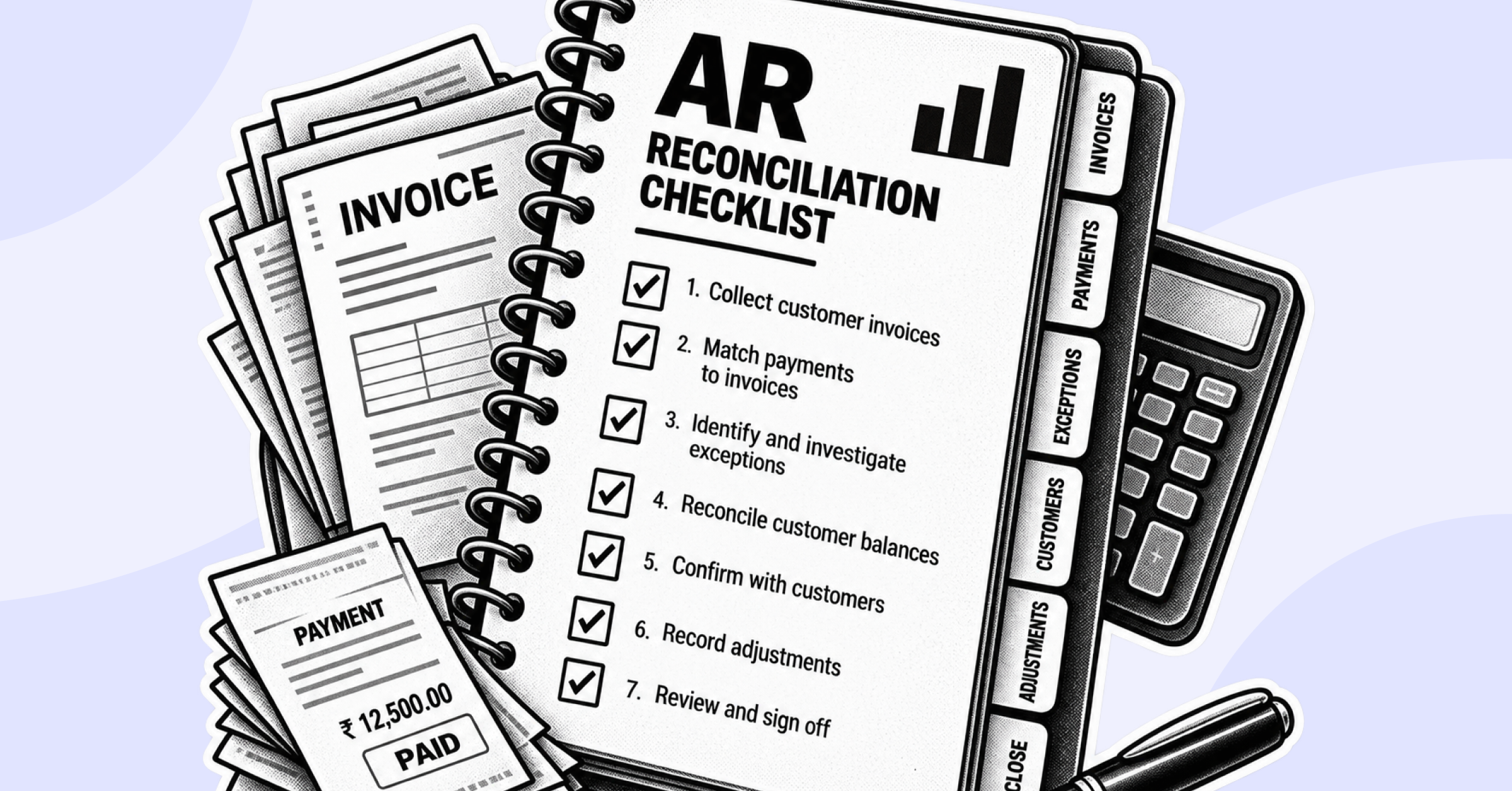
Confusing close management software with reconciliation software. Some tools track close tasks and checklists but do not automate the underlying account reconciliation. Confirm both capabilities exist natively before assuming a "close" tool covers reconciliation depth.
Treating "AI-powered" as meaningful without asking what the AI actually does. Every vendor on this list now claims AI features. Ask specifically whether AI drives auto-matching, flux explanation drafting, or anomaly detection, and ask for a live example.
Choosing based on overall G2 rating without filtering by company size. A 4.8/5 rating built mostly on small-business reviews does not predict enterprise-scale performance. Filter reviews by company size before comparing scores.
Ignoring how close output connects downstream. A financial close automation platform that does not feed clean, audit-ready data into reporting and consolidation just moves the bottleneck one step later.
Underestimating implementation effort for enterprise platforms. BlackLine and Cadency implementations commonly run several months. Budget accordingly rather than comparing list price alone.
Overlooking multi-ERP and multi-entity requirements. If your organization runs more than one ERP, confirm the vendor's integration depth for each system, not just its headline ERP partnership.
Why Bluecopa Is the Right Choice for Unified Financial Close
Most vendors on this list automate one piece of the finance stack, and most still run close on a periodic, month-end cycle. Bluecopa's core differentiator is that it is continuous close software: it runs Order-to-Cash, Procure-to-Pay, and Record-to-Report on one AI-native data layer, reconciling transactions as they happen instead of once a month, so the same engine that closes your books also runs your receivables and payables. HighRadius and BlackLine cannot make this claim; each covers close or O2C, not both natively unified, and neither is built close-to-transaction the way continuous close software is.
- For teams drowning in disconnected systems: Bluecopa's 200+ integrations connect ERPs, banks, and payment platforms into one continuous close workflow instead of a monthly data-stitching exercise.
- For controllers who need audit-ready evidence: SamyxAI's policy-as-code controls capture every approval and adjustment automatically, supporting SOX and audit readiness without a separate compliance layer.
- For finance teams scaling across GCC or shared-services models: Bluecopa's unified data layer supports multi-entity, multi-ERP operations without requiring a separate consolidation tool for basic cross-entity visibility.
- For CFOs who want continuous close, not periodic close: SamyxAI reconciles transactions as they happen, shifting the close from a monthly fire drill to a continuous process.
Bluecopa is built for mid-market to enterprise finance teams, and its SamyxAI platform is purpose-built for teams that need close, AR, and AP working off the same data rather than three disconnected systems.
Bottom Line
Of the financial close tools compared here, the right pick depends entirely on your environment.
- Need the deepest audit-grade reconciliation at enterprise scale? Choose BlackLine.
- Want the fastest onboarding and an Excel-friendly workflow? Choose FloQast.
- Need governed close across a complex multi-ERP environment? Choose Trintech, Cadency for enterprise or Adra for mid-market.
- Want modern AI-native flux analysis without enterprise overhead? Choose Numeric.
- Running close, receivables, and payables on fragmented systems? Choose Bluecopa to unify them on one AI-native platform.
- Need close connected directly to AR and treasury at enterprise scale? Choose HighRadius.
- Need close inside a unified consolidation and planning platform? Choose OneStream.
Frequently Asked Questions
1. What is financial close software?
Financial close software automates Record-to-Report (R2R) reconciliation, journal entries, and close tasks, keeping close audit-ready for SOX and GAAP compliance across ERPs like SAP and NetSuite.
2. How does financial close software reduce close cycle time?
It automates account reconciliation, journal entries, and flux analysis, cutting manual work that typically extends close cycles by days across ERP systems like SAP and NetSuite.
3. How much does financial close software cost?
Most vendors, including BlackLine, Trintech, and OneStream, use custom quote-based pricing scoped to entity count, transaction volume, and modules rather than published list pricing.
4. Is financial close software the same as account reconciliation software?
No. Reconciliation is one component of Record-to-Report (R2R) close software, which also covers journal entries, SOX controls, and GAAP-compliant close task management.
5. Can financial close software work with SAP and NetSuite?
Yes. BlackLine, FloQast, Trintech, and Bluecopa all offer certified integrations with SAP, Oracle NetSuite, Sage Intacct, and Microsoft Dynamics 365 for close automation.
6. Which financial close software has the highest G2 rating?
Bluecopa and Numeric both hold 4.8/5 on G2 as of mid-2026, though both sit on smaller verified review bases than established category leaders like BlackLine, Trintech, and FloQast.
Editorial Note
Last Reviewed: August 2026
Vendor capabilities, pricing, and customer ratings change over time. Confirm current features, pricing, and integrations directly with the vendor before making a decision.